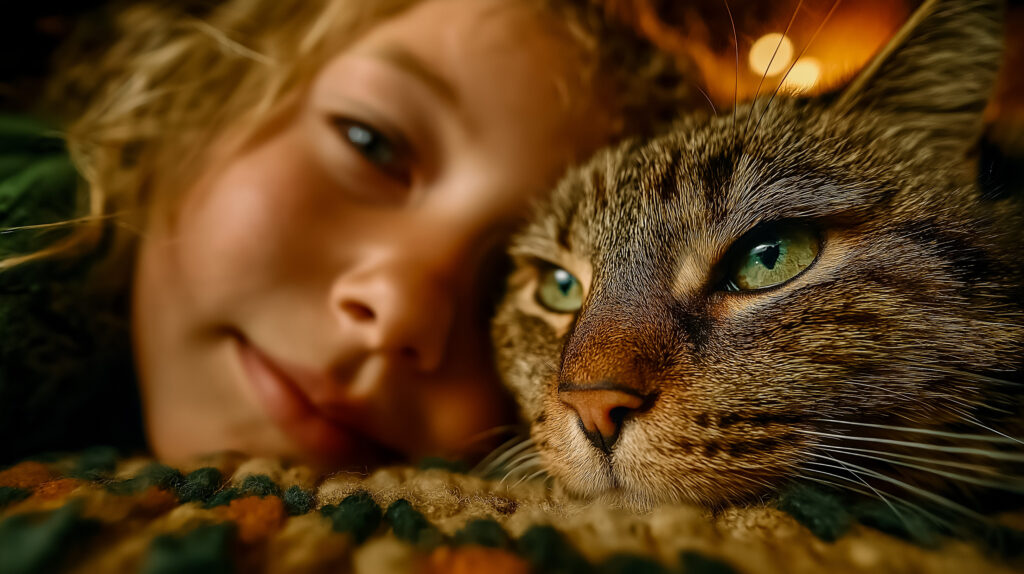
If you’ve ever watched a toddler squeal with delight at the sight of a dog, or seen your child spend an hour mesmerized by a goldfish swimming in circles, you already know there’s something magical about the bond between kids and animals. But what is it about furry, feathered, and scaly creatures that captures children’s hearts so completely?
It Starts Earlier Than You Think
From the moment babies can focus their eyes, they’re drawn to movement and sound. And what moves and makes noise better than animals? It’s no coincidence that “doggy,” “kitty,” and “birdie” are often among the first words our little ones master. Before they can even walk, children are already fascinated by the unpredictable, lively nature of animals.
There’s actually something hardwired in us that responds to animals. It’s why we fill nurseries with stuffed bears and ducks, why we read bedtime stories about rabbits and mice, and why a child will stop mid-tantrum to pet a passing dog. The soft fur, the warm bodies, the gentle purring—it all provides a kind of comfort that even we adults can’t quite explain.
What Makes This Connection So Special?
They Don’t Judge
Think about it from a kid’s perspective. Adults are constantly correcting them, teachers are grading them, and even other kids can be pretty harsh critics. But a dog? A cat? They don’t care if you got a bad grade on your spelling test or if you’re wearing mismatched socks. Animals offer pure, uncomplicated acceptance, and children feel it deeply.
They’re Always There
When your child is upset, anxious, or just having a rough day, a pet doesn’t need to say anything to help. There’s something incredibly comforting about burying your face in a dog’s fur or feeling a cat purr on your lap. Animals are like tiny therapists who never take a day off.
They Teach Without Lecturing
Want to teach your child about responsibility? Get them involved in feeding the family pet. Empathy? Let them notice when the dog is tired or the hamster seems scared. These lessons stick because they’re real, immediate, and come with those big, trusting animal eyes looking right at them.
They’re Genuinely Fun
Let’s not overthink it—animals are hilarious! They chase their tails, make funny noises, do unexpected things, and generally keep kids entertained for hours. There’s no screen time guilt when your child is laughing at the cat batting a toy mouse around the living room.
They’re a Gateway to Nature
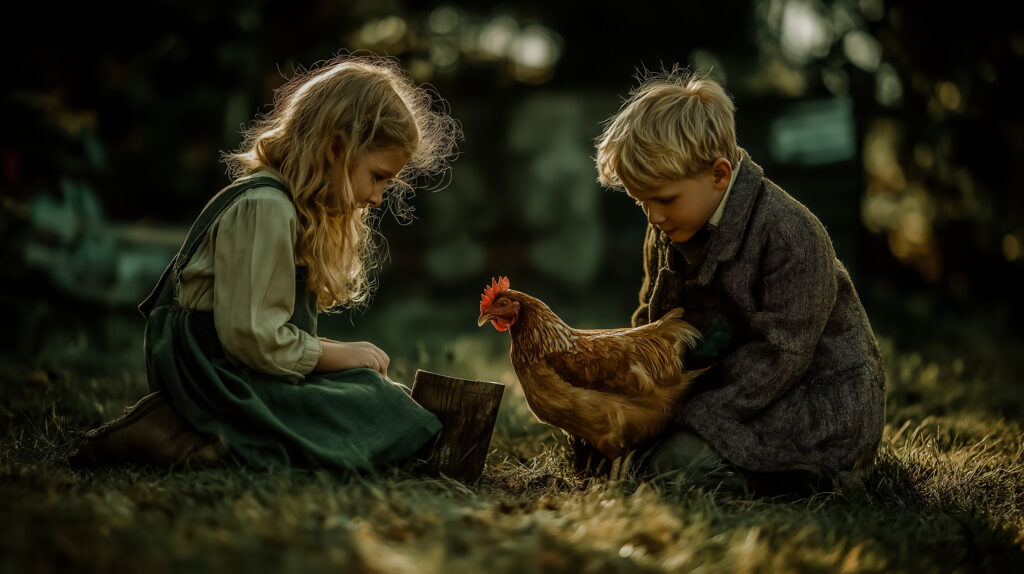
Even a simple backyard chicken can spark a child’s curiosity about the natural world. Suddenly they’re asking questions about what animals eat, where they sleep, how they’re born. This connection often grows into a lifelong appreciation for wildlife and the environment.
The Usual Suspects (And Why Kids Love Them)
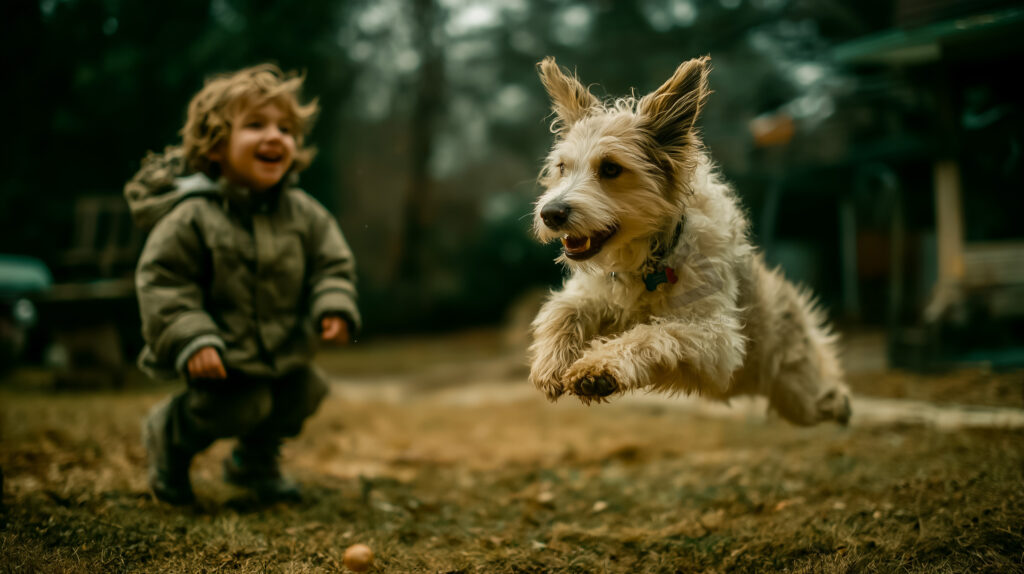
Dogs remain the classic childhood companion for good reason. They play fetch, they protect, they cuddle, and they seem to genuinely love kids right back. Many adults can still remember the name of their childhood dog decades later.
Cats are perfect for families who want something a bit calmer. They’re affectionate on their own terms (which, let’s be honest, teaches kids about consent and boundaries), and they’re endlessly entertaining with their mysterious cat ways.
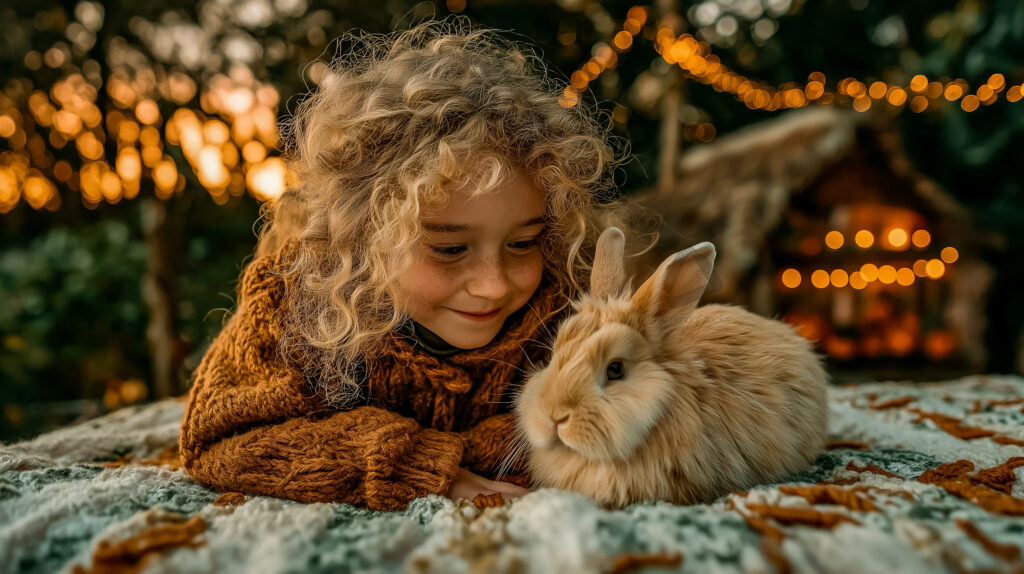
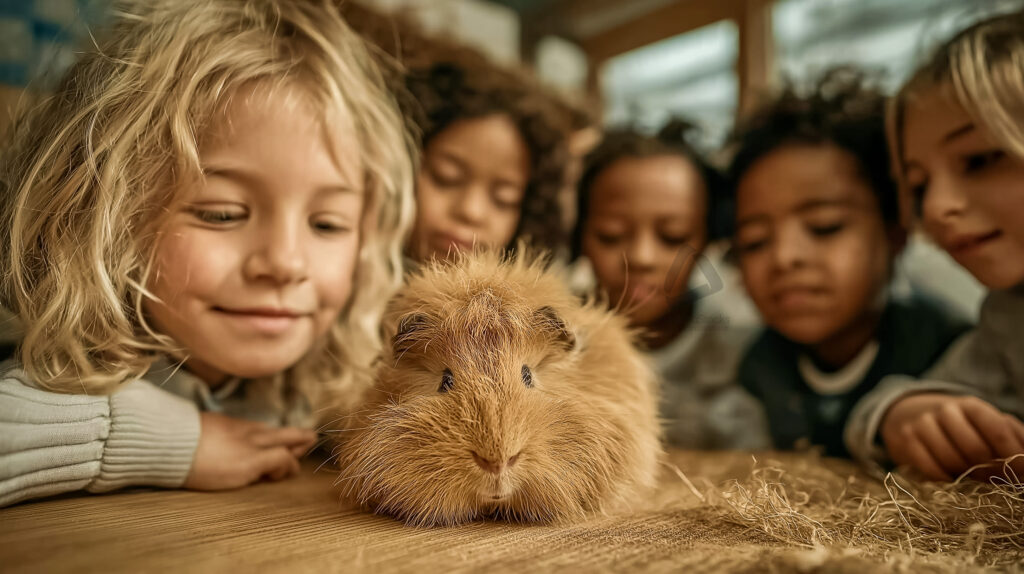
Small furry friends like rabbits, guinea pigs, and hamsters are often ideal first pets. They’re gentle, manageable, and teach kids the basics of animal care without overwhelming them.
Birds bring color, song, and a daily dose of wonder. Watching a parakeet learn to trust your child can be an incredibly rewarding experience for everyone involved.
And then there are the animals kids love from afar—the dolphins, elephants, and giraffes they see at the zoo or on nature shows, creatures that inspire awe and fuel imaginations long after bedtime.
Finding the Right Match
Before you give in to those pleading eyes and bring home a pet, take a moment to think it through. Every family is different, and what works beautifully for your neighbor might be a disaster for you.
Consider your child’s age and energy level. A bouncy puppy and a calm three-year-old might not be the best combination, while an active ten-year-old could be perfect for a dog that needs lots of exercise.
Think about your lifestyle honestly. If you’re barely home and exhausted when you are, that high-maintenance pet probably isn’t going to work out well for anyone, including the animal.
Don’t forget the practical stuff—allergies, space constraints, and yes, the fact that dogs can live fifteen years and require daily walks even when it’s pouring rain at 6 AM.
Making the Most of It
However you decide to bring animals into your child’s life, there are ways to deepen that connection:
Read together. Picture books and stories about animals spark conversations and nurture that natural curiosity.
Get out there. Zoos, aquariums, farms, even nature walks where you might spot a squirrel or a bird—these experiences create lasting memories.
Consider volunteering. Many animal shelters welcome families, and it’s an incredible way for kids to learn hands-on about animal care and compassion.
Supervise, but don’t hover. Let your child learn to read an animal’s body language, to approach gently, to understand that even friendly pets need space sometimes.
The Bottom Line
There’s really nothing quite like the friendship between a child and an animal. It’s pure, it’s joyful, and it teaches lessons that stick with us our whole lives. Whether it’s a beloved family dog, a classroom hamster, or the ducks at the local pond, animals help our children become kinder, more curious, and more connected to the living world around them.
And isn’t that exactly the kind of childhood we want to give them?