
For decades, crude oil was king in America’s energy story. But things are shifting in a big way. Natural gas has quietly taken the top spot as our main domestic energy source, while wind turbines, solar panels, and other renewable technologies are popping up everywhere you look. It’s a transformation that’s reshaping not just how we power our homes and businesses, but our entire relationship with energy. Lets check the US energy sources after crude oil.
The Renewable Energy Revolution Is Real
Here’s something remarkable: the International Energy Agency reports that over 100 countries, including the United States, are importing less fossil fuel than before. Why? Because they’re making their own clean energy. We’re talking about a massive global shift that’s only accelerating.
By 2030, the world is expected to double its renewable power capacity. To put that in perspective, we’re adding enough new clean electricity generation to match what China, the European Union, and Japan produce combined. Solar is the real superstar here, accounting for nearly 80% of this growth, with wind, hydro, bioenergy, and geothermal filling out the roster.
But there’s a catch with renewables that anyone who’s ever cursed a cloudy day understands: the sun doesn’t always shine, and the wind doesn’t always blow. That’s where battery storage comes in. These massive battery systems are becoming game-changers, storing excess power when the sun is blazing or the wind is howling, then releasing it when we need it most. Think of them as giant power banks for the grid.
Why Natural Gas Still Matters
While renewables are having their moment, natural gas isn’t going anywhere soon. In fact, it’s currently our number one domestic energy source, and for good reason. Unlike solar panels that go dark at night or wind turbines that sit idle on calm days, natural gas plants can fire up quickly whenever electricity demand spikes.
It’s also significantly cleaner than coal, which matters when we’re trying to reduce carbon emissions. And here’s the kicker: America is sitting on enormous natural gas reserves. This means we can produce our own energy instead of importing it from overseas, all while we continue building out our renewable infrastructure. It’s like a bridge fuel, helping us transition to a cleaner future without leaving us in the dark.
The Renewable Energy Toolkit
Let’s break down the main players in America’s renewable energy lineup:
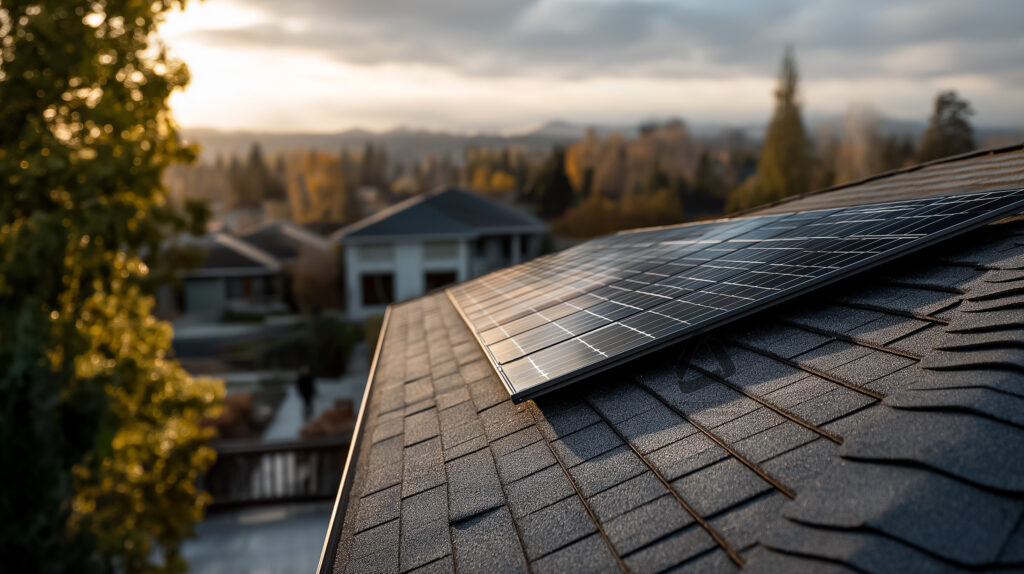
Solar energy is the fastest-growing of the bunch, and it’s easy to see why. The cost of solar panels has plummeted, making them practical for everything from rooftop installations on suburban homes to sprawling solar farms in the desert. Drive through the Southwest, and you’ll see exactly what I mean.
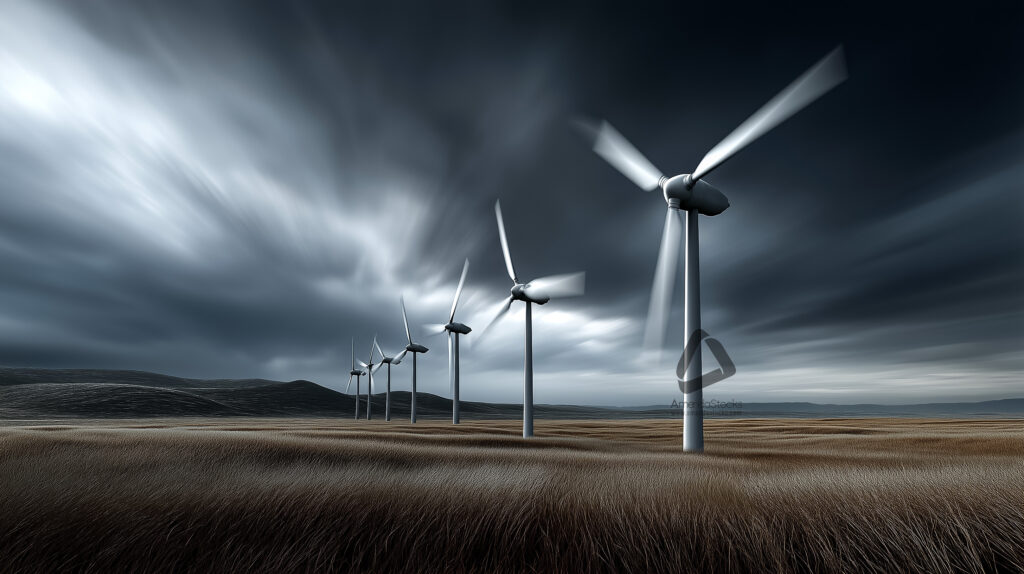
Wind power harnesses those breezy plains in America’s heartland and along our coasts. Those towering turbines you see dotting the landscape are converting wind into electricity, and they’re becoming more efficient every year.
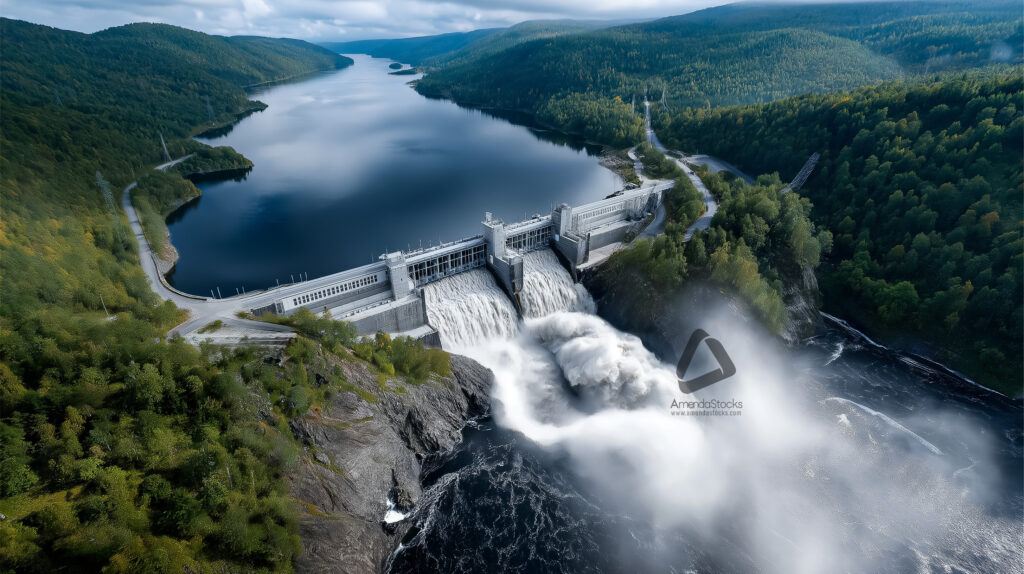
Hydropower is the old reliable of renewables. We’ve been generating electricity from flowing water for over a century, using rivers and dams. While it’s still important, there’s not much room to grow since the best spots are already developed, and building new dams raises environmental concerns.
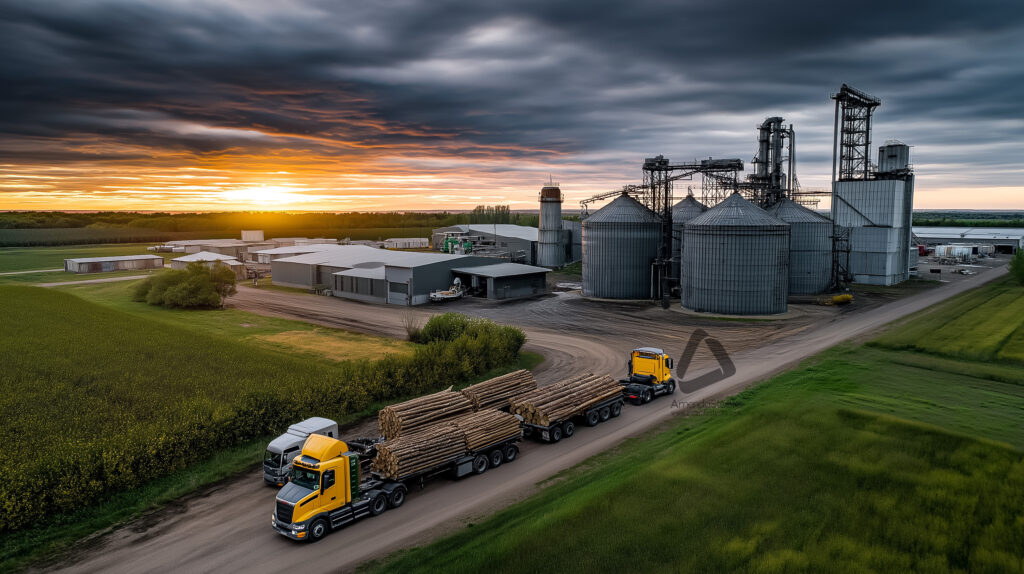
Biomass might be the underdog you haven’t heard much about. It turns organic materials like crop waste, wood, and even garbage into energy. It’s particularly useful because it can generate electricity, provide heating, and even create transportation fuels.
Geothermal energy taps into the Earth’s internal heat for power and heating. It’s incredibly reliable—the Earth’s heat never stops—but you need to be in the right location, typically near volcanic or tectonically active zones.
States like California are leading the charge, investing heavily in energy storage to make sure all these renewable sources work together smoothly. It’s like conducting an orchestra where different instruments come in at different times, but the music keeps playing.

What’s In It For Us?
This energy transformation isn’t just about feeling good about saving the planet (though that’s nice too). There are real, tangible benefits:
We’re cutting way back on importing fossil fuels, which means more money stays in America and we’re less vulnerable to international price shocks and supply disruptions. Remember those gas price spikes? Renewables don’t have that problem.
Energy costs are actually dropping as renewable technology gets cheaper. Solar and wind power are now among the least expensive ways to generate electricity in many places. Plus, once you build a solar farm or wind turbine, the “fuel” is free.
Jobs are booming in the renewable sector. We’re talking about millions of positions in manufacturing, installation, maintenance, and innovation. These aren’t jobs that can be shipped overseas—you can’t install solar panels in Kansas from an office in another country.
And yes, we’re dramatically reducing carbon emissions by replacing coal and oil with renewables and natural gas. It’s making a real difference in fighting climate change.
The Road Ahead Isn’t Smooth
Of course, transforming an entire country’s energy system isn’t without challenges. Our electrical grid was designed for a different era—one where power flowed in one direction from big central plants. Now we need a smarter grid that can handle power coming from millions of solar panels, wind farms, and batteries, flowing in multiple directions.
We also need to secure supply chains for the materials and components that go into renewable technology and batteries. The last thing we want is to replace dependence on foreign oil with dependence on foreign solar panels or battery components.
Money and politics matter too. Renewable energy needs consistent government support through incentives and subsidies, even as fossil fuels still receive more subsidies globally. Clear, stable policies help companies and investors plan for the long term.
Looking toward 2030, renewables are expected to make big inroads beyond just electricity. Electric vehicles are the obvious example—sales are projected to skyrocket in China, Europe, and the US as charging infrastructure improves and more renewable electricity comes online. We’re also looking at renewable energy for heating our homes and powering our industries.
The Bottom Line
America’s energy story is being rewritten. We’ve moved beyond crude oil as our main energy source, with natural gas now leading the way domestically while renewables surge ahead at a pace that would have seemed impossible just a decade ago. It’s a mix that makes sense: natural gas provides reliable power while we rapidly expand solar, wind, hydropower, and biomass capacity.
This isn’t just about energy—it’s about building a more resilient economy, securing our energy independence, and protecting the environment for future generations. The transition won’t happen overnight, and there will be bumps along the way. But the direction is clear, and the momentum is building. America’s energy future is looking brighter, cleaner, and more homegrown than ever before.