
Look up at the sky on a sunny day. That bright ball of fire is doing something remarkable—it’s delivering more energy to Earth in just one hour than all of humanity uses in an entire year. Pretty incredible, right? Now imagine if we could truly harness that power, not just through the solar panels we see on rooftops today, but by recreating the very process that makes the sun shine in the first place.
That’s exactly what visionaries like Bill Gates and pioneering companies like Commonwealth Fusion Systems are working toward. And honestly? It’s one of the most exciting frontiers in science today.

Solar Energy: The Basics We Already Know
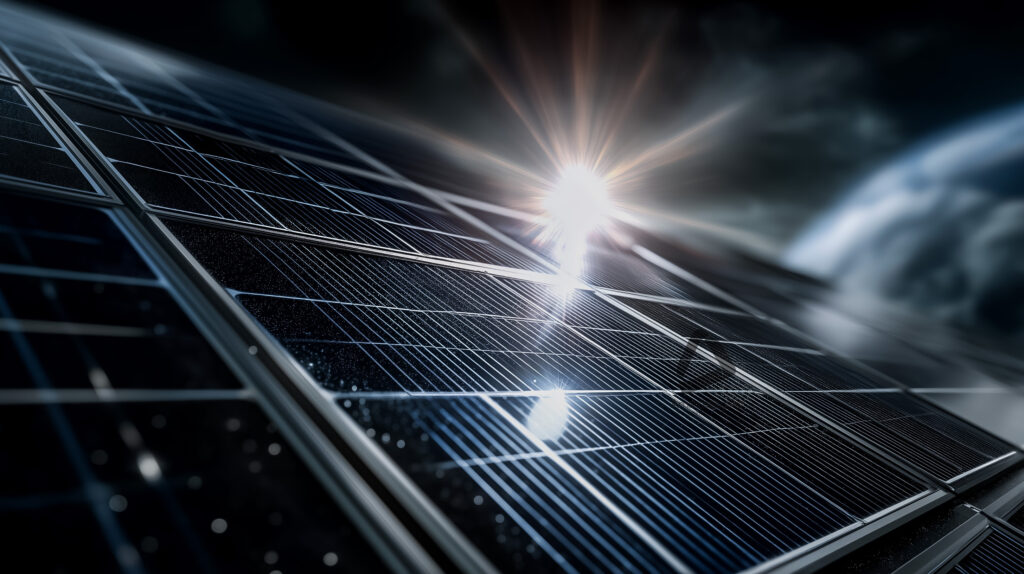
Most of us are familiar with solar energy by now. You’ve probably seen those sleek panels on your neighbor’s roof or sprawling across fields as you drive down the highway. These photovoltaic panels work by using special semiconductor materials that convert sunlight directly into electricity. It’s elegant, simple, and increasingly affordable.
There’s also solar thermal technology, which takes a different approach—it uses mirrors to concentrate sunlight, creating intense heat that produces steam to spin turbines. Either way, we’re capturing the sun’s energy and turning it into the electricity that powers our lives.
The cost of solar has dropped so dramatically over the past decade that it’s now competitive with—or even cheaper than—traditional fossil fuels in many places. That’s a genuine game-changer for both our wallets and our planet.
Fusion: Bringing the Sun to Earth
Here’s where things get really fascinating. While solar panels capture the sun’s rays, fusion energy aims to recreate what’s actually happening inside the sun.
Deep in the sun’s core, hydrogen atoms are squeezed together under mind-boggling pressure and heat—we’re talking 15 million degrees Celsius. When these atoms fuse together to form helium, they release enormous amounts of energy. That’s what makes the sun shine, and it’s been doing this for billions of years.
Scientists have been trying to replicate this process here on Earth for decades. The challenge? You need to create those same extreme conditions—insane heat and pressure—while also producing more energy than you put in. It’s a bit like trying to start a fire that needs a blowtorch to ignite but then burns hot enough to power an entire city.
Commonwealth Fusion Systems, with backing from Bill Gates and others, is building what they believe will be the world’s first commercially viable fusion reactor. They’re using incredibly powerful magnets made from advanced superconductors to squeeze hydrogen atoms together until they fuse. Their ARC reactor is already halfway through construction, and if all goes according to plan, it could be demonstrating net energy production within the next few years.

Why This Matters So Much
Let me paint you a picture of what successful fusion energy would mean.
First, it’s clean. No carbon emissions. No toxic waste that lasts for thousands of years. The “exhaust” from a fusion reaction is basically just helium—the same harmless gas we put in birthday balloons.
Second, the fuel is everywhere. Fusion uses different forms of hydrogen, which can be extracted from ordinary seawater. We’re not going to run out. Ever.
Third, it’s safe. Unlike nuclear fission (the technology in today’s nuclear power plants), there’s no possibility of a meltdown or runaway reaction. If something goes wrong, the reaction just stops. No drama, no danger.
And perhaps most importantly, fusion could provide stable, on-demand power. Unlike wind or standard solar, which depend on weather conditions, fusion plants would run day and night, rain or shine, delivering electricity whenever we need it.
We’re Getting Close
In 2022, scientists at Lawrence Livermore National Laboratory achieved something historic: they got more energy out of a fusion reaction than they put in. It was a moment the fusion community had been working toward for decades. Sure, it was only for a fraction of a second, and the conditions were specific, but they proved it could be done.
That breakthrough has energized the entire field. Commonwealth Fusion Systems isn’t alone—there are teams around the world experimenting with different designs, from donut-shaped tokamaks to spiral stellarators, each trying to find the most efficient way to make fusion work at commercial scale.
The goal? To have commercial fusion plants feeding electricity into the grid by the early 2030s. That’s not some distant sci-fi future—it’s potentially just around the corner.
The Bigger Picture
Here’s why this matters beyond just cool science: energy is the foundation of everything. It powers our homes, grows our food, runs our hospitals, enables our communication. Right now, most of the world still relies on fossil fuels, which are cooking our planet and polluting our air.
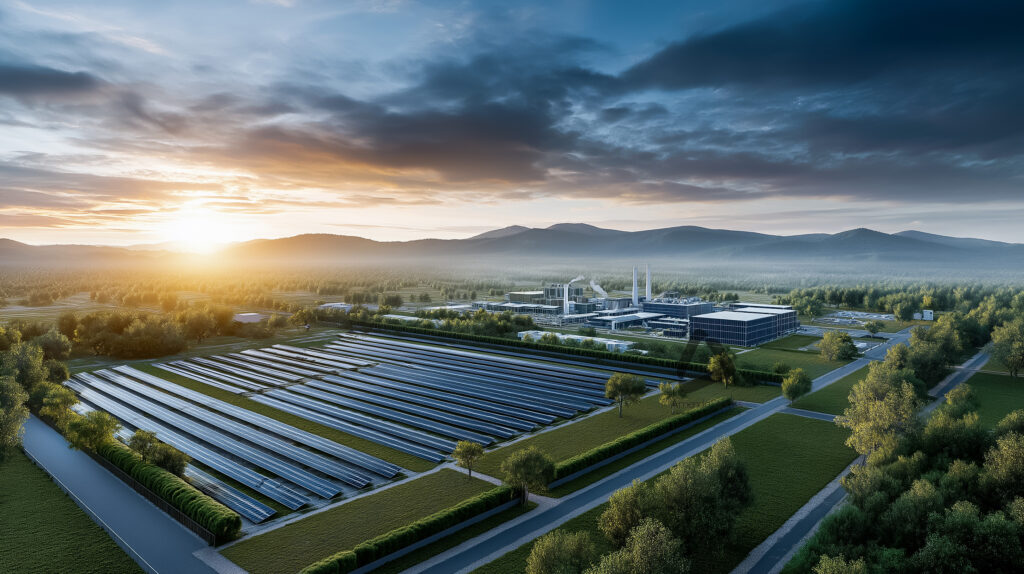
Solar and fusion offer a way out. They promise clean, abundant, affordable energy that could reach every corner of the globe—including remote regions that have never had reliable electricity. Imagine what that could do for education, healthcare, and economic opportunity in underserved communities.
As Bill Gates put it, once we figure out how to build a fusion power plant, we unlock unlimited energy, anywhere and forever. It’s the kind of breakthrough that could be as transformative as the steam engine was during the Industrial Revolution.

The Road Ahead
I won’t sugarcoat it—there are still huge challenges to overcome. For fusion, it’s all about sustaining those extreme conditions efficiently. Engineers are working on better magnets, more durable materials, and smarter reactor designs. Every experiment brings new insights.
For solar, the main issues are storage and reliability. Batteries are getting better and cheaper, and smart grids are helping us use solar power more effectively, but there’s still work to do.
The good news? Investment is pouring in, both from governments and private companies. The world’s brightest minds are focused on these problems. And unlike some scientific endeavors, the physics here is proven—we know it’s possible because the sun does it every second of every day.
A Future Worth Fighting For
Standing at this moment in history, we’re witnessing the birth of technologies that could fundamentally change human civilization. No more dirty smokestacks. No more choosing between economic growth and environmental protection. No more energy poverty.
Just clean, limitless power drawn from the same process that lights up our star.
It’s a future worth building, worth investing in, and worth getting excited about. Because whether it’s the solar panel on your roof or a fusion reactor humming in your city, we’re all part of this journey toward harnessing the power of the sun.
And honestly? The future has never looked brighter.