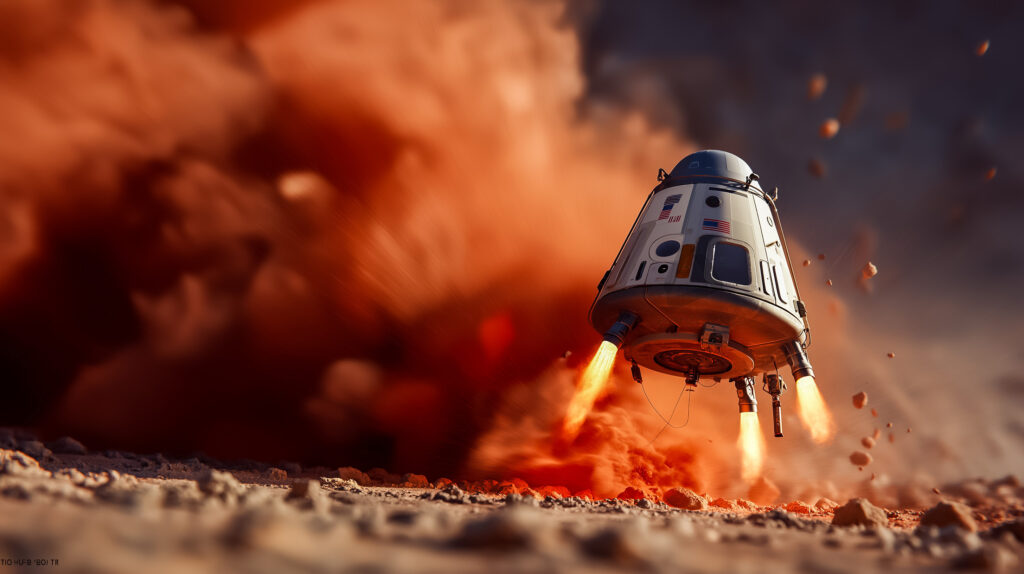
The idea of living on Mars used to be pure science fiction. But now? It’s becoming real. NASA and SpaceX are seriously planning to put boots on Martian soil in the 2030s and 40s. We’re not just talking about a quick visit either—we’re talking about Mars colonization up there by the end of this century.
Why Mars? Why Now?
Here’s the thing: space exploration isn’t just about curiosity anymore. It’s about survival. Movies like Interstellar captured this perfectly—showing us a future where humanity needs a backup plan. And Mars? It’s our best shot. It’s relatively close, it has ice we can use for water, and it’s got everything we need to make this work. We just have to figure out how.
When Could This Actually Happen?
The timeline looks something like this: first crewed missions land in the 2030s. These won’t be long stays—think of them as test runs to see if our technology actually works when you’re 140 million miles from home. Can we land safely? produce breathable air? Can people actually live there for a few weeks?
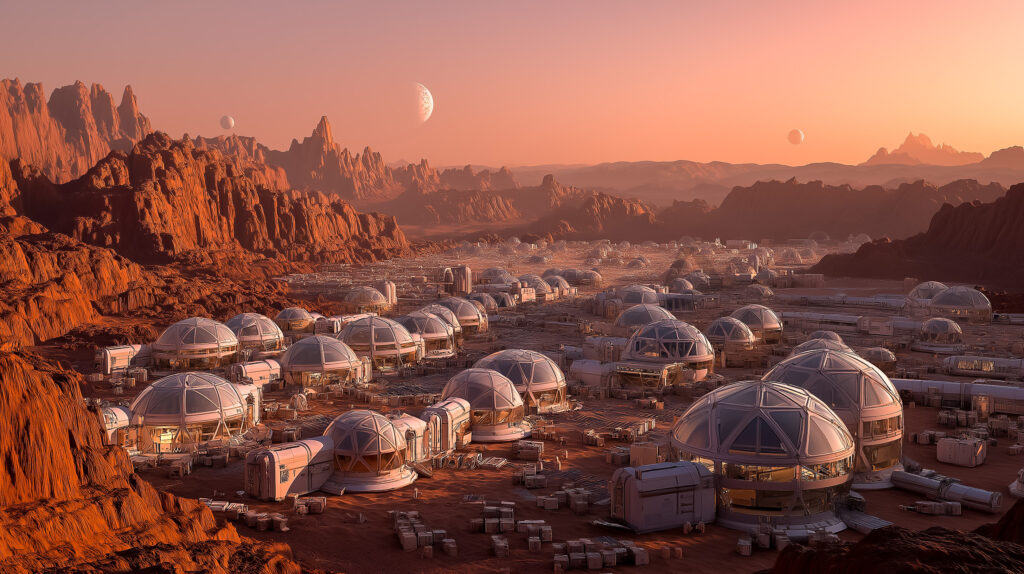
By the 2040s, we’re looking at building proper outposts. These would be more permanent structures where teams could stay for months, maybe even a year or two. They’d start setting up the infrastructure needed for larger settlements—power systems, water extraction, food production.
Fast forward to the late 2100s, and we might have legitimate Martian towns. Picture interconnected underground tunnels, greenhouses growing food, and communities of people who were born on Mars. It sounds wild, but that’s the plan.

The Hard Truth About Living There
Let’s be real—Mars is trying to kill you from the moment you arrive.
The air isn’t air. Mars has barely any atmosphere, and what little exists is mostly carbon dioxide. You’d need to live in sealed habitats with systems constantly recycling your oxygen. Going outside means suiting up every single time.
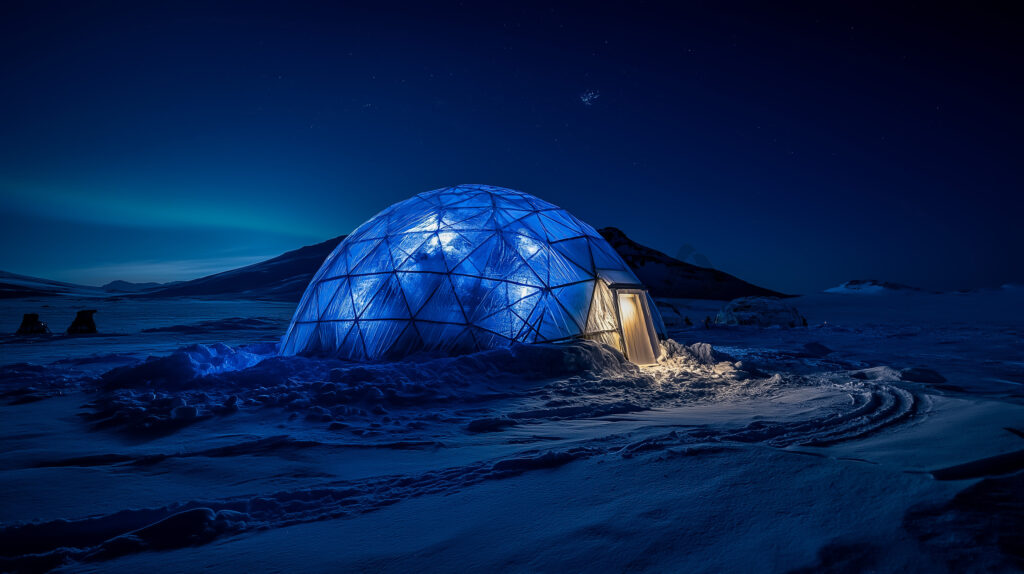
The radiation is brutal. Earth has a magnetic field that shields us from cosmic rays and solar radiation. Mars doesn’t. Living on the surface would be like standing next to a slow-motion X-ray machine. That’s why early habitats might be built underground or covered with Martian soil. NASA has even proposed building domes out of water ice—it blocks radiation and you can drink it if needed.
It’s freezing cold. The average temperature is around -60°C (-80°F). The poles get even colder. Your habitat would need serious insulation and heating systems running constantly.
What It Does to Your Body and Mind
The journey to Mars alone is tough. You’d spend six to nine months in zero gravity, which weakens your muscles and bones. Once you’re on Mars, the gravity is only about 38% of Earth’s, which is better than nothing but still means you’d need to exercise constantly just to stay healthy.
The mental challenges might be even harder. You’re stuck with the same small group of people, millions of miles from home. If you send a message to Earth, it takes up to 24 minutes to get there—and another 24 minutes to get a reply back. You can’t just call home when you’re feeling homesick. The isolation would be intense, and tensions could easily flare up in such confined quarters. That’s why mental health support, creative activities, and maybe even AI companions would be essential.
Building a Place to Live
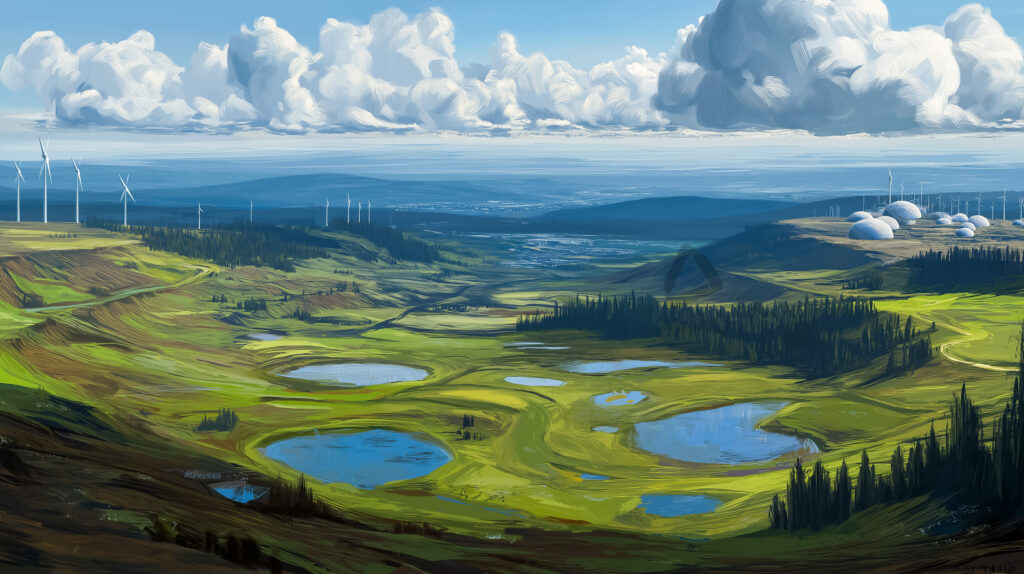
The technology for Mars habitats is actually pretty cool. Some designs use 3D printers to build structures out of Martian soil. Others propose inflatable modules that you pack small for the trip, then inflate once you land. NASA’s “ice home” concept would literally build your house out of water ice—protecting you from radiation while giving you a water reserve.
For energy, early colonies would probably rely on solar panels and nuclear reactors. As technology advances, we might tap into geothermal energy if Mars still has any heat deep underground.
Food would come from hydroponic farms—growing plants in nutrient-rich water without soil. Eventually, you’d want to grow things in Martian soil itself, but you’d need to treat it first since it’s full of toxic compounds.
Creating a Real Community
Here’s what most people don’t think about: you can’t just fill a Mars colony with scientists and engineers. You need cooks, teachers, farmers, mechanics, doctors, and people who know how to fix things when they break. You need people who can keep everyone sane and fed and healthy.
Building a community on Mars would be like those Antarctic research stations, but turned up to eleven. Everyone would need to get along because there’s nowhere else to go. You’d celebrate birthdays, holidays, probably invent new Martian holidays. You’d develop your own culture, your own traditions, your own inside jokes that only make sense if you live on the red planet.
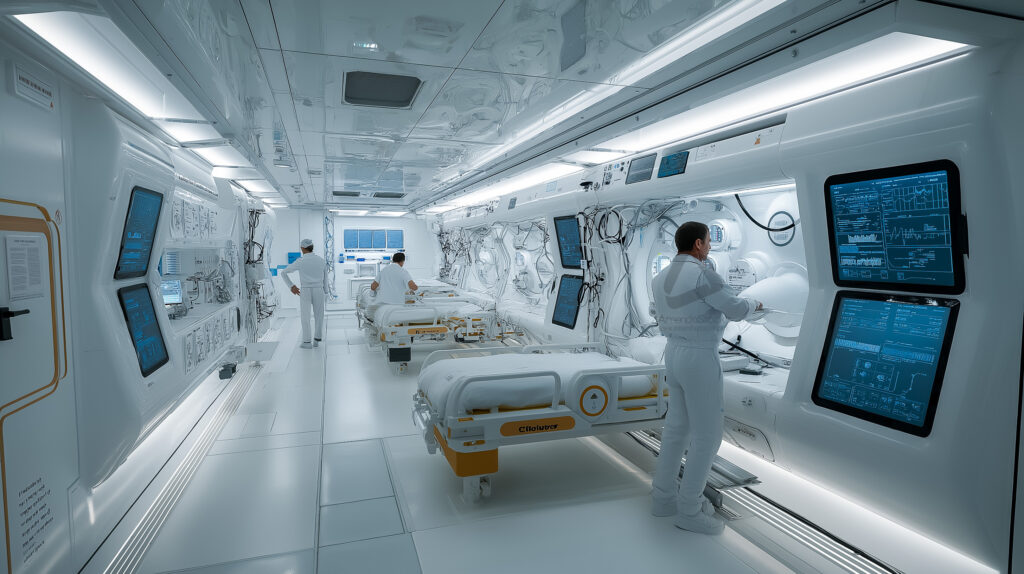
Schools would teach kids regular subjects plus things like “how to repair a life support system” and “what to do if the habitat loses pressure.” Healthcare would be a mix of on-site doctors and video calls with specialists on Earth, though that communication delay means you’d better be prepared for emergencies on your own.
Eventually, Mars would need its own government. Who makes the rules? Who decides how to use limited resources? These aren’t easy questions, and the answers might look nothing like Earth’s political systems.

The Long Game: Centuries From Now
If we’re really thinking long-term, we might try terraforming—gradually making Mars more Earth-like. That would take centuries, maybe millennia. We’d start with introducing microbes to enrich the soil, maybe create pockets of breathable atmosphere in enclosed valleys. It’s a multi-generational project.
People born on Mars might look different from Earth humans. Lower gravity could mean taller, leaner bodies. Constant radiation exposure might require genetic modifications or medical interventions. Over generations, Martians might become physically distinct from Earthlings.
Mars wouldn’t just be about survival either. It would be an economic hub—mining rare minerals, manufacturing in low gravity, supporting mining operations in the asteroid belt. It would develop its own culture, its own sports (imagine basketball in low gravity!), its own art and music scene.
And here’s where it gets interesting politically: at some point, Martians are going to want independence from Earth. They’ll have been born there, built their own society, dealt with problems Earth can’t understand. Conflict seems inevitable. But maybe that’s okay—maybe that’s just the next chapter in human civilization.
So… Are We Really Doing This?
The short answer is yes. The technology exists or is being developed right now. The missions are being planned. The first people who will live on Mars are probably already alive today, maybe reading this article.
Is it dangerous? Absolutely. Is it expensive? Ridiculously so. Will some people die in the process? Almost certainly. But humans have always been explorers, always pushed into new territories despite the risks.
Mars represents more than just a new place to live. It’s about proving we can survive as a species beyond one planet. Innovation, cooperation, and human resilience. It’s about looking up at the night sky and knowing that some of those dots of light have people living on them.
The 21st century might end with humans living on two worlds instead of one. And honestly? That’s incredible.