
There’s something special about a home that truly welcomes everyone through its doors. Not just physically, but in a way that makes people feel like they genuinely belong there. For people with disabilities, finding that kind of space can be life-changing.

The Little Things That Make a Big Difference
Think about your morning routine. Making coffee, getting dressed, maybe doing a load of laundry before heading out. These small, everyday moments are what make up our lives. But for many people with disabilities, these simple tasks can become frustrating obstacles when homes aren’t designed with them in mind.
That’s where thoughtful design comes in. We’re talking about things like countertops you can adjust to different heights, doorways wide enough for wheelchairs to pass through comfortably, and floors that won’t get slippery when wet. Motion-sensor lights that turn on when you enter a room. Door handles you can push down instead of twist. Even voice-controlled appliances that respond to commands.
These aren’t just nice extras—they’re the difference between struggling through basic tasks and moving through your day with confidence. There’s real dignity in being able to cook your own breakfast or clean your own space without needing to ask for help every time.

It’s Really About People, Not Just Buildings
But here’s the thing: all the ramps and grab bars in the world won’t make a house feel like home if there’s no warmth to it. What really matters is the life that happens inside those walls.
Picture a kitchen where friends gather around while someone cooks dinner, everyone chatting and laughing. A living room where family game night turns competitive. A backyard where neighbors drop by for impromptu barbecues. These are the moments that matter.
Some housing projects are getting this right. Take the Chorus and Harmony Apartments up in Surrey, British Columbia. They’ve intentionally mixed residents with and without disabilities in the same building, and something interesting happens when you do that—people just start treating each other like, well, people. They become neighbors, friends, even chosen family.
The physical layout helps too. When kitchens flow into living areas without walls blocking the view, it’s easier to be part of the conversation while you’re cooking. When there’s an accessible patio or garden where people can hang out, those casual interactions happen naturally. That’s how communities form.

The Joy of Small Moments
One thing that often gets overlooked in discussions about accessible housing is just how much joy matters. Yes, safety is important. Independence is crucial. But happiness counts too.
Spending time with a pet, for instance. Dogs don’t care if you use a wheelchair or have a prosthetic limb—they just want belly rubs and playtime. For many people with disabilities, pets provide incredible emotional support and companionship. Having a home where you can comfortably care for an animal and enjoy time together, whether that’s playing fetch in the backyard or just relaxing on the couch, adds so much richness to life.
Or consider something as simple as sitting outside on a nice evening. Reading a book in the garden. Tending to some plants. Grilling dinner with friends. These ordinary pleasures should be available to everyone, and thoughtful outdoor design makes that possible—smooth pathways instead of steps, comfortable seating at the right height, maybe some shade for hot days.
What Actually Makes Homes Work for Everyone
So what does this look like in practice? Here are some features that really make a difference:
Getting in and moving around should be straightforward. That means entrances without steps, hallways wide enough that two people can pass comfortably, and either elevators or single-level layouts. Pretty basic stuff, but you’d be surprised how many homes still don’t get this right.
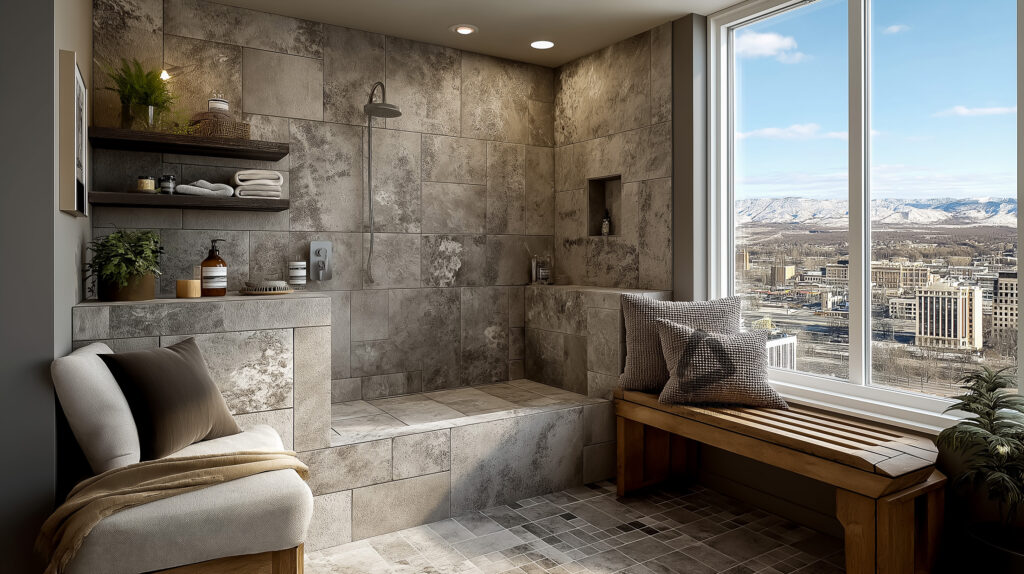
Bathrooms are huge. Grab bars near toilets and in showers aren’t just safety features—they’re independence. Roll-in showers mean someone doesn’t need assistance bathing. Sinks at accessible heights matter more than most people realize.
Smart home technology has been a game-changer. Being able to control lights, temperature, locks, and appliances by voice or phone app means people can manage their environment without needing to physically reach every switch and dial.
Flexible spaces that can adapt over time are smart design. A room that works as an office now might need to become something else later. Building in that flexibility from the start makes sense.
Sensory considerations matter too. Some people need quieter spaces or specific lighting. Good acoustic design and adjustable lighting aren’t just about comfort—they’re about making a space livable for people with different sensory needs.
The key is that none of this should look “medical” or institutional. The best accessible design just looks like good design, period.
Why This Matters Beyond the Individual
When someone can get themselves ready for work in the morning, cook their own meals, and invite friends over without needing constant assistance, it changes everything. Not just for them, but for everyone around them too.
Families supporting members with disabilities often experience real stress trying to make non-accessible homes work. When a home is properly designed, daily life gets so much easier for everyone. There are fewer accidents, less frustration, and more opportunities for everyone to pitch in and contribute equally.
And here’s something interesting: when neighborhoods integrate accessible housing instead of segregating it into “special” developments, everyone benefits. Kids grow up seeing disability as a normal part of life. Neighbors learn from each other. Communities become more understanding and cohesive. We stop treating accessibility as this separate, special thing and just see it as part of good design.

Seeing Ourselves Reflected
Representation matters, even in stock photos. It’s encouraging to see more images showing people with disabilities doing everyday things—cooking, working, playing with pets, enjoying time with family. Not inspiration porn or medical scenarios, just normal life.
These images are important because they remind us that people with disabilities aren’t a separate category—they’re just people living their lives, wanting the same things everyone wants: independence, connection, joy, and a place that feels like home.
Where We’re Heading
The good news is that awareness is growing. Organizations like UNITI in Canada and the Inter-American Development Bank are pushing for inclusive housing policies. More architects and developers are learning universal design principles. Some places are even starting to make certain accessibility features standard in new construction.
This isn’t about charity or special accommodation—it’s about recognizing that good design works for everyone. As populations age, more and more people will benefit from accessible features. A home that works for someone using a wheelchair also works great for someone recovering from surgery, parents with strollers, or anyone moving furniture.

Coming Full Circle
At the end of the day, a home is more than four walls and a roof. It’s where you make coffee in your pajamas on Saturday mornings. Where your dog greets you after work. Where friends squeeze around the dinner table. Where you can just be yourself without constantly navigating barriers.
Everyone deserves that. Not because of regulations or requirements, but because it’s the right thing to do—and because inclusive spaces make life better for all of us.
The future of housing isn’t about building separate accessible units tucked away somewhere. It’s about designing homes where anyone can show up, settle in, and belong. Where the question isn’t “can I navigate this space?” but “what color should I paint the living room?”
That’s what home should feel like. For everyone.



Pingback: indoor play areas for child development