

Hurricane Helene emerged as one of the most catastrophic natural disasters to strike the United States in recent years, leaving an unprecedented trail of destruction across the Southeast. When this powerful Category 4 hurricane made landfall in Florida’s Big Bend region on September 26, 2024, it rewrote the history books and became a stark reminder of nature’s devastating power.
Record-Breaking Storm Intensity
Hurricane Helene distinguished itself as the strongest hurricane on record to impact Florida’s Big Bend region since meteorological records began in 1900. With maximum sustained winds reaching 140 mph, this Category 4 monster storm demonstrated the raw force that only the most powerful hurricanes possess. The Big Bend region, typically less prone to direct hurricane strikes compared to other parts of Florida, found itself facing an unprecedented weather emergency.
The storm’s intensity and impact zone made it particularly dangerous, as communities in the Big Bend area had limited experience dealing with such extreme weather conditions. This lack of recent major hurricane experience in the region contributed to the extensive damage and challenging recovery efforts that followed.

Devastating Multi-State Impact
While Hurricane Helene initially struck Florida, its destructive path extended far beyond state boundaries. The storm’s massive size and powerful winds affected a vast geographical area, bringing catastrophic conditions to six states: Florida, Georgia, South Carolina, North Carolina, Virginia, and Tennessee.
Each affected state experienced unique challenges:
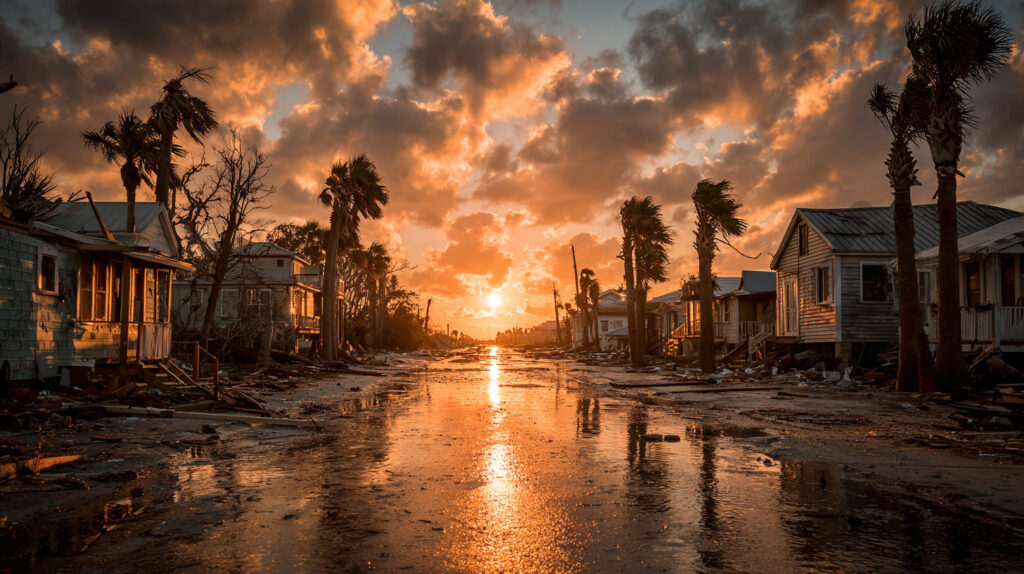
Florida bore the initial brunt of Helene’s fury, with coastal areas experiencing devastating storm surge, catastrophic winds, and widespread power outages. The Big Bend region saw complete devastation of coastal communities.
Georgia faced significant wind damage and flooding as the storm moved inland, with millions losing power and extensive tree damage blocking roads and crushing homes.
South Carolina and North Carolina experienced severe flooding, particularly in mountainous regions where heavy rainfall combined with steep terrain created dangerous flash flood conditions.
Virginia and Tennessee dealt with the storm’s remnants, which still packed enough power to cause significant flooding, power outages, and infrastructure damage.

A Tragic Human Toll
The human cost of Hurricane Helene cannot be understated. With at least 248 confirmed fatalities, Helene ranks as the deadliest Atlantic hurricane since Hurricane Maria devastated Puerto Rico in 2017. More significantly, it stands as the deadliest hurricane to strike the mainland United States since the catastrophic Hurricane Katrina in 2005.
These statistics represent more than numbers – they reflect families torn apart, communities destroyed, and lives forever changed. The high death toll underscores the storm’s exceptional power and the challenges faced by emergency responders and evacuation efforts across such a wide geographical area.

Historical Context and Significance
Hurricane Helene’s place in meteorological history extends beyond its immediate destruction. The storm joins the ranks of other notorious hurricanes that have shaped American disaster response and preparedness policies. Its comparison to Hurricane Katrina is particularly significant, as Katrina fundamentally changed how the United States approaches hurricane preparedness and response.
The fact that Helene surpassed all previous storms in the Big Bend region since 1900 highlights the importance of historical weather data and the evolving nature of hurricane threats. Climate scientists continue studying whether changing climate patterns contribute to the intensity of storms like Helene.
Emergency Response and Recovery Challenges
The widespread impact across six states presented unique challenges for emergency responders and relief organizations. Coordinating rescue and recovery efforts across such a vast area required unprecedented cooperation between state and federal agencies. The storm’s intensity left many areas completely cut off from communication and transportation networks, complicating initial assessment and response efforts.
Power outages affected millions of residents across the affected states, with some areas remaining without electricity for weeks following the storm. The extensive flooding in mountainous regions of the Carolinas created particularly challenging conditions for rescue teams attempting to reach isolated communities.

Lessons Learned and Future Preparedness
Hurricane Helene serves as a crucial reminder of the importance of comprehensive hurricane preparedness, especially in regions that may not frequently experience direct strikes from major hurricanes. The Big Bend region’s experience with this record-breaking storm will likely influence future evacuation planning and infrastructure development.
The storm also highlighted the need for improved communication systems and emergency response coordination across state boundaries, as modern hurricanes increasingly affect multiple states simultaneously.

Conclusion
Hurricane Helene’s devastating impact across the Southeast United States marks it as one of the most significant natural disasters in recent American history. With its record-breaking intensity, unprecedented geographical reach, and tragic human toll, Helene serves as both a testament to nature’s power and a catalyst for improved disaster preparedness.
As affected communities continue their long journey toward recovery, Hurricane Helene’s legacy will undoubtedly influence hurricane preparedness, response protocols, and infrastructure planning for years to come. The storm stands as a somber reminder that in our changing climate, we must remain vigilant and prepared for increasingly powerful natural disasters.
Hurricane Helene recovery efforts continue across the affected states, with federal and state agencies working alongside volunteer organizations to provide assistance to impacted communities.