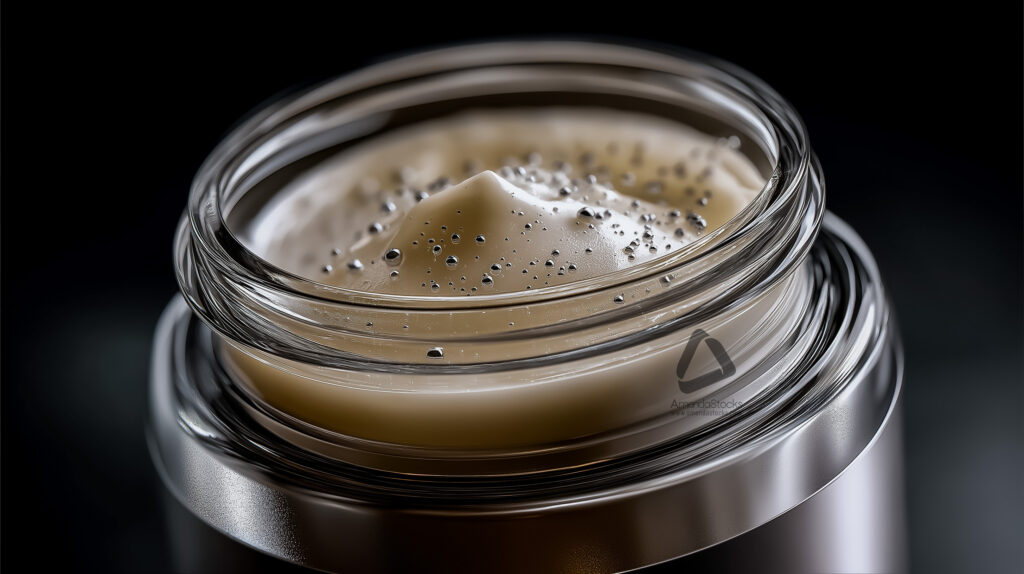
Let’s talk about something that might be sitting on your bathroom shelf right now—that face cream you picked up at a great price, or maybe ordered online because it promised glowing skin in just days. Here’s the uncomfortable truth: if it’s not from a regulated source, it could be doing more harm than good.
What’s Really in That Jar?
You’d think a face cream would just contain moisturizers, maybe some vitamins, perhaps a pleasant fragrance. But unregulated products—especially those sold through informal markets or sketchy online sellers—often contain something far more sinister: heavy metals.
I’m talking about lead, mercury, cadmium, and arsenic. Yes, the same arsenic from detective novels and the mercury from old thermometers. These aren’t ingredients anyone would knowingly put on their face, yet they show up in cosmetics all the time. Sometimes they sneak in through contaminated raw materials or sloppy manufacturing. Other times, they’re added on purpose—mercury, for instance, is used in some whitening creams because it actually does lighten skin. The catch? It’s slowly poisoning you.
Why Should You Be Worried?
Here’s the thing about heavy metals: your body doesn’t know what to do with them. Unlike water or even excess vitamins that your body can flush out, these metals stick around. They accumulate in your organs over time, building up with every application until they reach dangerous levels.
Lead messes with your brain and nervous system. It’s particularly scary for kids, causing developmental delays and learning difficulties, but adults aren’t safe either—it can damage your kidneys, liver, and reproductive system.
Mercury goes straight for your kidneys and nervous system. Some people develop angry rashes or allergic reactions right away, but the real damage happens silently over months and years of use.
Cadmium is a nightmare for your bones and kidneys. It’s also classified as a probable carcinogen, meaning it could increase your cancer risk with long-term exposure.
Arsenic can cause distinctive skin lesions, damage multiple organs, and yes, significantly raise your cancer risk.
The scariest part? You won’t notice anything wrong at first. These toxins work slowly, and by the time symptoms appear, the damage might already be done.

The Research Backs This Up
Scientists have tested face creams from markets with weak regulatory oversight, and the results are alarming. Study after study finds products—particularly those marketed as “brightening,” “whitening,” or “age-defying”—with metal levels that would never pass inspection in countries with strict safety standards. We’re not talking about trace amounts here; some products contain levels hundreds of times higher than what’s considered safe.
Real people have suffered real consequences. There are documented cases of mercury poisoning from face creams, kidney damage from cadmium exposure, and neurological problems from lead-contaminated cosmetics.

Why These Products Exist
You might wonder how this is even legal. Well, in many places, it isn’t—technically. But here’s the problem: not every country has strong cosmetic regulations, and even in countries that do, enforcement can be spotty. Online marketplaces and informal sellers create a perfect storm where dangerous products slip through the cracks.
Legitimate international bodies like the World Health Organization, the FDA, and European regulators have set strict limits—usually between 1-20 parts per million depending on the metal. But those rules only matter if someone’s checking. When you buy from an unverified source, you’re essentially taking the manufacturer’s word that their product is safe. And if that manufacturer is trying to maximize profit by using cheap, contaminated ingredients? You’re out of luck.

How to Protect Yourself
I know this all sounds scary, but the good news is you’re not helpless. Here’s how to shop smarter:
Look for legitimate certifications. If a product has FDA approval, CE marking, or similar certifications from recognized agencies, that’s a good sign. These aren’t perfect systems, but they’re infinitely better than nothing.
Read the ingredient list. Yes, it’s boring. Yes, half the words will sound like alien languages. But if a product won’t even tell you what’s in it, that’s a massive red flag.
Be skeptical of miracle claims. “Whiten your skin in 7 days!” “Erase 10 years instantly!” If it sounds too good to be true, it probably is. Rapid results often come from harsh, potentially dangerous ingredients.
Buy from reputable retailers. Stick to known stores and established brands. That random online seller offering premium creams for bargain prices? Yeah, probably skip that.
Do your homework. Look up reviews from actual users, check for recalls, and see what dermatologists say about specific products or brands.

It’s Not Just About You
Here’s something most people don’t think about: when you wash your face, where does that cream go? Down the drain, into the water system, and eventually into rivers, lakes, and soil. Heavy metals don’t break down—they persist in the environment, contaminating water sources and working their way up the food chain. By choosing regulated, safe products, you’re not just protecting yourself; you’re making a choice for the environment too.

The Bottom Line
Your face cream shouldn’t require a risk assessment. It should just make your skin feel nice and maybe help with wrinkles or dryness. But the reality is that unregulated cosmetics are a genuine health hazard, containing levels of toxic metals that no one should be exposed to daily.
The solution isn’t complicated: buy smart, ask questions, and don’t fall for deals that seem impossibly good. Your skin—and your health—deserve products that are actually safe, not just cheap or trendy. Taking a few extra minutes to verify what you’re buying could literally save you from years of health problems down the road.
Stay informed, stay safe, and remember: if you wouldn’t eat it, maybe think twice about rubbing it all over your face every day.