
Let’s be honest—artificial intelligence isn’t some distant concept anymore. It’s already here, changing how we work, learn, and even think about the future of artificial intelligence. And if you’re wondering where all of this is headed, you’re not alone. By the time we reach 2100, AI will have reshaped our world in ways we’re only beginning to imagine.

How We Got Here
The story of AI starts way back in 1950 when Alan Turing asked a simple but profound question: Can machines think? That question sparked everything. By 1956, researchers had actually coined the term “artificial intelligence,” and just a year later, they built the first neural network that could learn.
Fast forward to 1997, and IBM’s Deep Blue beat world chess champion Garry Kasparov—a moment that made everyone sit up and take notice. Then came 2017’s transformer architecture, which basically unlocked modern AI as we know it. By 2022, ChatGPT had arrived, and suddenly everyone was talking about AI over dinner. Now we’ve got powerful systems like Google Gemini, Anthropic’s Claude, and OpenAI’s latest models pushing boundaries we didn’t even know existed.

AI Is Everywhere (And That’s Just the Beginning)
Here’s the thing: AI isn’t just transforming one or two industries—it’s touching everything.
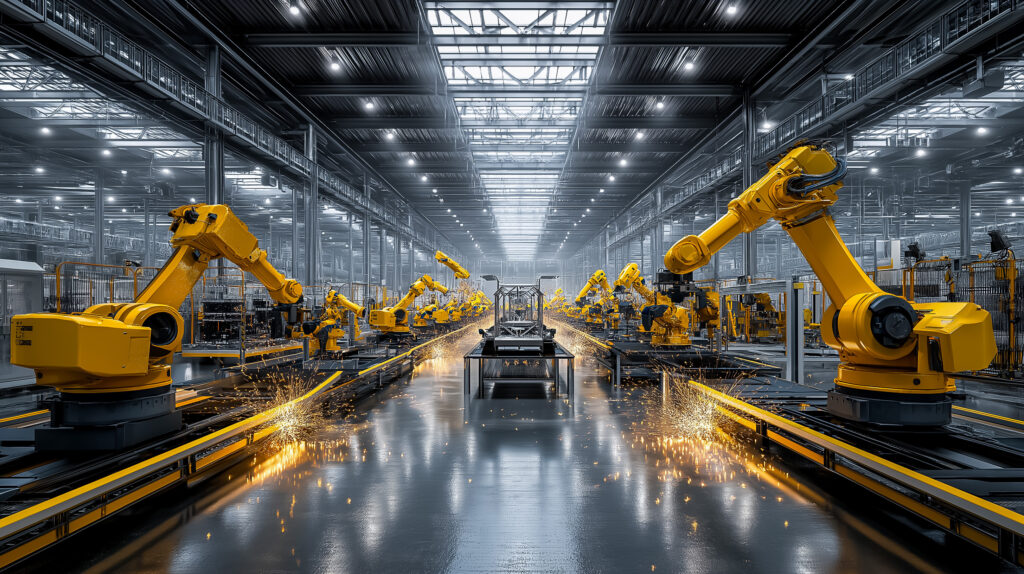
In factories, smart robots and sensors are making production safer and more efficient. Hospitals are using AI to catch diseases earlier, discover new medications faster, and monitor patients with incredible precision. Your bank? It’s probably using machine learning right now to spot fraud and make better investment decisions.
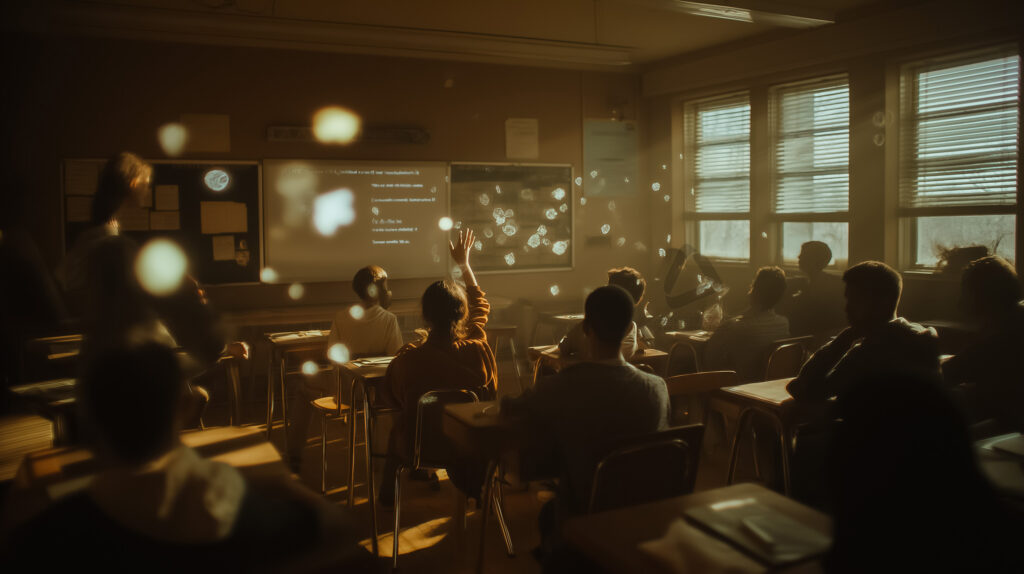
Education is getting personal in ways that weren’t possible before. AI can adapt to how each student learns, pick up on emotional cues when someone’s struggling, and even help teachers catch plagiarism more effectively.
News organizations are experimenting with AI to help with reporting and content creation. Customer service chatbots are becoming genuinely helpful (finally!). And self-driving cars are moving from science fiction to everyday reality, promising to make our roads safer and our commutes less stressful.

The Speed of Change Is Accelerating
Anthropic’s CEO Dario Amodei has this fascinating idea he calls the “compressed 21st century.” Basically, he thinks AI could speed up scientific breakthroughs by ten times or more. Imagine cramming decades of medical advances into just a few years. That’s the kind of acceleration we might be looking at.
AI doesn’t get tired, doesn’t need coffee breaks, and can process massive amounts of data in seconds. It can test hypotheses, spot patterns humans might miss, and help researchers make connections that could lead to revolutionary discoveries.
The Work Question Everyone’s Asking
Let’s address the elephant in the room: Yes, AI will change jobs. Some roles—especially repetitive administrative tasks—will likely become automated. That’s uncomfortable to think about, but it’s important to be realistic.
The good news? New jobs are emerging too. We’ll need people who can manage AI systems, interpret data, and work alongside these tools. The key is adaptation. Companies and workers who invest in learning new skills will be in a much better position. This isn’t about AI replacing humans—it’s about humans learning to work with AI.
Privacy Matters More Than Ever
As AI gets smarter, it needs more data. And that raises some serious questions about privacy. Who owns your data? How is it being used? Can you trust companies to protect it?
Governments are starting to take this seriously. Regulators worldwide are creating new rules to protect consumers and ensure AI is used ethically. The Biden-Harris administration introduced an AI Bill of Rights, and various AI Action Plans are being developed globally. These frameworks are trying to balance innovation with protection—making sure your personal information stays personal.
The Climate Conversation
AI’s relationship with climate change is complicated. On one hand, it can optimize supply chains, reduce waste, and help industries become more efficient—all good for the planet. On the other hand, training these massive AI models requires enormous amounts of energy, which could actually increase carbon emissions.
The future here depends on us making smart choices. Can we harness AI’s efficiency while also developing greener technology? That’s the challenge we need to solve.

Real Risks We Can’t Ignore
AI isn’t perfect, and pretending otherwise would be dangerous. Here are some legitimate concerns:
Bias creeps in. AI learns from data created by humans, and humans have biases. Facial recognition systems have shown troubling inaccuracies with certain demographics. Decision-making algorithms can perpetuate existing inequalities if we’re not careful.
Deepfakes are getting scary good. When you can’t trust what you see or hear anymore, that’s a problem for society, democracy, and truth itself.
Autonomous weapons raise ethical nightmares. AI-powered military systems force us to ask difficult questions about accountability and the rules of warfare.
Job displacement hits some communities harder. Women and marginalized groups often face greater risks during technological transitions, making inclusive access to training and opportunities critical.
The singularity question lingers. What happens if AI becomes smarter than humans and moves beyond our control? It sounds like science fiction, but serious researchers take this possibility seriously enough to study it carefully.
Working Together Matters
The good news is that people are talking about all of this. The 2023 global AI Safety Summit brought nations together to discuss shared standards and safety protocols. International cooperation isn’t optional—it’s essential. AI doesn’t respect borders, so our approach to managing it shouldn’t either.
What 2100 Might Look Like
Imagine waking up in 2100. Your healthcare is personalized down to your genetic code. Education adapts to exactly how you learn best. Manufacturing produces what we need with minimal waste. Transportation is seamless and safe. Scientific discoveries happen at a pace our grandparents couldn’t have imagined.
But this optimistic future isn’t guaranteed. It depends on choices we make now—about regulation, about ethics, about who has access to these technologies, and about how we prepare people for the changes ahead.

The Bottom Line
AI’s future is neither utopia nor dystopia—it’s complicated. It offers incredible potential to solve problems, improve lives, and push humanity forward. But it also demands that we stay thoughtful, vigilant, and proactive about the challenges.
The key is transparency. We need to understand how these systems work, who’s building them, and what values they’re embedding in the code. We need inclusive conversations that bring diverse voices to the table. And we need to remember that technology is a tool—what matters is how we choose to use it.
By 2100, artificial intelligence will be woven into the fabric of daily life. Whether that’s a good thing depends on the work we do today to build systems that are fair, safe, and genuinely beneficial for everyone. The future isn’t something that just happens to us—it’s something we create together.

Your Questions, Answered
How will AI actually change my daily life?
Think smarter healthcare that catches problems early, services that actually understand what you need, and technology that handles the tedious stuff so you can focus on what matters. Life gets more efficient, but hopefully also more meaningful.
What should I be worried about?
Privacy, job changes, algorithmic bias, and ensuring AI benefits everyone—not just those who can afford it. These aren’t hypothetical concerns; they’re real challenges that need real solutions.
Is AI going to end humanity?
The dramatic version? Probably not. But misused AI could cause serious harm. That’s why transparent development, ethical guidelines, and global cooperation aren’t optional—they’re essential for keeping AI aligned with human values and interests.
The future is coming, ready or not. But with clear eyes, open dialogue, and thoughtful action, we can shape an AI-powered world that works for all of us.