
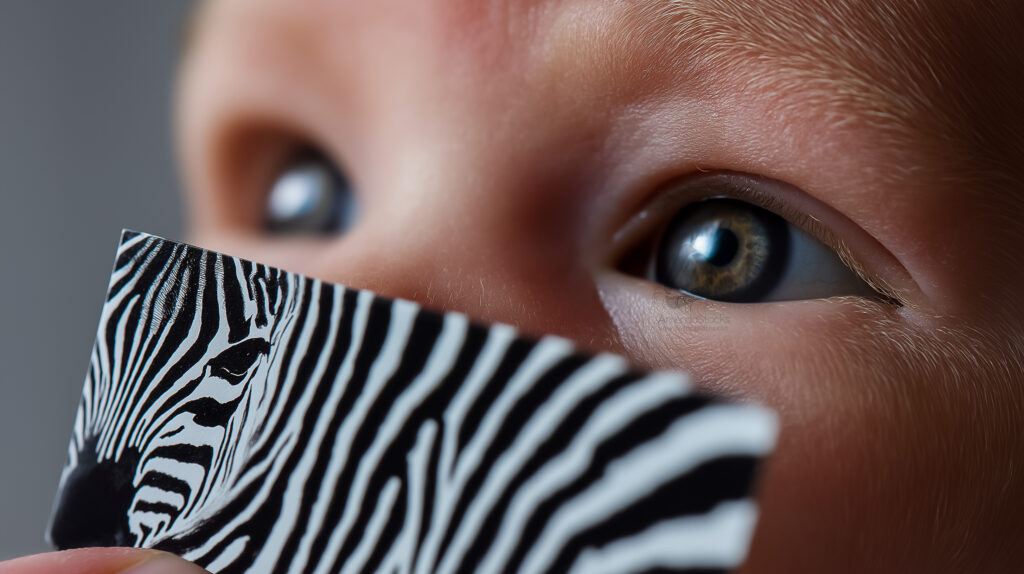
There’s something magical about watching a newborn discover the world for the first time. When my friend Sarah showed her two-week-old daughter Morgan a simple black and white card with a zebra pattern, I didn’t expect much. But Morgan’s eyes went wide, her tiny body went still, and for a solid minute, she was completely transfixed. It was like watching a black and white sensory cards babies.
That moment got me curious. What is it about these stark, simple cards that grab babies’ attention so completely?

Seeing the World Through Baby Eyes
Here’s the thing most of us don’t realize: newborns can’t see the way we do. While we’re enjoying sunsets and rainbow toys, babies are living in what’s essentially a blurry, muted world. Their eyes and brain are still figuring out how to work together. For the first few weeks, they see mostly in shades of gray, with maybe some faint colors thrown in.
That’s where black and white comes in. The sharp contrast between pure black and pure white is the easiest thing for their developing eyes to latch onto. It’s not just that babies prefer it—it’s actually all they can really see clearly at first.
When Morgan stared at that zebra card, her brain wasn’t just passively looking. It was working hard, building connections, making sense of patterns and shapes. Every focused glance was like a little workout for her developing mind.
More Than Just Pretty Pictures
I’ll be honest—when I first heard about these cards, I thought it might be one of those overhyped parenting trends. But the science is actually pretty solid.
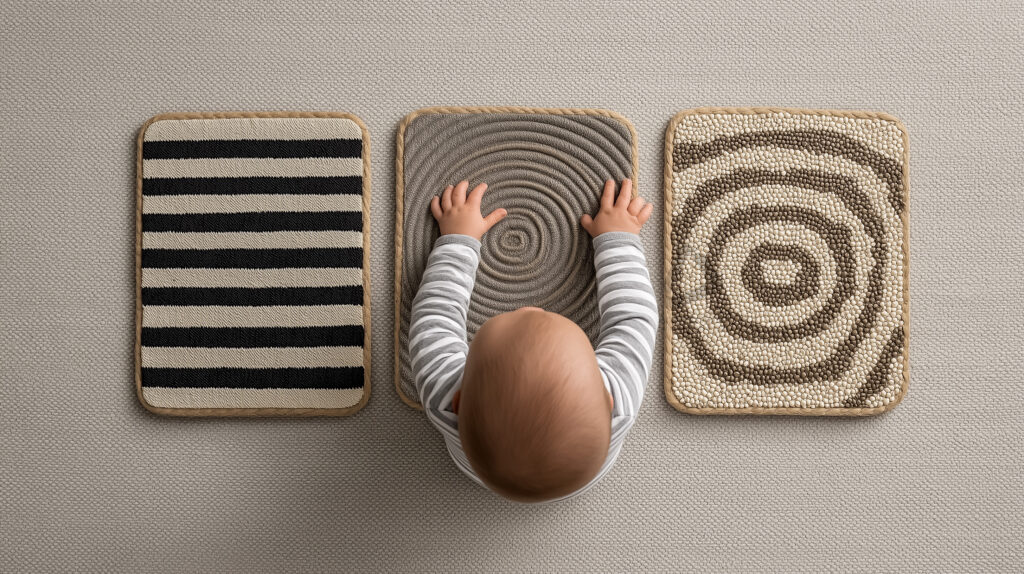
Every time a baby focuses on high-contrast images, they’re strengthening the neural pathways responsible for vision and attention. Think of it like lifting weights at the gym, but for the brain. Those bold patterns help babies learn to focus, track movement with their eyes, and eventually recognize shapes and objects.
Sarah noticed something interesting after a few weeks of using the cards with Morgan. During tummy time, which used to end in tears after about thirty seconds, Morgan would now happily lift her head and stare at the cards placed in front of her. She was building neck strength without even realizing it, too focused on the patterns to complain.
How to Actually Use Them
You don’t need a PhD to make these cards work. Just keep it simple:
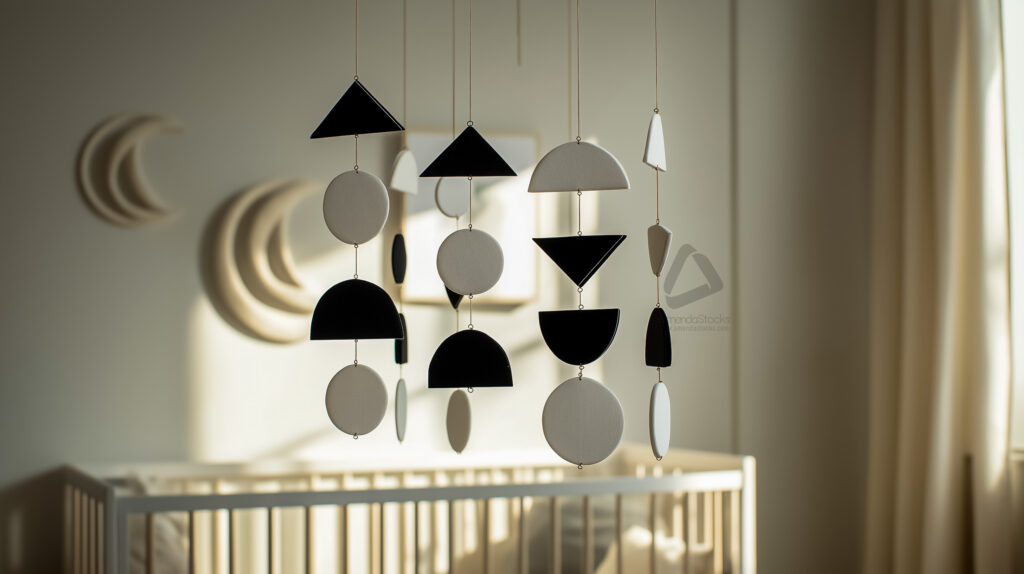
Put them where babies can actually see them. We’re talking about 8 to 12 inches from their face. Any farther and it’s all a blur.
Use them during tummy time. Prop a few cards up at eye level. It gives babies a reason to lift their heads and look around.
Try a little movement. Slowly move a card from side to side. You’ll see those little eyes working to follow it. That’s the tracking skill developing right there.
Keep it fresh. Swap out cards every few days. Babies get bored too. Different patterns—stripes, dots, animal shapes—keep things interesting.
Don’t overthink it. If your baby loses interest after a minute or two, that’s fine. Their attention spans are tiny. Just try again later.
Real Talk from Real Parents
I’ve talked to a bunch of parents about this, and the stories are surprisingly similar. One mom told me her son Tristan would literally stop crying when she held up a card with bold circles on it. Another dad joked that his daughter seemed more interested in a $5 pack of flashcards than the expensive mobile hanging over her crib.
But beyond the cute moments, parents consistently notice the same things: better focus, longer stretches of calm alertness, and babies who seem genuinely engaged with their surroundings earlier than expected.
The Bigger Picture
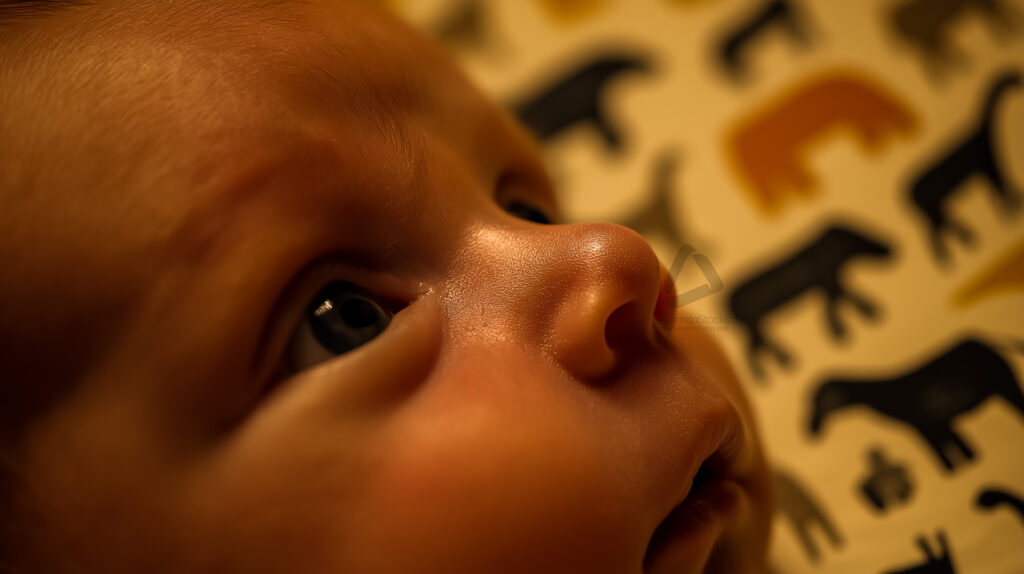
Here’s what really matters: these cards aren’t just keeping your baby entertained for a few minutes. They’re helping build the foundation for everything that comes later—recognizing faces, learning to read, understanding spatial relationships, solving puzzles.
When Morgan looks at that zebra now, she doesn’t know it’s a zebra. But her brain is cataloging that pattern, those shapes, those contrasts. Months from now, when she sees a real zebra at the zoo or in a picture book, there’ll be a flicker of recognition. That’s pre-learning in action.
Bottom Line
In a world full of complicated baby gear and expensive toys, it’s refreshing that something as simple as black and white cards can make such a difference. They’re cheap, they work, and they give parents an easy way to support their baby’s development during those crucial early months.
You don’t need to turn it into a rigorous training program. Just a few minutes here and there, whenever it feels natural. Your baby’s brain will do the rest, building connections and making sense of the world, one bold pattern at a time.
And who knows? You might find yourself as mesmerized as your baby, watching those tiny eyes light up with wonder at something as simple as stripes on a card.