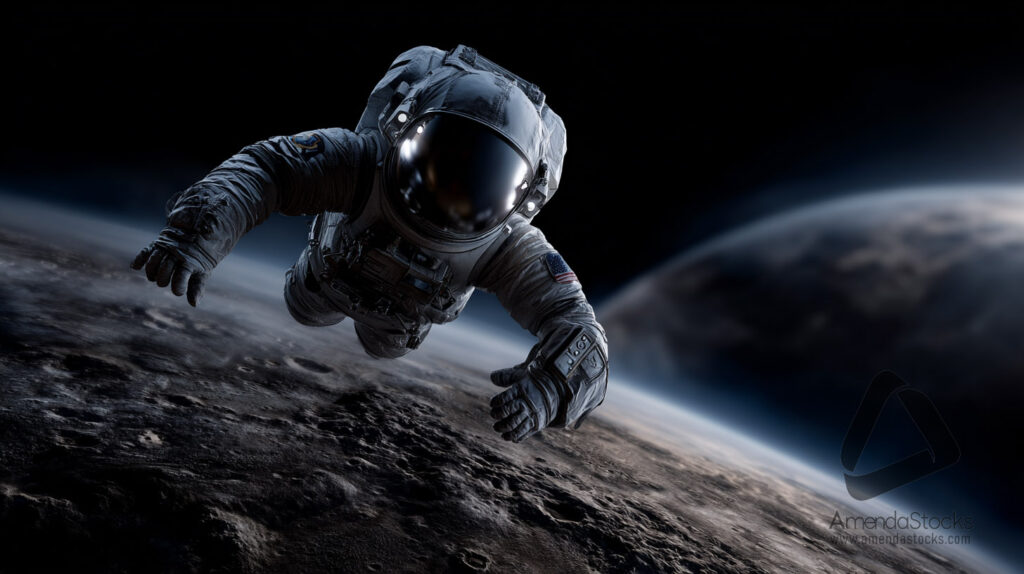
After more than five decades since the last human lunar mission, NASA is preparing to make history once again. The space agency recently announced that its highly anticipated Artemis II mission could launch as early as February 2026, marking humanity’s first crewed journey beyond Earth orbit in over 50 years.
The Artemis II Mission: A New Chapter in Space Exploration
The Artemis II mission will send four astronauts on a 10-day journey around the Moon, marking the first time in more than 50 years that humans will travel beyond low Earth orbit. This ambitious mission represents a crucial stepping stone in NASA’s broader Artemis program, which aims to establish a sustainable human presence on the lunar surface.
The mission will carry NASA astronauts Reid Wiseman, Victor Glover, and Christina Koch, along with Jeremy Hansen of the Canadian Space Agency, on a free-return trajectory around the Moon and back to Earth. This diverse crew brings together experienced astronauts who will test critical systems and pave the way for future lunar exploration.
Why February 2026 Matters for Space History
The timing of the Artemis II mission is significant for several reasons. NASA officials indicate the launch could occur as early as February 5, 2026, though it may extend to April 2026 depending on various factors. This timeline represents an acceleration of NASA’s original schedule, demonstrating the agency’s commitment to returning humans to lunar space.
Building on the success of the uncrewed Artemis I flight in 2022, Artemis II will test critical systems aboard NASA’s Orion spacecraft. The previous mission successfully demonstrated the spacecraft’s capabilities during its uncrewed flight, setting the stage for human passengers.
Technical Challenges and Solutions
The mission faces several technical hurdles that NASA has been working to address. The Artemis 2 team has studied heat shield issues extensively and taken measures to minimize the chances of heat shield problems during atmospheric reentry. This demonstrates NASA’s commitment to astronaut safety and mission success.
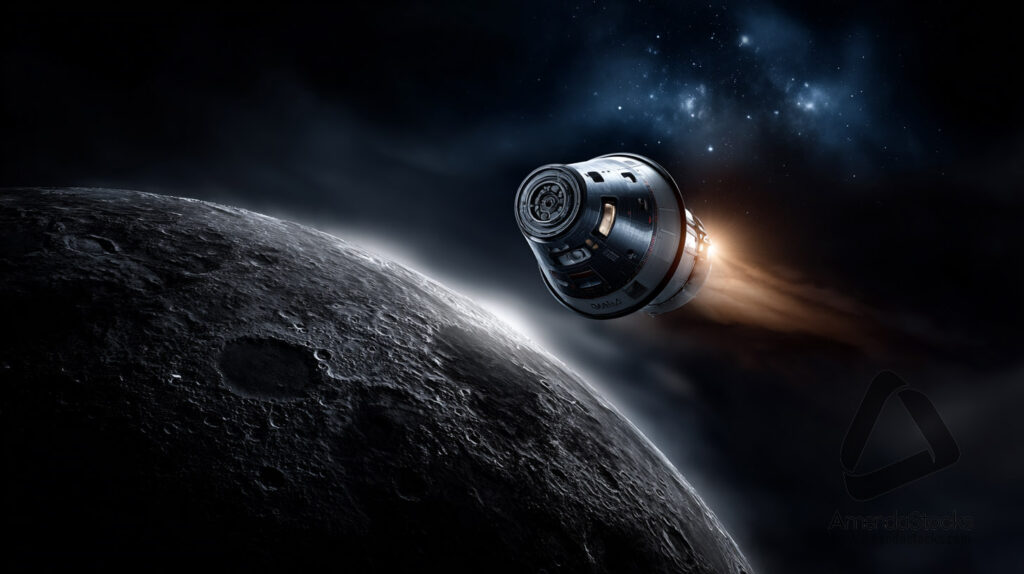
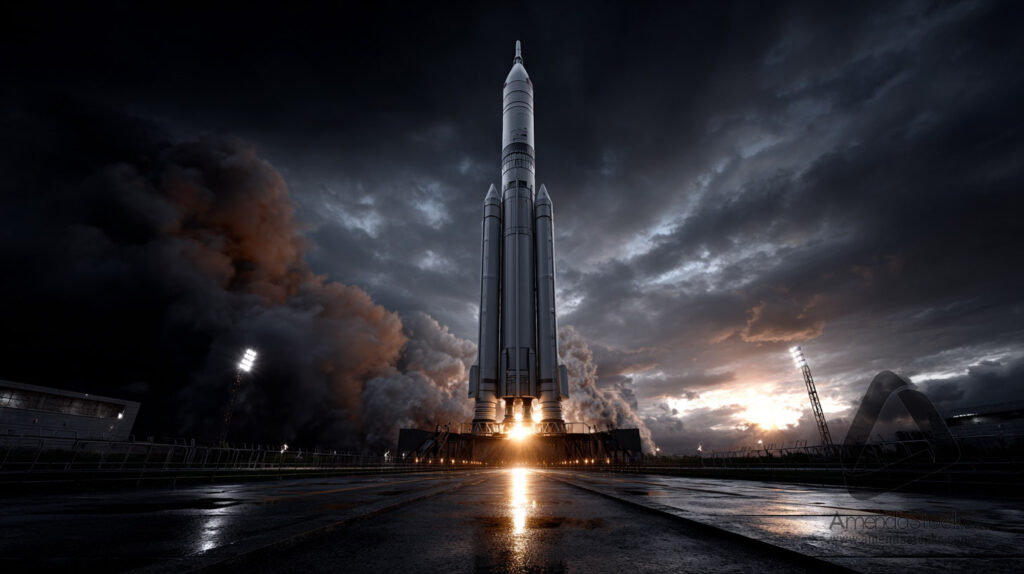
The Orion spacecraft, powered by NASA’s Space Launch System (SLS) rocket, represents cutting-edge technology designed specifically for deep space missions. Unlike previous spacecraft designed for low Earth orbit operations, Orion is built to withstand the harsh conditions of deep space and provide life support for extended lunar missions.
The Broader Artemis Program Timeline
While Artemis II focuses on lunar orbit, it’s part of a larger vision for Moon exploration. Artemis 3, the crewed moon landing mission originally targeted for late 2026, is now scheduled for mid-2027. This mission will attempt to land the first humans on the lunar surface since Apollo 17 in 1972.
Artemis III will send the first humans to explore the region near the lunar South Pole, while Artemis IV will debut humanity’s first lunar space station. These missions collectively aim to establish a permanent human presence on and around the Moon.
Scientific and Economic Benefits
The Artemis program isn’t just about reaching the Moon – it’s about transforming our understanding of lunar science and developing technologies for future Mars missions. The Artemis II crew will work with scientists on Earth to facilitate science investigations that will inform future missions.
The mission will provide unprecedented opportunities for scientific research, including:
- Testing life support systems in deep space environments
- Studying radiation effects during extended lunar missions
- Evaluating spacecraft performance beyond Earth’s protective magnetosphere
- Gathering data to support future lunar surface operations
International Collaboration and Crew Selection
The inclusion of Canadian astronaut Jeremy Hansen highlights the international nature of the Artemis program. This collaboration extends beyond individual missions, with multiple countries contributing technology, expertise, and resources to support lunar exploration goals.
The diverse crew brings together astronauts with different specialties and backgrounds, ensuring comprehensive mission coverage and redundancy in critical skills. Their training includes extensive simulation work, emergency procedures, and scientific protocol development.
Looking Toward the Future
This will be the first crewed lunar mission in half a century, representing a significant milestone in human space exploration. The success of Artemis II will directly influence the timeline and scope of subsequent missions, including the planned lunar surface landings.
Beyond the immediate scientific and technological achievements, the mission serves as inspiration for a new generation of scientists, engineers, and explorers. It demonstrates humanity’s continued commitment to pushing the boundaries of what’s possible in space exploration.
Preparing for Launch
As we approach the February 2026 launch window, NASA continues intensive preparation and testing phases. The agency is conducting comprehensive reviews of all mission systems, crew training protocols, and contingency procedures.
Public engagement remains a priority, with NASA offering opportunities for people to participate virtually in the mission. The public can add their names to be carried around the Moon during the approximately 10-day Artemis II test flight.

Conclusion: A New Era of Lunar Exploration
The Artemis II mission represents more than just a return to lunar space – it symbolizes humanity’s renewed commitment to exploration, scientific discovery, and pushing the boundaries of human achievement. As we count down to February 2026, we’re witnessing the dawn of a new chapter in space exploration that will influence generations to come.
With its combination of cutting-edge technology, international collaboration, and ambitious goals, Artemis II sets the foundation for sustainable lunar exploration and eventual missions to Mars. The mission promises to answer fundamental questions about deep space travel while inspiring countless individuals to pursue careers in science, technology, engineering, and mathematics.
As NASA prepares for this historic journey, the world watches with anticipation for humanity’s next giant leap in space exploration.