
Every November 1st, Christians worldwide pause to remember those who lived with great faith. All Saints’ Day honors not only famous saints but also the countless unknown souls who found their way to heaven.

Where It All Began
The story of All Saints’ Day goes back to Christianity’s earliest days. Back then, local churches would remember their martyrs and saints on the anniversaries of their deaths. But as the faith spread across Europe, church leaders realized they needed one special day to honor everyone—especially those who’d never gotten their own feast day.
By the 800s, Pope Gregory IV made it official, choosing November 1st as the day Western churches would celebrate all the saints together. It became one of the most important days in the church calendar. Eastern churches chose a different date—the first Sunday after Pentecost—showing how the same idea takes unique forms across cultures..
What It Really Means
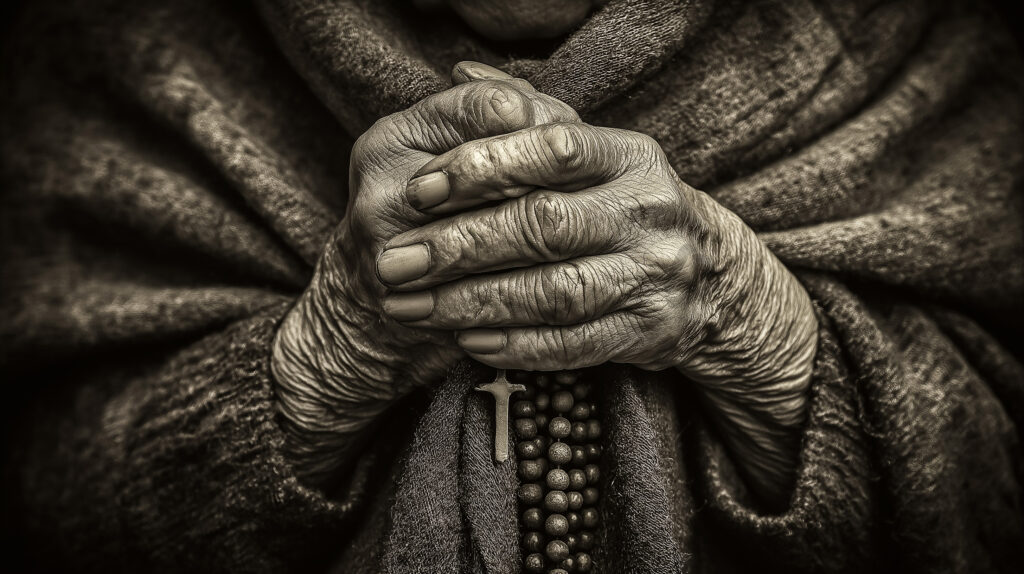
Here’s what makes All Saints’ Day so meaningful: it’s not just about the big-name saints like Peter or Francis or Teresa. It’s about recognizing that holiness isn’t some unreachable goal reserved for a special few. The day celebrates what Bishop Alex beautifully explains—that saints aren’t holy because they were somehow superhuman, but because God’s grace worked through their ordinary lives to create something extraordinary.
Think about it: All Saints’ Day honors your grandmother who never missed church, the neighbor who always helped others, and the teacher who showed Christ’s love to every student. These “everyday saints” are the great multitude—ordinary people letting God work through them.
It’s a reminder that we’re all part of one big spiritual family, connected across time and space. When we remember the saints, we’re not just looking back—we’re finding inspiration for our own journey forward.
How People Celebrate
All Saints’ Day comes alive in different ways across Christian communities:
Churches hold special services filled with hymns and readings that celebrate the lives of saints and the unity we all share in Christ. For many Catholics, it’s a holy day of obligation, meaning attending Mass isn’t optional—it’s a priority.
The day sits in the middle of a meaningful three-day period. It starts with Halloween (which literally means “All Hallows’ Eve”), continues through All Saints’ Day, and ends with All Souls’ Day on November 2nd. Together, these three days create a special time for remembering those who’ve gone before us.
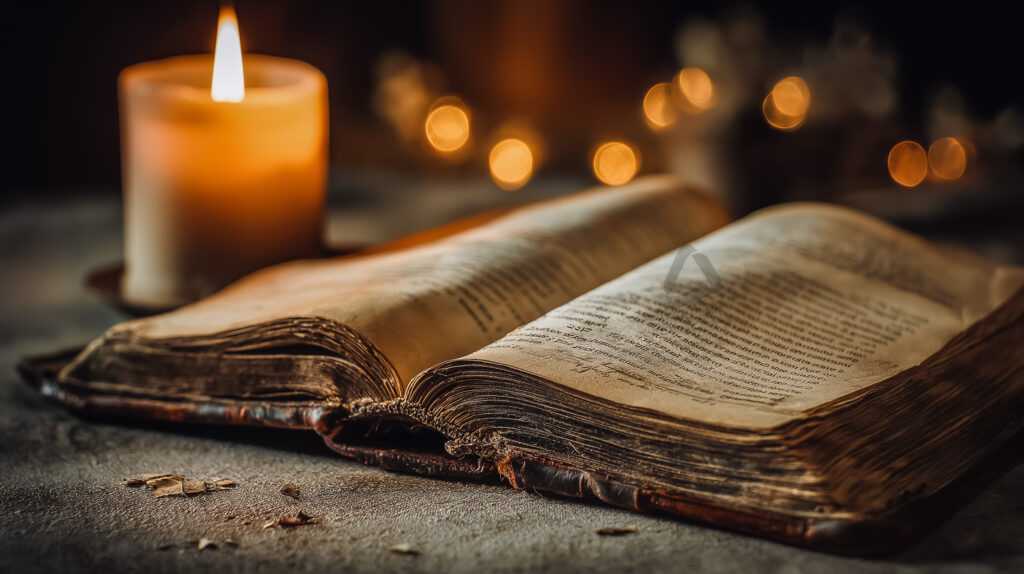
In many places, families visit cemeteries, bringing flowers and lighting candles at the graves of loved ones. There’s something deeply moving about these visits—they connect our personal memories with the larger hope that the saints represent.

Why It Still Matters Today
In our modern world, we’re often told that we need to make ourselves great through our own efforts. All Saints’ Day reminds us that greatness comes not from our own success but from God’s grace. Saints show what’s possible when ordinary people say yes to Him.
Their stories speak directly to our contemporary struggles. Saints faced doubt, fear, failure, and opposition—just like we do. They weren’t perfect people; they were people who kept trying, kept loving, kept believing even when it was hard. That’s the kind of inspiration that never goes out of style.

Making It Personal
Want to mark All Saints’ Day in a meaningful way? Here are some ideas:
Create a “saints wall” at home with pictures and short stories of saints who inspire your family. Let your kids pick their favorites and tell you why they admire them.
Host a gathering where everyone shares stories about people in their lives who’ve shown them what faith looks like in action—the personal saints who’ve shaped who they are.
Learn about a lesser-known saint whose story you’ve never heard. There are thousands of them, and each one has something unique to teach us.
Take time to pray for those who’ve passed away, especially the ones whose names and stories are known only to God and the people who loved them.

The Heart of the Matter
At its core, All Saints’ Day is about hope. It’s the church saying, “Look at all these people who’ve gone before you. They were human, just like you. They struggled, just like you. But God’s grace was enough for them, and it’s enough for you too.”
Whether you’re creating content about this day or simply observing it in your own life, the message remains powerful: holiness isn’t about being perfect. It’s about being faithful. It’s about letting God work through your ordinary moments to create something extraordinary. And it’s about belonging to a community that stretches across centuries and around the world—a community of imperfect people being perfected by a perfect God.
That’s a message worth celebrating, today and every day.