
Cricket stands as one of the world’s most beloved sports, captivating over one billion fans globally and serving as more than just a game—it’s a cultural phenomenon that unites nations across continents. From its humble beginnings in 16th-century England to becoming a multi-billion dollar industry, cricket has evolved into a sport that combines strategy, skill, and tradition in ways few other games can match.

What is Cricket? Understanding the Basics
Cricket is a bat-and-ball game played between two teams of eleven players each on a field featuring a 22-yard pitch with wickets at both ends. The fundamental objective is simple: score more runs than your opponent while preventing them from doing the same. However, the beauty of cricket lies in its complexity and the myriad strategies that unfold during play.
The game centers around a bowler delivering a hard leather ball toward a batsman (striker) who defends wooden stumps called wickets while attempting to score runs. Each team takes turns batting and bowling, with matches varying in duration from intense three-hour Twenty20 contests to epic five-day Test matches that can swing dramatically over time.

The Rich History of Cricket: From Village Game to Global Sport
Cricket’s origins trace back to 16th-century South East England, where it began as a children’s game before evolving into organized adult competition. The earliest definite reference dates to 1597 in Guildford, where court records mention the game being played by schoolchildren.
The sport’s golden age arrived in the 18th century when it became England’s national sport, supported by patronage and betting. The formation of the Marylebone Cricket Club (MCC) in 1787 established the Laws of Cricket that still govern the game today. Cricket’s expansion followed the British Empire, reaching Australia, India, the Caribbean, and South Africa by the mid-19th century.
The first international match occurred in 1844 between the United States and Canada, while the inaugural Test match took place in 1876-77 between England and Australia at the Melbourne Cricket Ground. This rivalry birthed The Ashes series in 1882, which remains cricket’s most famous contest.

Cricket Formats: From Test Cricket to T20 Entertainment
Modern cricket offers multiple formats designed to cater to different preferences and time constraints:
Test Cricket
Test cricket represents the sport’s purest form, played over five days with each team having two innings. These matches test endurance, technique, and mental fortitude, often producing dramatic finishes that can shift over several days.
One Day Internationals (ODIs)
Limited to 50 overs per team, ODIs provide a balance between the traditional game and modern entertainment needs. The Cricket World Cup, held every four years, showcases this format’s excitement and strategic depth.
Twenty20 (T20) Cricket
The newest and most explosive format limits each team to 20 overs, creating high-intensity matches lasting approximately three hours. T20 cricket has revolutionized the sport through franchise leagues like the Indian Premier League (IPL), attracting global audiences and transforming player careers.

Essential Cricket Equipment and Playing Conditions
Cricket requires specialized equipment that has evolved over centuries:
The Cricket Bat: Made from willow wood, cricket bats must not exceed 38 inches in length or 4.25 inches in width, typically weighing between 2.5-3 pounds.
The Cricket Ball: A hard leather sphere with a raised seam, measuring 9 inches in circumference. Different colored balls are used for various formats—red for Test cricket, white for limited-overs matches.
Protective Gear: Players wear pads, gloves, helmets, and protective boxes due to the ball’s hardness and speeds exceeding 90 mph from fast bowlers.
Playing Field: Cricket is played on oval or circular fields with a 22-yard pitch at the center, surrounded by a boundary rope or fence.

How Cricket is Played: Rules and Gameplay
Cricket’s complexity creates endless strategic possibilities:
Batting
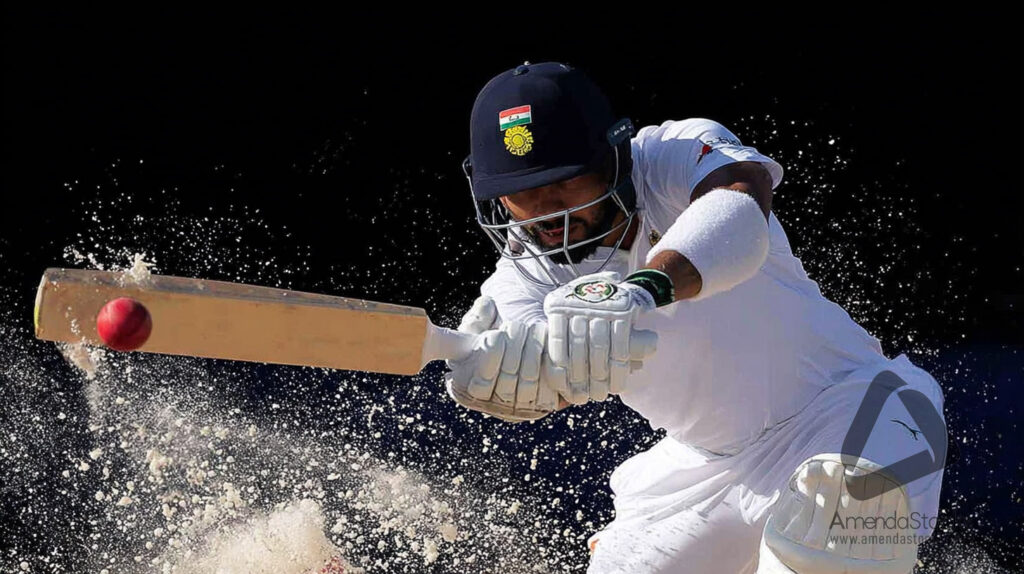
Batsmen aim to score runs by hitting the ball and running between wickets or striking boundaries (4 or 6 runs). They can be dismissed through various methods including being bowled, caught, leg before wicket (LBW), run out, or stumped.
Bowling
Bowlers deliver six balls per “over” before switching ends. They vary pace, spin, and line to deceive batsmen, ranging from express fast bowlers exceeding 90 mph to crafty spinners who rely on guile and flight.
Fielding
The fielding team positions players strategically around the ground to prevent runs and create dismissal opportunities. The wicket-keeper, positioned behind the stumps, plays a crucial role similar to a catcher in baseball.
Global Cricket: Nations and Competitions
The International Cricket Council (ICC) governs world cricket, with 12 full members eligible to play Test cricket: England, Australia, India, Pakistan, South Africa, New Zealand, West Indies, Sri Lanka, Bangladesh, Zimbabwe, Afghanistan, and Ireland.
Major competitions include:
- Cricket World Cup (ODI format)
- T20 World Cup
- World Test Championship
- Champions Trophy
Australia leads the trophy count with multiple World Cup victories and extended periods as the top-ranked Test nation.
Cricket’s Cultural Impact and Popular Appeal
Cricket transcends sport in many nations, particularly in South Asia where 90% of the sport’s one billion fans reside. The game has enriched language with phrases like “sticky wicket” (difficult situation) and “had a good innings” (lived a long life).
The sport has inspired literature, art, and music, with C.L.R. James’s “Beyond a Boundary” often cited as the greatest sports book ever written. Cricket has also influenced other sports—Australian Rules Football originated when cricketers sought winter fitness activities.

Women’s Cricket: Growth and Recognition
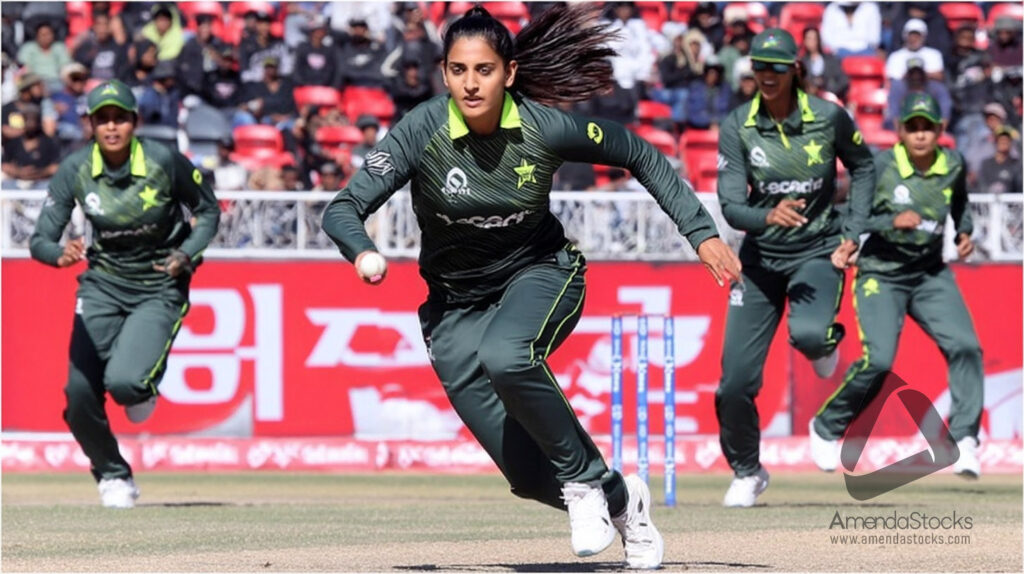
Women’s cricket has experienced remarkable growth, with the first recorded match dating to 1745 in Surrey. The inaugural Women’s Cricket World Cup in 1973 actually preceded the men’s tournament by two years. Today, women’s cricket features the same formats and attracts increasing audiences and investment.
The Business of Modern Cricket
Cricket has evolved into a billion-dollar industry driven by television rights, sponsorships, and franchise leagues. The IPL revolutionized cricket economics, creating opportunities for players worldwide and establishing cricket as entertainment spectacle alongside traditional sport.
T20 leagues have spawned globally, from Australia’s Big Bash League to the Caribbean Premier League, creating a calendar of cricket entertainment year-round.
Cricket’s Future: Innovation and Expansion
Cricket continues evolving with shorter formats like T10 and The Hundred, attempting to capture new audiences while maintaining traditional appeal. The sport’s inclusion in the 2028 Los Angeles Olympics marks a significant milestone for global expansion.
Technology has enhanced both playing and viewing experiences through innovations like the Decision Review System (DRS), ball-tracking technology, and advanced analytics that provide deeper insights into player performance and match dynamics.
Conclusion: Why Cricket Captures Hearts Worldwide
Cricket’s enduring appeal lies in its unique combination of individual skill and team strategy, immediate excitement and long-term narrative, tradition and innovation. Whether it’s a village match on a Sunday afternoon or a World Cup final watched by hundreds of millions, cricket creates moments of joy, despair, triumph, and drama that few sports can match.
For newcomers to cricket, understanding its basics opens the door to appreciating one of sport’s most sophisticated and rewarding games. For existing fans, cricket’s constant evolution ensures there’s always something new to discover in this magnificent game that truly deserves its title as the “gentleman’s game” that has become the world’s passion.



Pingback: Why Pakistan Will Triumph Over India Tomorrow