
The iPhone Air, Apple’s rumored ultra-thin smartphone concept, represents the company’s potential pursuit of unprecedented portability and sleek design. However, this relentless focus on thinness and weight reduction comes with significant trade-offs that could substantially impact user experience, functionality, and long-term satisfaction. Understanding these disadvantages is crucial for consumers who prioritize performance, durability, and practical functionality over aesthetic appeal.
Battery Life Compromises
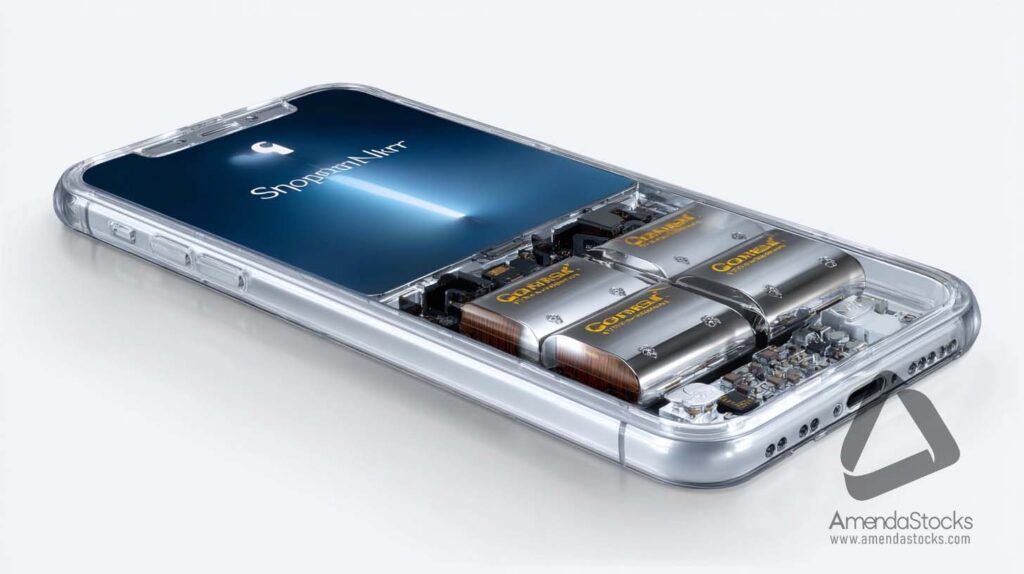
The most significant disadvantage of an ultra-thin iPhone Air would be severely compromised battery life. As devices become thinner, the available internal space for battery components shrinks dramatically. Current iPhone models already face criticism for battery longevity, and an Air variant would likely exacerbate this issue considerably. The physics of battery technology means that reducing thickness directly correlates with reduced capacity, potentially resulting in a device that struggles to last through a full day of moderate use.
This limitation becomes particularly problematic for power users who rely on their devices for intensive tasks like video streaming, gaming, GPS navigation, or professional applications. The constant anxiety about finding charging opportunities throughout the day undermines the fundamental promise of mobile freedom that smartphones are supposed to provide. Moreover, frequent charging cycles accelerate battery degradation, potentially requiring earlier battery replacements and increasing long-term ownership costs.
Thermal Management Issues
Thinness severely constrains thermal management capabilities, creating a cascade of performance problems. Modern processors generate significant heat during operation, and effective cooling requires adequate internal space for heat dissipation components. An iPhone Air’s constrained internal volume would likely result in thermal throttling, where the processor automatically reduces performance to prevent overheating.
This thermal limitation manifests in several ways: reduced sustained performance during demanding tasks, uncomfortable surface temperatures during extended use, and potential long-term reliability issues. Users might experience frustrating slowdowns during critical moments, such as when running navigation apps during hot weather or engaging in video calls in warm environments. The device might also exhibit inconsistent performance, running smoothly when cool but becoming sluggish as temperatures rise.
Structural Fragility
Ultra-thin construction inherently compromises structural integrity. An iPhone Air would likely be significantly more susceptible to bending, cracking, and other physical damage from everyday handling. The reduced material thickness means less resistance to torsional stress, making the device vulnerable to damage from normal activities like sitting with the phone in a back pocket or experiencing minor drops.
This fragility extends beyond just the chassis to critical components like the display and internal circuitry. Thinner devices typically require more delicate internal components that are less tolerant of physical stress. The result is a device that demands extremely careful handling and potentially expensive repairs from relatively minor incidents that wouldn’t affect more robust smartphones.
Limited Port Selection and Connectivity
Extreme thinness severely restricts port options and connectivity features. An iPhone Air might be forced to eliminate traditional ports entirely, relying exclusively on wireless charging and data transfer. While this might seem acceptable in theory, the practical implications are significant. Wireless charging is slower than wired charging, less efficient, and requires specific positioning that can be inconvenient in many situations.
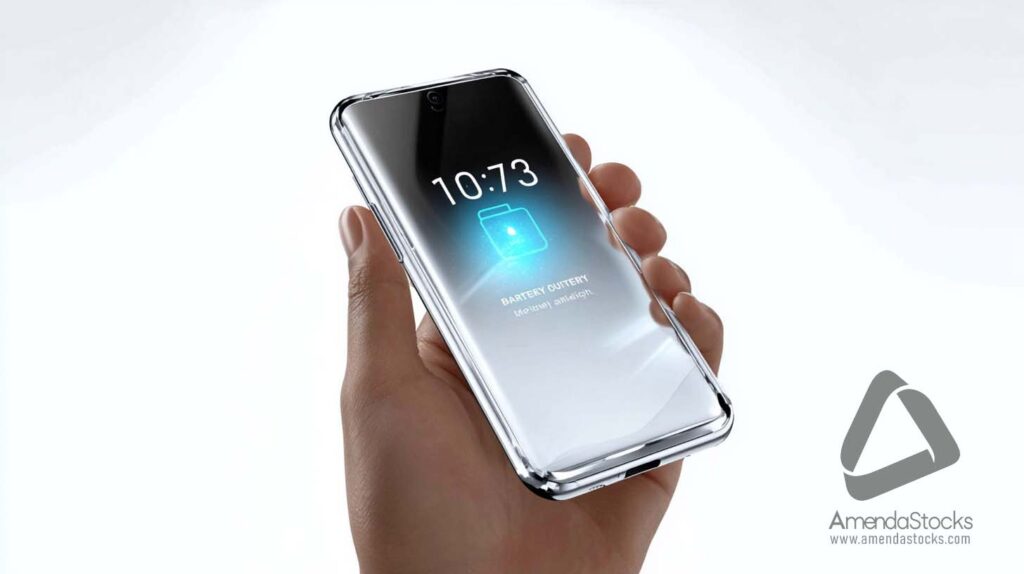
The absence of physical ports also complicates professional use cases where reliable, high-speed data transfer is essential. Photographers, videographers, and other content creators often need to transfer large files quickly, something that wireless solutions cannot match. Additionally, the device might struggle to accommodate advanced connectivity features like multiple antenna arrays for improved cellular reception or advanced wireless technologies.
Audio Quality Limitations
Thinness severely constrains speaker placement and acoustic design, likely resulting in compromised audio quality. Effective speakers require internal volume to produce quality sound, particularly in lower frequencies. An iPhone Air would probably feature smaller, less capable speakers that produce thinner, less satisfying audio for music, videos, and calls.
This limitation affects multiple use cases: media consumption becomes less enjoyable, speakerphone conversations may be harder to hear in noisy environments, and the device might struggle with audio-based accessibility features. For users who frequently consume media or rely on their phone for conference calls, these audio limitations could significantly impact daily usability.
Reduced Camera Capabilities
Camera systems require substantial internal space for lenses, sensors, and stabilization mechanisms. An iPhone Air would likely face significant compromises in camera performance, potentially eliminating advanced features like optical zoom, sophisticated stabilization systems, or larger sensors that improve low-light performance.
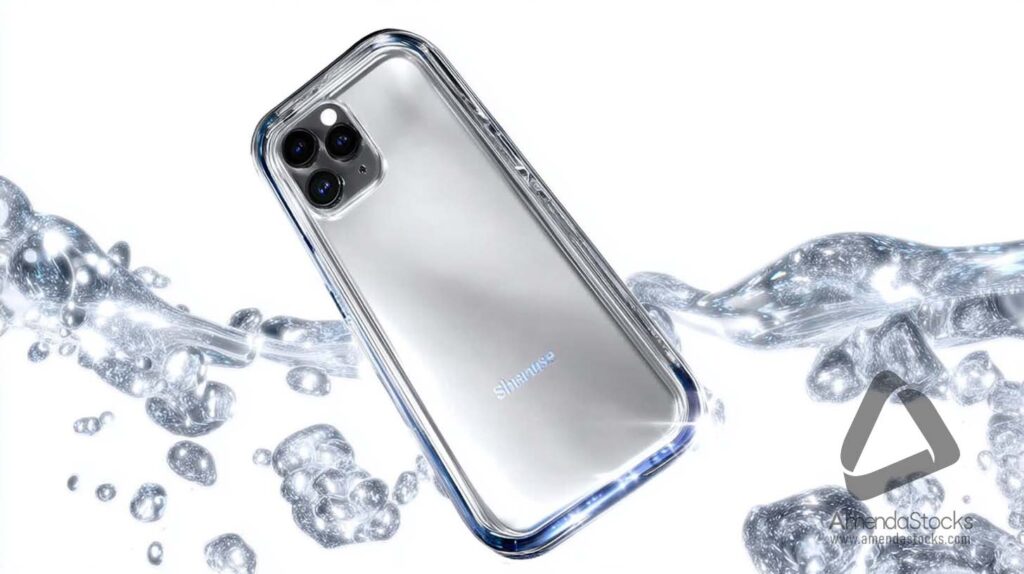
The camera bump that characterizes modern iPhones exists because optical physics demands certain minimum distances between lens elements and sensors. An ultra-thin design would either require eliminating these advanced features or creating an even more pronounced camera protrusion that contradicts the thin aesthetic. This could particularly impact photography enthusiasts who have come to expect professional-level capabilities from their smartphones.
Limited Storage Options
Thinness constraints typically force manufacturers to limit storage configurations, potentially eliminating higher-capacity options that require more physical space. An iPhone Air might only offer base storage levels, forcing users to rely more heavily on cloud storage solutions. This creates ongoing costs, requires reliable internet connectivity, and may not suit users who prefer local storage for privacy or accessibility reasons.
Cooling and Performance Trade-offs
The constrained internal space of an ultra-thin device makes it difficult to implement effective cooling solutions, leading to thermal throttling that reduces performance during sustained workloads. This particularly affects gaming, video editing, augmented reality applications, and other processor-intensive tasks that modern smartphones are increasingly expected to handle competently.
Conclusion
While an iPhone Air might appeal to users who prioritize portability and aesthetic minimalism above all else, the disadvantages are substantial and affect core smartphone functionality. The compromises in battery life, durability, performance, and features represent significant trade-offs that most users would likely find unacceptable in daily use. These limitations suggest that an iPhone Air would serve a very narrow market segment, potentially disappointing mainstream consumers who expect their smartphones to be reliable, capable tools for diverse daily tasks.
The pursuit of extreme thinness, while technologically impressive, often comes at the expense of practical utility. For most users, a slightly thicker device that delivers superior performance, battery life, and durability would provide significantly better long-term satisfaction than an ultra-thin device that looks impressive but struggles with basic functionality.