You’ve probably seen the letters LGBTQ+ used everywhere, from news articles to pride flags flying in your neighborhood. But what does it actually mean, and why does it matter? Let’s break it down in a way that makes sense.
What LGBTQ+ Actually Stands For
At its core, LGBTQ+ is shorthand for a beautifully diverse community of people who experience gender and attraction differently than what society traditionally expects. Here’s what each letter means:
Lesbian refers to women who are attracted to other women, whether emotionally, romantically, or physically. Some lesbians also just call themselves gay women—both terms work.
Gay describes someone attracted to people of the same sex. While it can apply to anyone, it’s most commonly used by men who are attracted to other men.
Bisexual people are attracted to more than one gender. It’s not about picking sides—bisexual folks can be drawn to different genders throughout their lives.
Transgender is an umbrella term for people whose gender identity doesn’t match the sex they were assigned at birth. Some trans people transition socially, medically, or legally, while others don’t. Being transgender isn’t about surgery or hormones—it’s about who you truly are inside.
Queer or Questioning covers a lot of ground. Queer has been reclaimed as a broad term for anyone who doesn’t fit neatly into straight or cisgender boxes. Questioning describes people who are still figuring out their identity, and that’s perfectly okay.
And that plus sign? It’s hugely important. It represents everyone else whose identity isn’t captured in those five letters—intersex people, asexual folks, pansexual individuals, nonbinary people, aromantic folks, and countless others. Human identity is wonderfully complex, and no acronym can capture it all.
More Than Just Letters
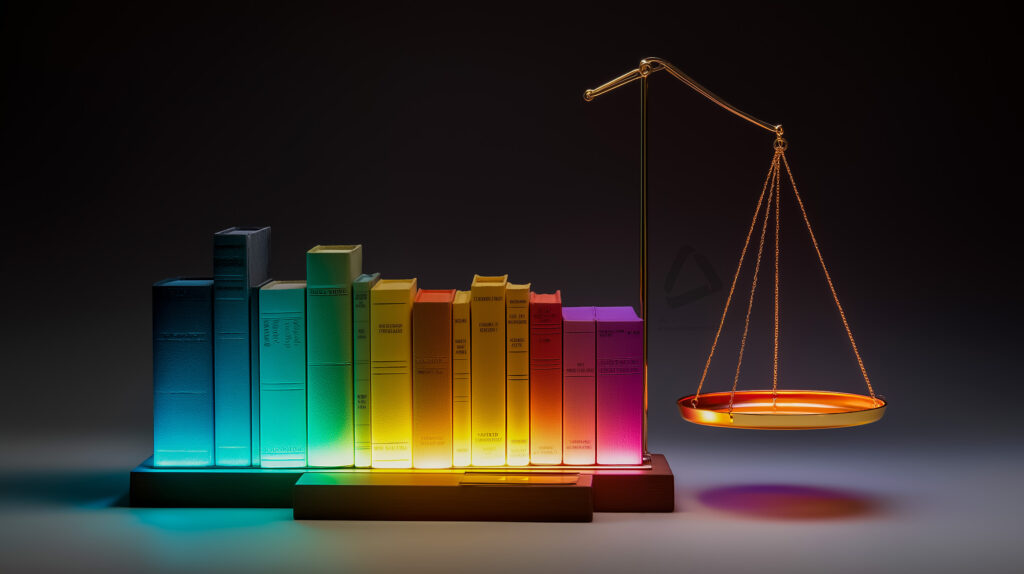
Think of LGBTQ+ as an umbrella term that covers anyone whose sexual orientation, gender identity, or romantic feelings fall outside traditional expectations. You might see variations like LGBT, LGBTQ, or LGBTQIA+, depending on who’s using it. They all point to the same thing: recognizing and respecting the full spectrum of human diversity.
What Community Actually Looks Like
When we talk about the LGBTQ+ community, we’re not describing a monolithic group where everyone thinks and acts the same way. Instead, it’s more like a loose network of people who share certain experiences—the challenges of being different, the joy of finding acceptance, the journey of discovering who you really are.
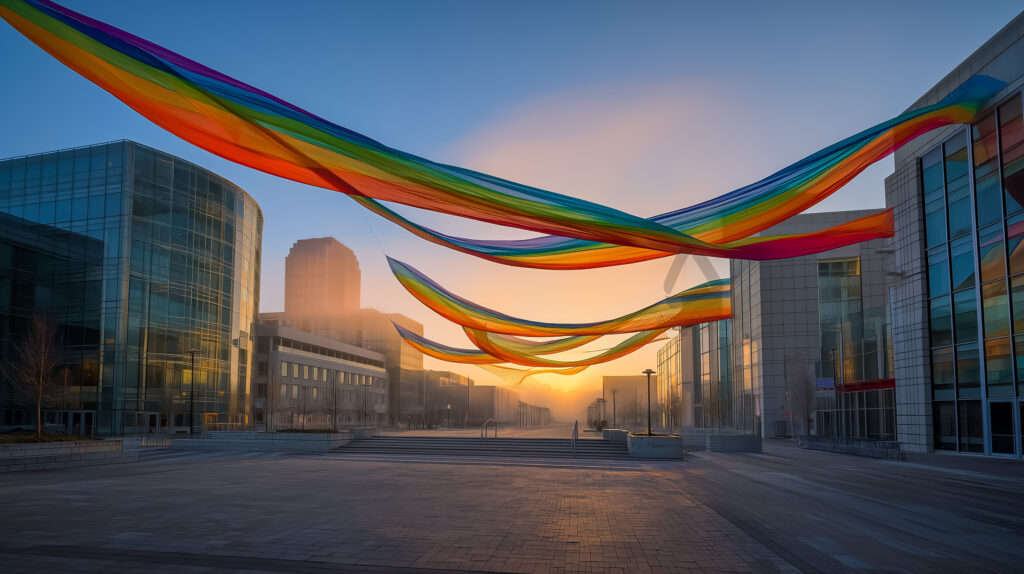
Some people find their community in organized spaces: activist groups fighting for rights, student organizations on college campuses, affirming religious congregations, or local LGBTQ+ centers. Others connect through neighborhoods with vibrant queer cultures or at events like pride parades, the Gay Games, or other celebrations where people can be openly themselves.
The cultural side of LGBTQ+ life includes pride month festivities, art and media created by queer artists, and businesses owned by community members. But here’s the thing—not every LGBTQ+ person connects with this culture. Some prefer privacy, others don’t see their sexuality or gender as central to their identity, and some even critique how commercialized pride has become. There’s no single “right” way to be LGBTQ+.

A Long History, Finally Being Told
LGBTQ+ people have always existed. Ancient cultures around the world recognized diverse expressions of gender and sexuality. But for centuries, much of this history was deliberately erased, hidden, or destroyed because of discrimination and prejudice.
Only recently have we started reclaiming these stories. In the United States, October is LGBT History Month, timed to coincide with National Coming Out Day on October 11th. The UK celebrates in February, marking the anniversary of repealing harmful discriminatory laws.
We’ve seen incredible progress—the Netherlands legalized same-sex marriage back in 2001, and Ireland became the first country to approve it through a popular vote in 2015. These victories didn’t happen overnight. They came from decades of brave people standing up and demanding to be treated equally.
Rights and Realities
Legal rights for LGBTQ+ people vary wildly depending on where you live. In some places, people enjoy marriage equality, anti-discrimination protections in employment and housing, and legal recognition of their gender identity. In others, being gay can mean imprisonment or worse.
Progress includes things like the right to marry, protections against being fired or evicted for being LGBTQ+, enhanced penalties for hate crimes, and access to gender-affirming healthcare. But laws on paper don’t automatically translate to acceptance in real life.

The Challenges That Remain
Despite how far we’ve come, LGBTQ+ people still face significant challenges. Discrimination shows up in countless ways—from hostile workplace environments to families who reject their own children, from politicians passing harmful laws to violence and hate crimes on the streets.
Healthcare can be particularly difficult, with many LGBTQ+ people facing providers who don’t understand their needs or who actively discriminate against them. Schools aren’t always safe spaces either. And while social attitudes are improving, there’s still a long way to go before everyone can live authentically without fear.
Real equality requires more than just laws. It requires hearts and minds to change, education to spread, and people to stand up for their neighbors.
Why the Plus Matters So Much
That little plus sign at the end of LGBTQ+ represents something profound: a commitment to keep learning, keep including, and keep making space for everyone. As our understanding of gender and sexuality evolves, so does our language. The plus says, “We see you, even if we don’t have a specific letter for you yet.”
Organizations like The Center in New York and countless other community centers worldwide provide crucial support—safe spaces for young people, resources for those coming out, healthcare navigation, social events, and advocacy work. These places become lifelines for people who might not have acceptance anywhere else.

The Bottom Line
Understanding LGBTQ+ isn’t about memorizing definitions or keeping up with every term. It’s about recognizing that people experience gender and attraction in countless ways, and that’s not just okay—it’s part of what makes humanity rich and interesting.
Whether you’re part of the community yourself, you love someone who is, or you’re just trying to be a better ally, what matters most is approaching people with respect, curiosity, and compassion. Everyone deserves to live authentically and be treated with dignity.
The conversation around LGBTQ+ identities keeps evolving, and that’s a good thing. It means we’re learning, growing, and creating a world where more people can be themselves without fear. And really, isn’t that what we all want?