Let’s be honest—nobody wants to think about fires until there’s smoke in the room. But here’s the thing: having the right fire extinguisher can mean the difference between a close call and a disaster. The wrong one? It can actually make things worse. So let’s walk through this together and figure out what you really need.
First Things First: Understanding What Burns
Not all fires are created equal. What’s burning matters a lot, and that’s why fires get sorted into different classes:
Class A fires involve everyday stuff—wood, paper, cardboard, fabric. Think of the materials in your living room or office.
Class B fires are all about flammable liquids like gasoline, oil-based paints, or solvents. These are the ones that can spread quickly.
Class C fires involve flammable gases such as propane, butane, or natural gas. If you’ve got gas appliances, this matters.
Class D fires are the rare but serious ones—combustible metals like magnesium or lithium. Unless you work in a factory or lab, you probably won’t encounter these.
Electrical fires don’t get their own letter, but they’re incredibly common. Anything plugged in or wired up can cause one.
Class F fires happen in kitchens with cooking oils and fats. If you’ve ever seen a grease fire, you know these need special handling.
The key is thinking about what’s actually in your space. What could realistically catch fire where you live or work?

Breaking Down Your Options
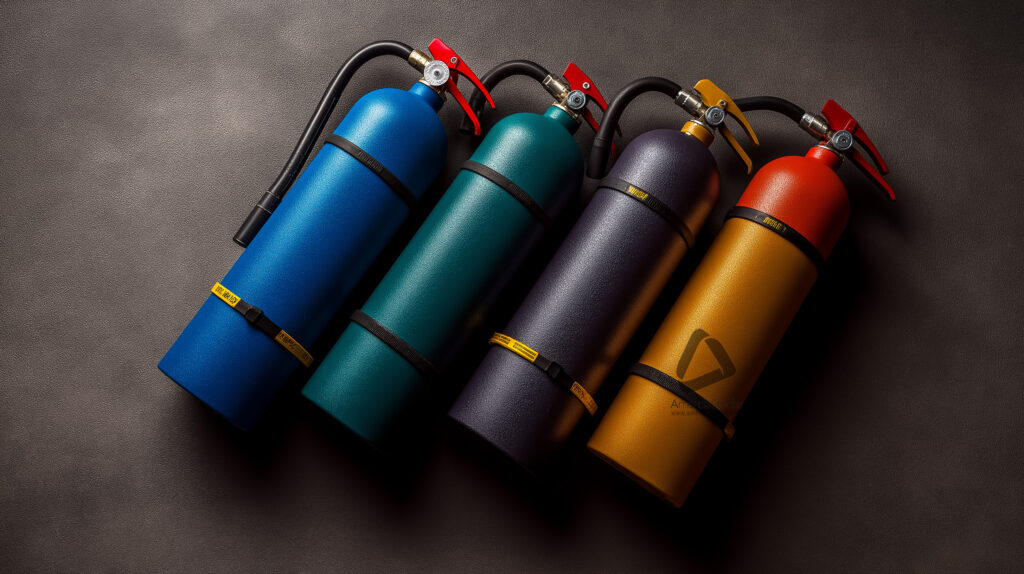
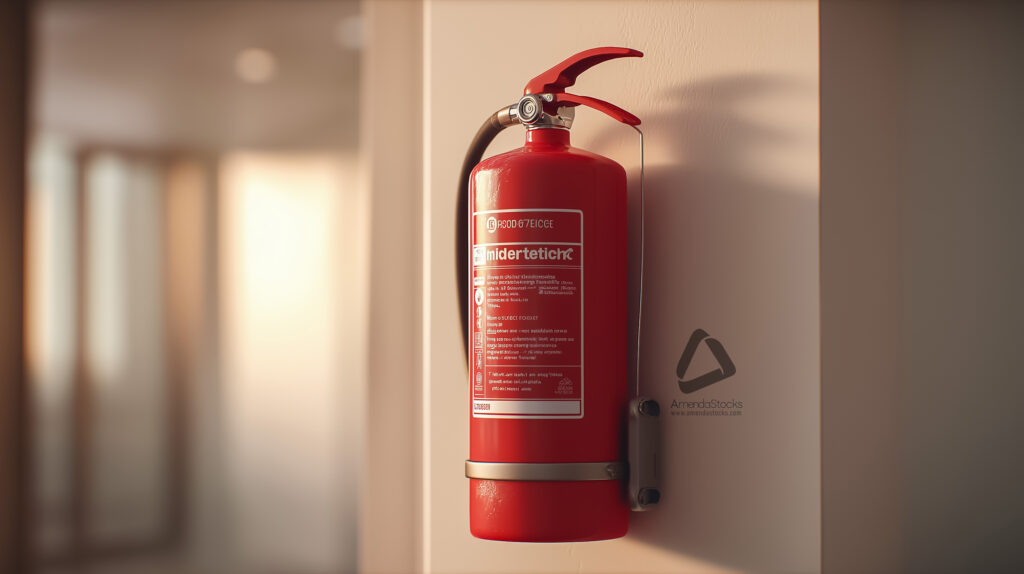
Water Extinguishers (Red Label)
These are the classics, and they’re great for ordinary fires—burning paper, wood, that sort of thing. Water cools everything down and puts out the flames effectively.
But here’s the catch: never use these on electrical fires, burning liquids, or grease fires. Water and electricity don’t mix, and water will just spread burning liquids around.
Best places? Offices, schools, warehouses, or anywhere with lots of paper and wood.
Foam Extinguishers (Cream Label)
Think of foam as an upgrade from water. It handles Class A fires just fine, but it also works on flammable liquids by creating a blanket over them that starves the fire of oxygen.
You still can’t use these on electrical equipment, metal fires, or kitchen grease, though.
These are solid all-rounders for most businesses, especially if you store any flammable liquids on site.
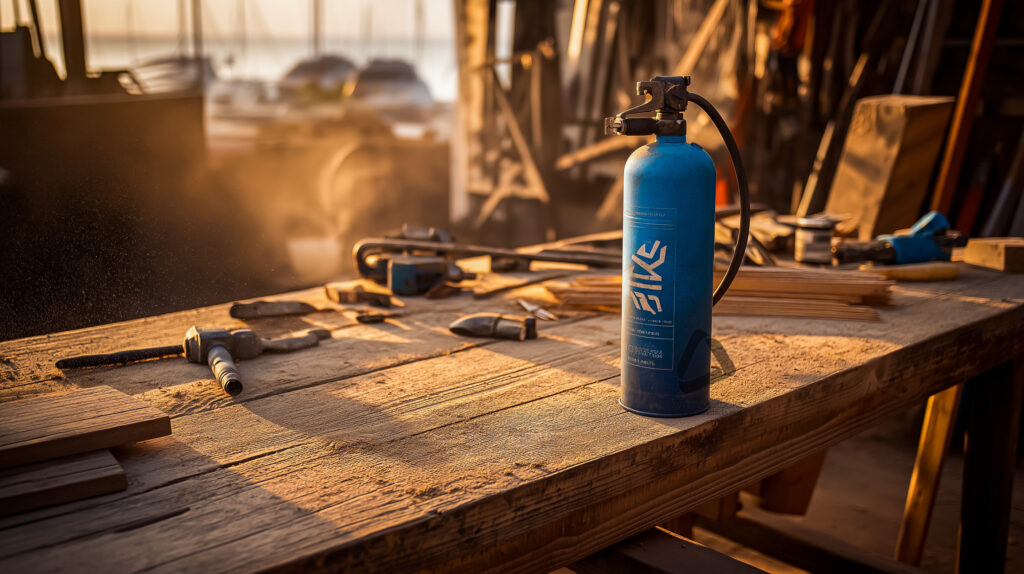
Dry Powder Extinguishers (Blue Label)
These are the multi-taskers of the extinguisher world. Standard ABC powder works on solid materials, liquids, and gases. There are even specialist powders for metal fires.
The downside? They’re messy. Really messy. The powder gets everywhere and can be hard to clean up. They’re also not great in small, enclosed spaces because the powder can make it hard to breathe.
Best for outdoor areas, workshops, or industrial settings. Keep them away from offices and homes if you can.
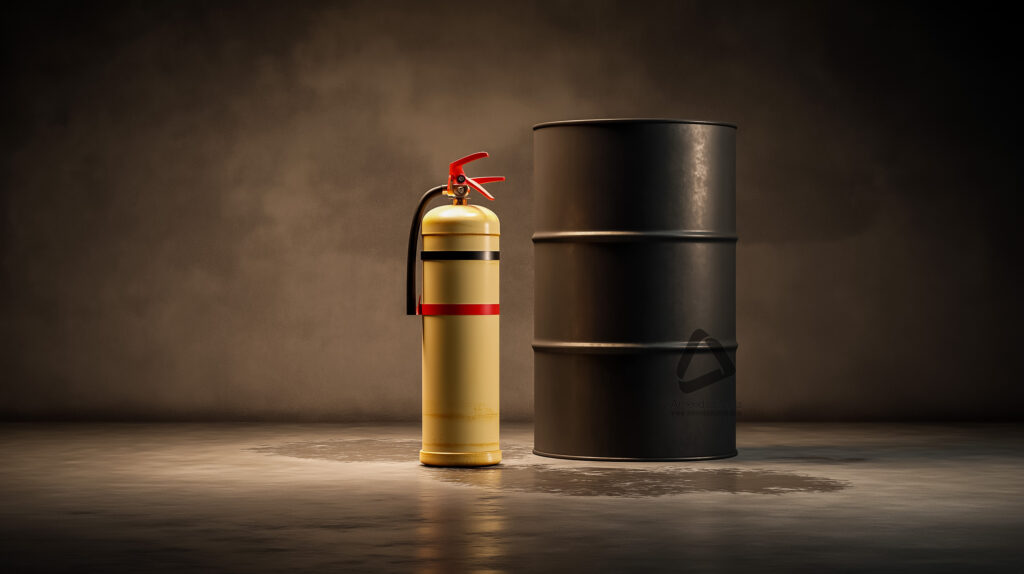
CO2 Extinguishers (Black Label)
Carbon dioxide extinguishers are perfect for electrical fires and flammable liquids. They work by pushing all the oxygen away from the fire, essentially suffocating it. Plus, they leave no residue, which is great for expensive equipment.
Just don’t use them on burning paper, wood, or cooking oil—they won’t be effective.
Every server room, electrical panel area, and modern office should have at least one of these nearby.
Wet Chemical Extinguishers (Yellow Label)
If you cook with oil or have a commercial kitchen, this is your must-have. Wet chemical extinguishers create a cooling foam layer on burning oil that cuts off the oxygen supply and prevents re-ignition.
They also work fine on Class A fires, but they’re really designed with kitchens in mind.
Any restaurant, café, or workplace canteen needs these near the cooking area.
Water Mist Extinguishers
These are the new kids on the block and they’re pretty clever. They spray microscopic water droplets that cool fires down without conducting electricity or spreading flames. Some can even handle electrical fires and cooking oil fires.
They’re becoming popular as safer, more versatile options for homes and mixed-use spaces.

Quick Reference: What Works Where
Here’s a cheat sheet you can bookmark:
- Burning paper, wood, fabric? Water, Foam, or Dry Powder
- Flammable liquids spilled? Foam, CO2, or Dry Powder
- Gas leak fire? Dry Powder or CO2
- Metal fire? Specialist Dry Powder only
- Electrical equipment? CO2 or special Dry Powder
- Cooking oil fire? Wet Chemical or Water Mist
How to Actually Choose What You Need
Step one: Walk around your space and really look at what’s there. What materials could burn? What equipment do you have? Be thorough.
Step two: Match what you found to the fire classes above. Most places need more than one type of extinguisher.
Step three: Buy quality. Look for certified, approved products. Cheap ones aren’t worth the risk, and your insurance company will care about this too.
Step four: Train everyone. An extinguisher is useless if nobody knows how to use it or where to find it. Make this part of your routine.
Don’t Make These Mistakes
I’ve seen people grab a water extinguisher for an electrical fire—it’s dangerous and could get someone killed. Never use water on anything electrical or liquid-based.
Also, don’t be a hero. If a fire is big or spreading fast, get out and call the professionals. Extinguishers are for small fires that you catch early.
And please, don’t forget maintenance. Extinguishers need regular checks. An expired or damaged extinguisher is just decorative.

The Bottom Line
Choosing the right fire extinguisher isn’t complicated once you understand the basics. Think about what’s in your space, match it to the right extinguisher type, and make sure everyone knows how to use them.
Your situation might change over time—new equipment, different materials, layout changes—so review your setup every now and then. When in doubt, talk to a fire safety professional. Many suppliers offer free assessments.
At the end of the day, this isn’t about checking boxes or following rules (though those matter too). It’s about making sure you, your family, or your coworkers can respond quickly and safely if something goes wrong. That peace of mind is worth the effort.