Let’s talk about (workplace accessibility) something that matters: making our workplaces work for everyone. Not just because it’s the right thing to do (though it absolutely is), but because it’s what makes businesses thrive.
Beyond the Checklist
Remember when accessibility meant installing a ramp and calling it a day? We’ve moved way past that. Sure, those physical modifications are important, but real accessibility runs much deeper. It’s about creating spaces where everyone can actually participate and contribute, not just technically enter the building.
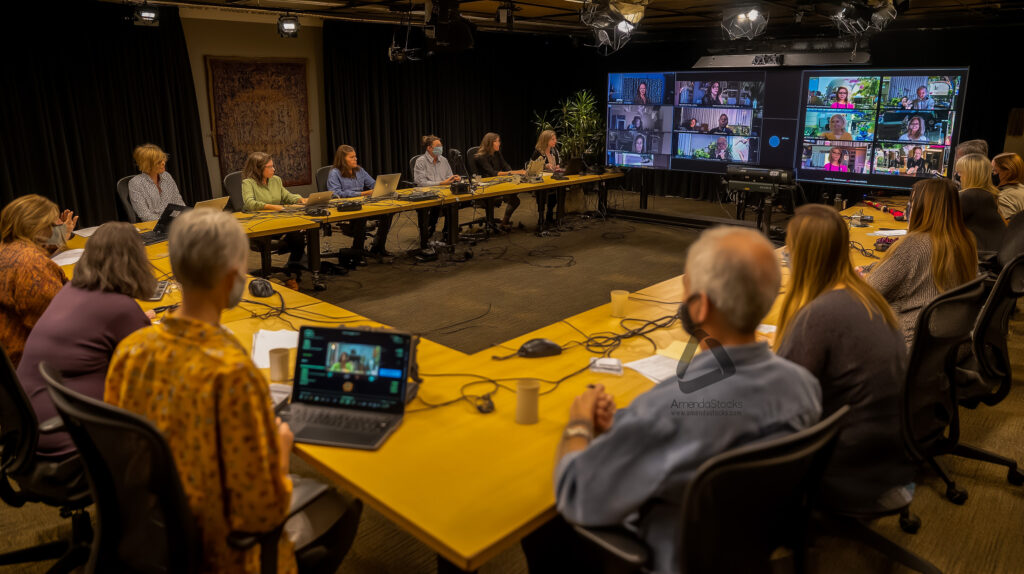
Think about it this way: a truly accessible office isn’t one where you’ve reluctantly added accommodations. It’s one where accessibility is just… built in. The meeting rooms naturally work for people with different mobility needs. Your tech systems support screen readers without anyone having to ask. Your policies consider that people have different sensory needs and mental health requirements. It’s all just part of how things work.
Seeing Ourselves in the Story
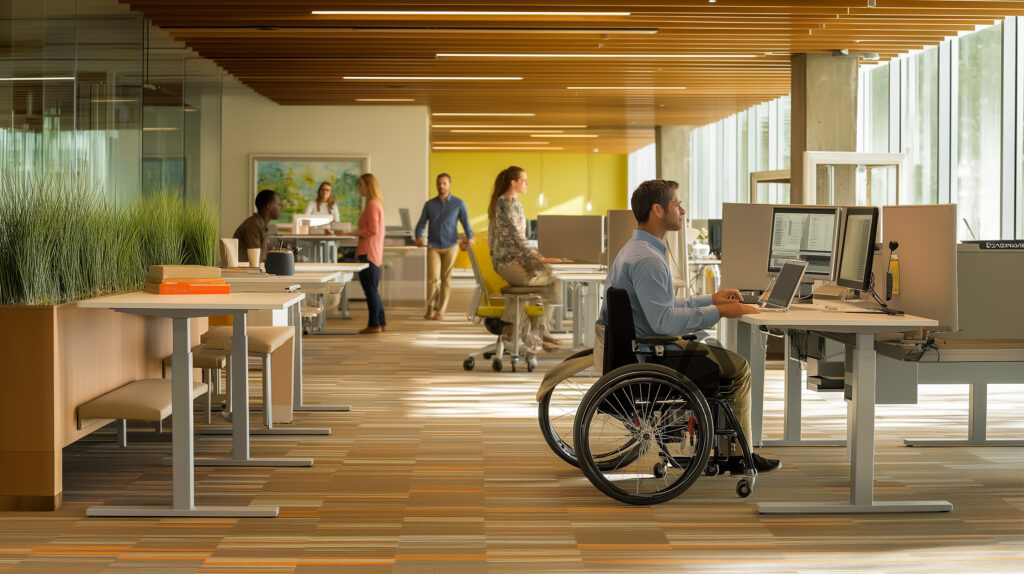
Here’s something interesting happening in the visual world. Browse through stock photo sites lately, and you’ll notice more people with disabilities doing regular work stuff. Not posed dramatically, not making disability the whole story—just people working, leading meetings, collaborating with their teams.
A professional using a screen reader to analyze data. A manager in a wheelchair running a brainstorming session. Someone signing during a video call. These aren’t special scenarios anymore. They’re just Tuesday at the office. And when we see disability represented this way—as a normal part of professional life—it changes how we all think about who belongs in the workplace.
What Actually Works
So how do you build an accessible workplace? It takes thinking through a few different layers:
The physical space needs to accommodate wheelchairs, mobility aids, and other assistive devices without making it feel like an afterthought. Adjustable desks, accessible bathrooms, hallways wide enough to navigate comfortably, doors that open with voice commands—these aren’t nice-to-haves. They’re basics.
Your digital tools need to work for everyone too. Screen reader compatibility, voice dictation, captions on video calls, keyboard navigation throughout your systems. When you build this in from the start, everyone who needs these features can just get to work.
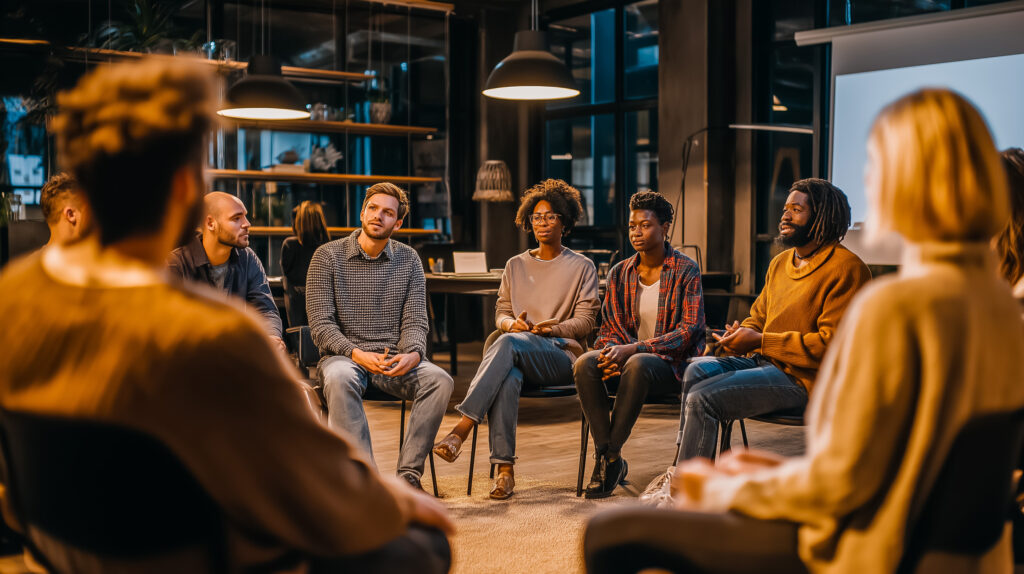
The culture piece might be the trickiest but most important. Flexible schedules, remote work options when possible, training that helps everyone understand different needs. Celebrating disability awareness moments. Creating spaces where people can talk openly about what would help them do their best work.

The Real-World Impact
Companies that get this right see something interesting happen. People stick around longer. Teams solve problems more creatively. Employee satisfaction goes up. You hear stories about professionals with disabilities who move into leadership roles, drive major projects, mentor others—not despite their disability, but because the workplace actually lets them do their thing.
These aren’t feel-good stories meant to inspire (though they might). They’re just what happens when you remove the barriers that were getting in people’s way.
Why Share This Story?
If you’re creating content about workplace accessibility, make sure people can actually find it. Use terms people search for like “inclusive workplace” and “accessibility best practices.” More importantly, use descriptive alt text on images, clear headers, properly labeled links. Practice what you’re preaching, basically.
On social media, share real stories. Show the actual people doing the actual work. Make accessibility a regular topic, not a once-a-year thing. Let it be obvious that this is core to how you operate, not something you wheeled out for a campaign.

Where We Go From Here
Here’s the bottom line: the best workplaces are ones where everyone can contribute. That only happens when accessibility isn’t an add-on or an afterthought—it’s just how you build things.
Whether you’re running a three-person startup or managing a global company, the future belongs to organizations that make accessibility non-negotiable. Show people with disabilities in real, varied, empowered roles. Back it up with actual accessible design and support systems. Mean it when you say everyone belongs.
Because accessibility isn’t an obstacle to overcome. It’s how we all move forward together.


Pingback: LGBTQ+ meaning