
Walk into the control center at Tianjin Port today, and you’ll see something remarkable: dozens of screens displaying real-time data from across one of the world’s busiest ports, with just a handful of operators monitoring it all. Outside, massive cranes move containers with choreographed precision while Tianjin Port smart automation zip across the terminals. There’s barely a human in sight on the docks themselves.
This isn’t science fiction. It’s the new reality at Tianjin Port, where China is showing the world what the future of shipping looks like.
From Busy Port to Smart Port
Situated in northern China, Tianjin Port has long been a critical gateway for international trade. But in recent years, something extraordinary has been happening here. The port has embarked on an ambitious journey to automate virtually everything, transforming itself from a traditional maritime hub into something that feels more like a tech campus than a shipping terminal.
By mid-2025, the transformation was essentially complete. Both container and bulk terminals now operate with full intelligent automation, making Tianjin a living blueprint for what modern ports can achieve.
The Technology Making It All Possible
So what’s actually driving this transformation? It comes down to a powerful combination of technologies working in concert.
Artificial intelligence is the brains of the operation. AI systems analyze mountains of data in real-time, figuring out the most efficient ways to move containers, predicting where bottlenecks might occur, and constantly fine-tuning operations. It’s like having a super-intelligent traffic controller who never sleeps and learns something new every minute.
5G networks serve as the nervous system, connecting everything from the massive quay cranes to the scuttling transport robots. This lightning-fast connectivity means there’s virtually no delay between a command being issued and equipment responding. When you’re coordinating hundreds of moving parts, that instant communication is crucial.
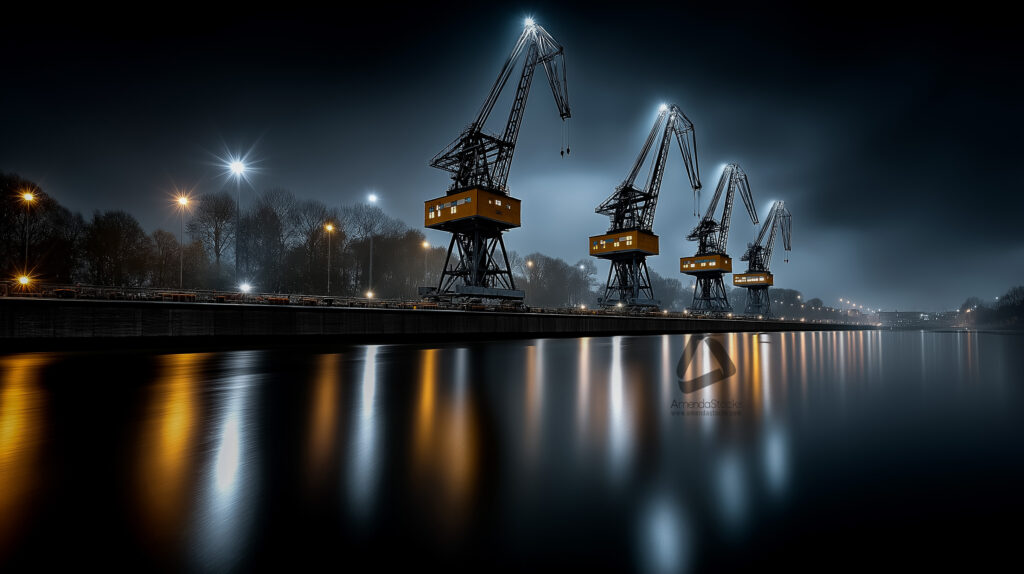
Then there are the robots themselves—fleets of unmanned vehicles that glide around the terminals, moving containers with millimeter precision. Automated cranes swing into action the moment a ship docks, working in perfect synchronization without a single operator perched high above the deck.
The Results Speak for Themselves
The numbers are genuinely impressive. As of June 2025, more than 88 percent of the port’s large container equipment operates automatically. That’s not just a few showcase terminals—it’s nearly the entire operation running on smart technology.
The payoff? Operations are running 15 percent more efficiently than before. Ships spend less time at berth. Containers move faster. The whole supply chain speeds up, and that matters tremendously in an industry where time literally is money.
Perhaps most striking is how few people are needed on the ground now. From those centralized control rooms, small teams can oversee operations that once required hundreds of workers spread across the terminals. It’s not about replacing people so much as reimagining what they do—shifting from manual labor to technical oversight.
Going Green While Going Digital
Here’s something that often gets overlooked in discussions about automation: it’s actually good for the environment. Tianjin Port’s smart transformation isn’t just about efficiency—it’s about sustainability too.
Think about it: when AI optimizes every movement, equipment doesn’t waste fuel on unnecessary trips. Machines don’t sit idling between tasks. The entire operation becomes leaner and cleaner. The result is a measurable drop in carbon emissions, which is no small achievement for a facility that handles millions of tons of cargo.
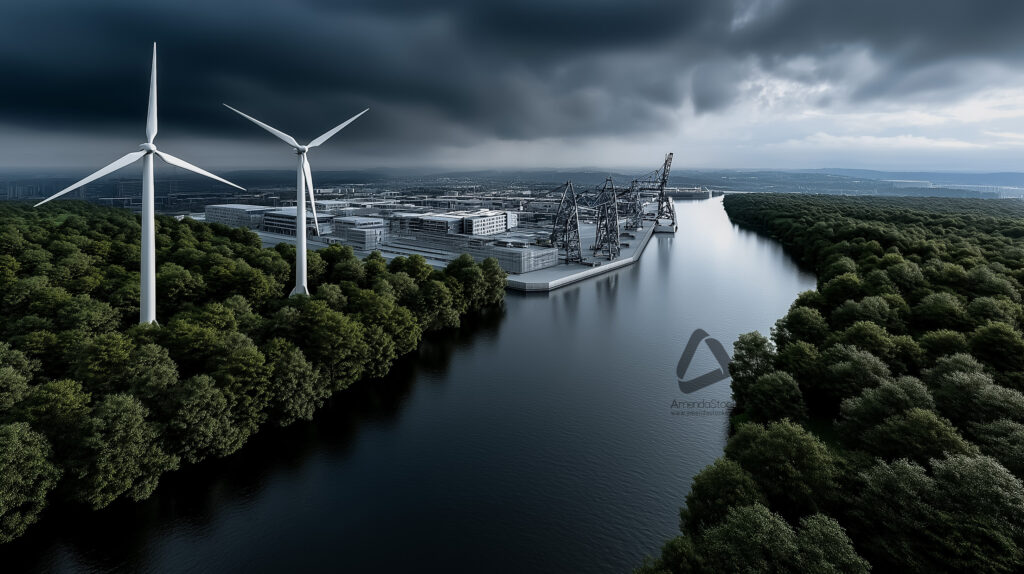
The port is also integrating renewable energy sources into its automated systems. Combined with AI-driven efficiency, these changes represent a genuine shift toward greener shipping—proof that environmental responsibility and operational excellence can go hand in hand.
There’s even an environmental benefit you might not expect: AI-powered predictive maintenance. By identifying equipment issues before they become failures, the port extends the life of expensive machinery and reduces waste. It’s the kind of win-win that makes you wonder why we didn’t automate sooner.
China’s Bigger Picture
Tianjin isn’t working in isolation. Other major Chinese ports—Qingdao, Ningbo-Zhoushan, Shanghai—are following similar paths. Together, they’re creating a network of intelligent ports that’s strengthening China’s position in global trade.
The implications stretch far beyond China’s borders. As these technologies prove themselves at scale, they’re being adopted by ports worldwide. Tianjin’s success is accelerating a global shift toward smarter, more automated maritime operations. In a very real sense, what’s happening here today is shaping how goods will move around the world tomorrow.
The Challenges That Remain
Of course, this kind of sweeping change doesn’t come without challenges. Integrating cutting-edge systems with older infrastructure requires careful planning. Roll things out too fast, and you risk disrupting operations. Move too slowly, and you lose competitive advantage.
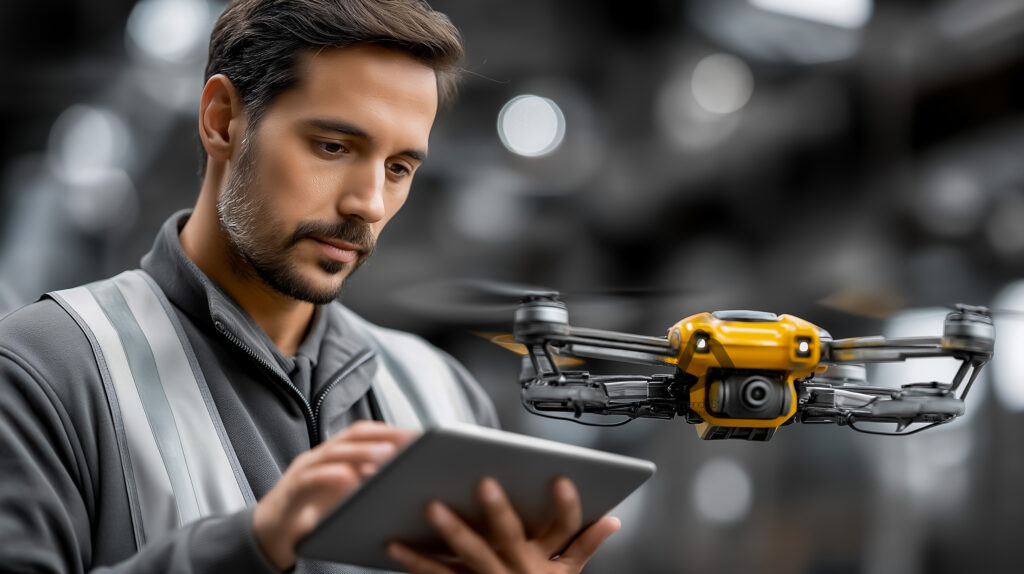
Then there’s the human factor. Yes, automation reduces the need for manual labor, but it creates a different kind of demand—for skilled technicians and engineers who can manage these sophisticated digital systems. Ports need to invest not just in technology but in training the workforce of tomorrow.
And we can’t ignore cybersecurity. When an entire port runs on connected digital systems, protecting that network from potential attacks becomes absolutely critical. It’s a new kind of vulnerability that requires constant vigilance.
Still, Tianjin’s progress shows these obstacles aren’t insurmountable. With the right investment and vision, ports can navigate the transition successfully.
What This Means for the Future
Tianjin Port has become more than just a success story—it’s a glimpse into the future of global shipping. The combination of AI, robotics, 5G, and renewable energy isn’t just making ports more efficient; it’s fundamentally reimagining what’s possible in maritime logistics.
As shipping continues to grow and environmental pressures mount, the model pioneered at Tianjin offers a path forward. Faster operations, reduced emissions, greater capacity—these aren’t competing priorities anymore. Smart port technology shows we can have all three.
The revolution happening at Tianjin Port today is setting the template for ports everywhere. And as more facilities around the world follow this lead, we’re moving toward a future where global trade flows faster, cleaner, and smarter than ever before.
The age of the smart port has arrived, and it’s being built in China.