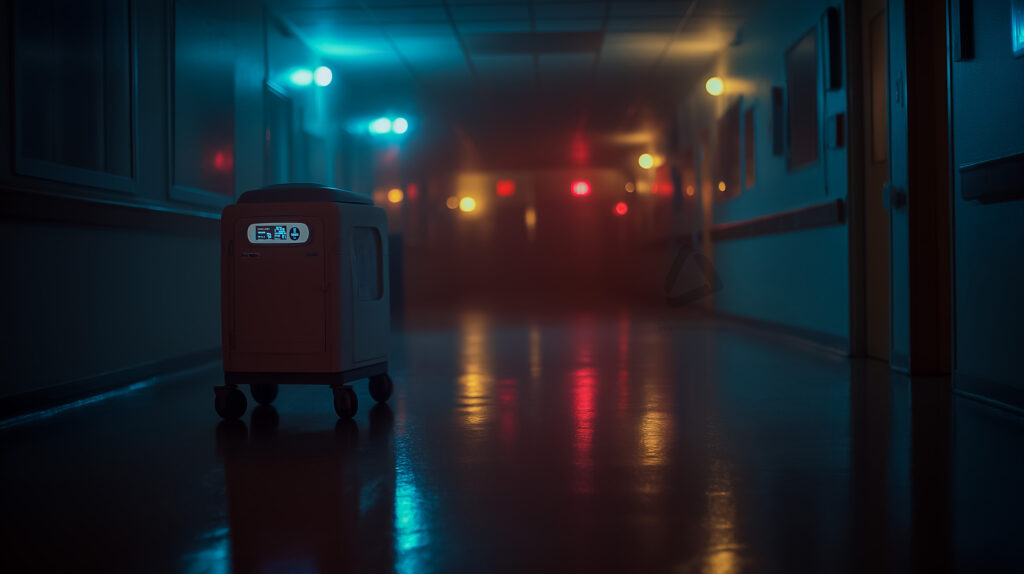
Picture this: You’re sitting in a hospital waiting room when suddenly, everything goes dark. The hum of machines stops. The fluorescent lights flicker out. For a moment, there’s an eerie silence before the backup generators kick in—if they work at all. Let’s see hospitals without electricity..
For most of us, a power outage at home means grabbing candles and waiting it out. But in a hospital? It’s a completely different story. When electricity fails in a healthcare facility, it’s not just inconvenient—it can be deadly.

The Machines That Keep People Alive
Walk through any hospital ward, and you’ll see them everywhere: machines quietly doing their work. Ventilators breathing for patients who can’t breathe on their own. Heart monitors beeping steadily with each pulse. Dialysis machines filtering blood for failing kidneys. These aren’t just fancy equipment—they’re lifelines.
When the power cuts out, these machines stop. Just like that. A patient on a ventilator has maybe a few minutes before things get critical. Someone in the middle of dialysis? Their treatment stops mid-session, which can trigger dangerous complications. It’s terrifying to think about, but it happens more often than you’d imagine.

The Domino Effect Nobody Talks About
Here’s something most people don’t realize: it’s not just the big machines that matter. Think about the refrigerators humming away in hospital pharmacies and labs. They’re storing vaccines, insulin, chemotherapy drugs, blood supplies—medications that people literally depend on to stay alive.
When those fridges lose power, the clock starts ticking. Vaccines start warming up and becoming useless. Insulin degrades. That carefully stored blood for tomorrow’s surgery? It might not be safe to use anymore. One power outage can wipe out weeks or months worth of medical supplies in just a few hours.
Surgery? Not Without Electricity
Imagine being a surgeon, mid-operation, when the lights go out. It sounds like something from a horror movie, but it’s a real nightmare scenario that medical teams train for. Operating rooms need constant, bright lighting. They need monitors showing vital signs. They need ventilators, suction devices, cauterizing tools—the list goes on.
Without power, surgeries get canceled. Emergency procedures become incredibly risky. Even the air filtration systems that keep operating rooms sterile shut down, meaning infections become a serious threat during any procedure. What should be a controlled, safe environment becomes hazardous.

When It Really Happened: A Wake-Up Call
Back in August 2003, a massive blackout hit parts of the U.S. and Canada. Millions of people lost power, including dozens of hospitals. Most had backup generators, but here’s the thing about backup systems—they’re not designed to run forever.
Hospital staff found themselves working by flashlight. Surgeries got postponed. Patients who could be safely moved were transferred to other facilities. The backup generators kept the absolute essentials running, but everything else? It had to wait. And this happened in wealthy countries with relatively robust infrastructure.
In many developing nations, this isn’t a once-in-a-lifetime event—it’s Tuesday. In countries like Pakistan and Nigeria, hospitals deal with frequent, prolonged outages. Generators run out of fuel. Doctors and nurses do their best with whatever resources they have. Patients suffer because of circumstances completely beyond their control.
The ER Becomes a Waiting Room
Emergency rooms are organized chaos on the best days. But without electricity? They can barely function.
No power means no quick blood tests. No X-rays or CT scans to diagnose internal injuries. No way to rapidly assess what’s wrong with a patient who just came in after a car accident. Medical staff are left making educated guesses in situations where every second counts.
The automatic doors stop working. The computer systems that track patient records go down. Even something as simple as charging a phone to call a patient’s family becomes impossible. It’s like trying to run a modern hospital with equipment from a century ago.

How Hospitals Try to Prepare
Most hospitals don’t just sit around hoping the power stays on. They invest in backup plans—mainly diesel generators that kick in automatically when the main power fails. These can keep critical systems running for hours or even days, depending on how much fuel they have stored.
More forward-thinking facilities are installing solar panels, battery storage systems, and even small wind turbines. These renewable options are cleaner and, in the long run, more reliable than depending entirely on fuel that might run out during an emergency.
Some hospitals in areas with reliable water sources are looking at small hydropower systems. The goal is always the same: keep the lights on and the machines running, no matter what’s happening with the electrical grid outside.
But here’s the catch—all these backup systems are expensive. Not every hospital can afford them, especially in poorer regions where they’re needed most.
Before Electricity: A Different Kind of Medicine
It’s hard to imagine now, but hospitals once operated entirely without electricity. Surgeons scheduled operations during daylight hours so they could see what they were doing. There was no way to sterilize equipment properly, so infection rates were sky-high. Forget about intensive care units or life support—if you were critically ill, you either recovered on your own or you didn’t.
Medical records were handwritten ledgers. If a doctor needed to consult with a specialist, they sent a messenger on foot or horseback. Everything moved slower, and honestly, a lot more people died from things we can easily treat today.
We can’t go back to that world. Our population is too large, our medical needs too complex. Today’s healthcare absolutely requires reliable electricity, and there’s no way around it.

Why This Matters to Everyone
You might be thinking, “Okay, but I’m healthy. Why should I care about hospital power issues?”
Here’s why: emergencies don’t announce themselves. That hospital without reliable power could be the one you need after a car accident, a sudden illness, or when someone you love goes into labor with complications. When healthcare infrastructure fails, it fails for everyone.
Beyond personal risk, there’s the bigger picture. When hospitals can’t store vaccines properly, entire communities become vulnerable to disease outbreaks. When chronic disease patients can’t get their regular treatments because medications spoiled during an outage, healthcare costs skyrocket as preventable problems become emergencies.
What Needs to Happen
The solution isn’t simple, but it’s clear: hospitals need reliable, resilient power systems that don’t depend on a single source. That means:
- Governments investing in stable electrical grids
- Healthcare facilities installing diverse backup systems—not just generators
- More emphasis on renewable energy that can operate independently
- Regular testing and maintenance of emergency systems
- Better fuel storage and supply chains for generator-dependent facilities
It also means recognizing that healthcare infrastructure isn’t separate from other community needs. Reliable power for hospitals means reliable power for everyone, which lifts up entire regions.
The Bottom Line
When hospital lights go out, lives hang in the balance. It’s not dramatic exaggeration—it’s simple fact. Every ventilator, every vaccine refrigerator, every surgical light, every monitoring system depends on that steady flow of electricity.
We’ve built a modern healthcare system that performs miracles daily. We can save premature babies, transplant organs, cure diseases that once meant certain death. But all of that depends on one unglamorous, often overlooked necessity: keeping the power on.
The conversation about hospital electricity isn’t just about infrastructure or technology. It’s about whether we value human life enough to ensure that healthcare facilities can function when people need them most—especially during the disasters and emergencies when power is most likely to fail.
Because in the end, those machines aren’t just humming away in hospital rooms. They’re keeping someone’s mother breathing, someone’s child’s heart beating, someone’s partner alive through the night. And they can only do that if we keep the lights on.