

When we think about smoking, we often picture an individual choice with personal consequences. But the reality is far more reaching than that. Every cigarette lit today sends ripples into the future, affecting not just the smoker but their children, grandchildren, and the generations yet to come. Lets see how smoking effects on future generations.
A Troubling Shift: Kids Are Starting Younger
Something worrying has changed over the past few decades. Smoking used to be primarily an adult habit, but now we’re seeing teenagers—even young girls—picking up cigarettes earlier than ever before. This trend is particularly pronounced in countries like India, where youth tobacco use has jumped significantly.
Dr. Vijay Varat, a pediatric allergist and immunologist who works with these young patients, sees the consequences firsthand. “When adolescents start smoking, they’re exposing developing lungs and immune systems to toxins at the worst possible time,” he explains. The result? Chronic respiratory diseases like COPD and asthma that used to show up in elderly patients are now appearing in people barely into their thirties. Instead of enjoying active, healthy young adulthoods, these individuals are already struggling with breathlessness and constant infections.
The Silent Victims: Children in Smoking Households
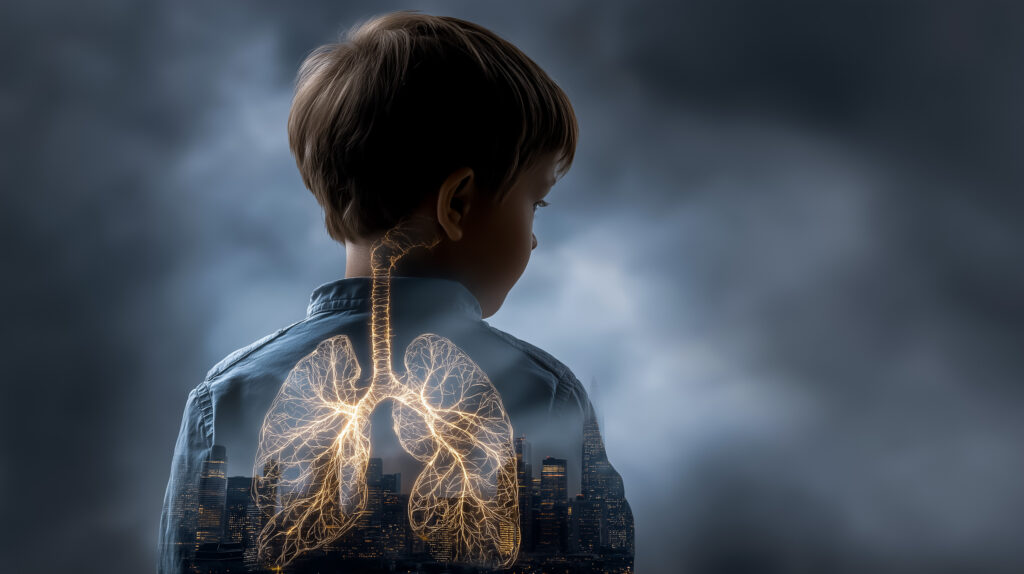
Perhaps the cruelest aspect of tobacco use is how it affects those who never chose to smoke at all. Children growing up in homes where parents or relatives smoke face constant exposure to secondhand smoke, which doesn’t just disappear when someone finishes a cigarette. The toxins cling to clothing, furniture, and walls, creating an invisible but persistent threat.
These kids suffer from more respiratory allergies, worse asthma attacks, and tragically, higher rates of infant mortality. In places where families already deal with indoor air pollution from cooking fires, the combined effect becomes even more dangerous. Beyond breathing problems, tobacco toxins weaken children’s immune systems and damage their skin and digestive health, setting them up for a lifetime of vulnerability to illness.
The Long Game: Diseases That Show Up Decades Later
The health toll of smoking doesn’t arrive all at once—it accumulates silently over years. Today’s teenage smoker becomes tomorrow’s cancer patient, heart disease sufferer, or COPD case requiring round-the-clock oxygen therapy. In cities like Pune, India, doctors are treating middle-aged adults with severe chronic lung disease, many of whom started smoking as teenagers or were exposed to heavy pollution throughout their lives.
What’s particularly concerning is how these lung diseases often lead to heart problems as well. The body is interconnected, and when the respiratory system struggles, the cardiovascular system pays the price too. We’re looking at a future where more people in the prime of their lives are managing multiple chronic illnesses simultaneously.
Breaking Free Is Harder Than It Looks
Anyone who’s tried to quit smoking—or watched a loved one try—knows that nicotine addiction is brutally difficult to overcome. When young people get hooked early, those addiction patterns dig in deep and often last a lifetime. It affects how they parent, potentially exposing their own children to smoke and normalizing tobacco use for the next generation.
The addiction itself causes immediate problems too: irritability, sleep disturbances, trouble concentrating, and behavioral issues. But recent genetic research has revealed something even more troubling. Smoking doesn’t just affect the smoker—it can actually alter genes in ways that get passed down. Children and grandchildren of smokers face higher risks of chronic inflammatory diseases and developmental disabilities, even if they never touch a cigarette themselves.
This means the smoking happening today is literally shaping the health of people who haven’t even been born yet.

What Can Actually Make a Difference?
So what do we do with all this sobering information? According to Dr. Varat and other public health experts, fighting tobacco requires action on multiple fronts, starting right at home.
Education needs to begin early, with honest conversations about tobacco’s real effects. Communities need to get involved, creating social environments where smoking isn’t normalized or glamorized. And governments must step up with policies that actually work: banning tobacco advertising, raising taxes on cigarettes to make them less affordable, creating designated smoking areas far from where kids play and families gather, and funding programs that help people quit.
On a personal level, replacing the smoking habit with healthier activities—exercise, sports, hobbies—can help reduce cravings and make quitting more achievable. It’s not easy, but it’s necessary.
In countries where tobacco use is deeply woven into the cultural and social fabric, sustained education campaigns and consistent law enforcement become absolutely critical. The goal isn’t just to shame smokers but to protect kids from ever starting and shield non-smokers from exposure.
The Bottom Line
Continued smoking across generations isn’t just going to cause a few more health problems—it’s setting us up for a public health catastrophe. More children with damaged lungs, more young adults with chronic diseases, more families trapped in cycles of addiction they can’t break.
But here’s the thing: this future isn’t inevitable. Every person who quits, every policy that passes, every conversation that changes a young person’s mind about that first cigarette—these things matter. Tobacco use might feel like a personal choice, but its consequences ripple outward through families and communities for generations.
The question we face isn’t whether we should act, but whether we’ll act quickly enough to spare the next generation from inheriting our mistakes. The children of tomorrow deserve to breathe clean air and live healthy lives. That future starts with the choices we make today.