
Sri Lanka is a top biodiversity hotspot. Nature lovers can spot rare animals here. Tourists see these creatures in their natural habitats. The best seasons and locations for each species will differ.
Sri Lanka’s Rarest Animal Species
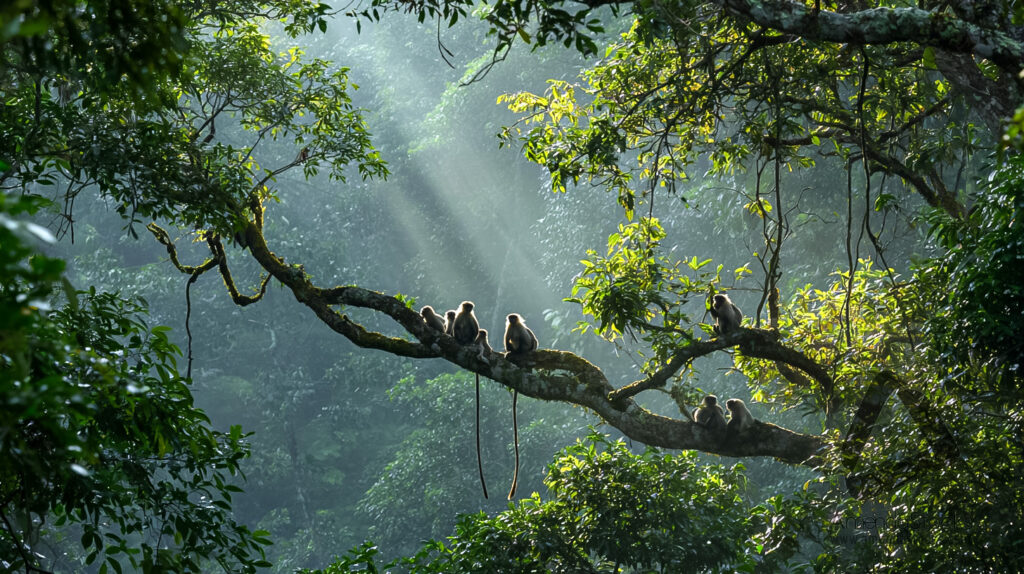
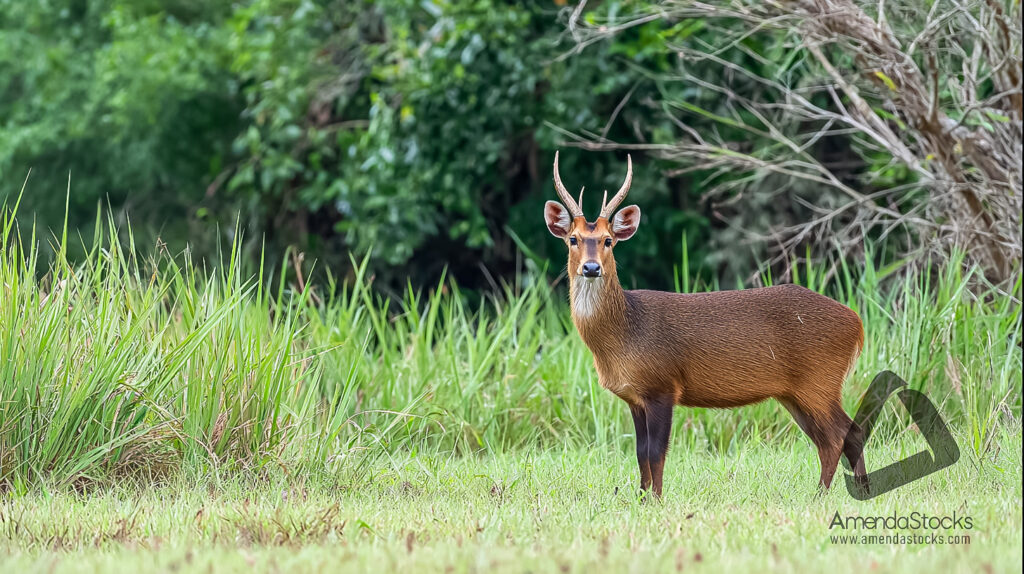
Sri Lanka is home to rare and endemic mammals. These include the Red Slender Loris, Purple-faced Langur, Toque Macaque, and Sri Lankan Leopard. Other rare species are the Sloth Bear, Rusty-spotted Cat, and Hog Deer. The coastal waters have large cetaceans like Blue Whales and Spinner Dolphins. Marine wildlife tours add excitement to visits.
Where to See These Rare Animals
- Sinharaja Forest Reserve: The best spot for the Purple-faced Langur, Dusky Palm Squirrel, and dozens of endemic bird and amphibian species.
- Yala National Park: Renowned for its high density of Sri Lankan leopards, and is also home to Sloth Bears, Leopard Cats, and Fishing Cats.
- Galle District, near Bentota and Gin rivers, is the only place to see the critically endangered Hog Deer. They live seasonally in human-modified landscapes there.
- Minneriya and Kaudulla National Parks: Famous for “The Gathering,” a seasonal congregation of Asian Elephants between July and September.
- Udawalawe National Park: Excellent for large herds of Asian elephants year-round, with almost guaranteed sightings around the Walawe Reservoir.
- Mirissa (South Coast): Prime whale watching area, especially for Blue Whales and other marine mammals.

Best Time Periods for Wildlife Observations
- Leopards and other predators: March to October is the peak time in Yala National Park when water levels drop and animals gather by lakes.
- Sloth Bears: May, June, and July are the best months in Yala and Wilpattu when Palu trees bear fruit, drawing bears out.
- Bird Watching (including migratory and endemic species): November to April offers excellent opportunities in Sinharaja and other reserves due to the influx of migratory species.
- Elephant Gathering: July to September at Minneriya National Park sees herds of up to 300 elephants gather at the reservoir.
- Blue Whale Watching: December to March (and sometimes August to October) off the coast of Mirissa.
- Sinharaja Rainforest Access: August to September and January to April are most suitable for unguided forest walks and rare mammal spotting.

Travel Tips for Wildlife Safaris
- Always travel with a local guide for the safest and most ethical wildlife viewing experience; many parks have strict rules about vehicle movement and animal disturbance.
- Early morning and late afternoon safaris offer the highest chances of encountering elusive species.
- Book wildlife tours and accommodations well in advance during peak wildlife seasons, especially for the Elephant Gathering and Blue Whale watching.
Sri Lanka’s unique fauna includes some of the world’s rarest animals. It is a top wildlife tourism spot. Visitors can see these species at their best. The best time and place vary by animal.