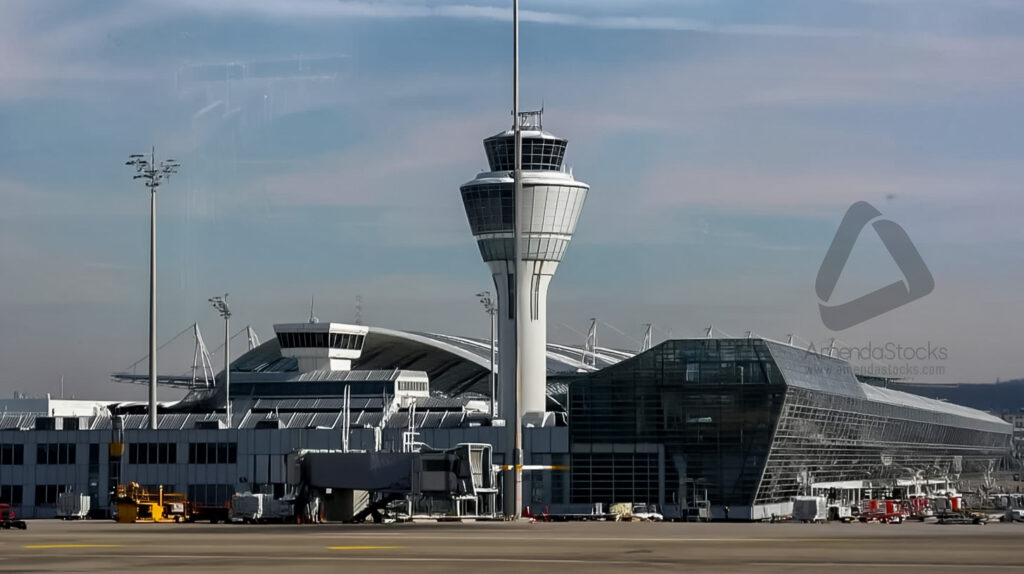
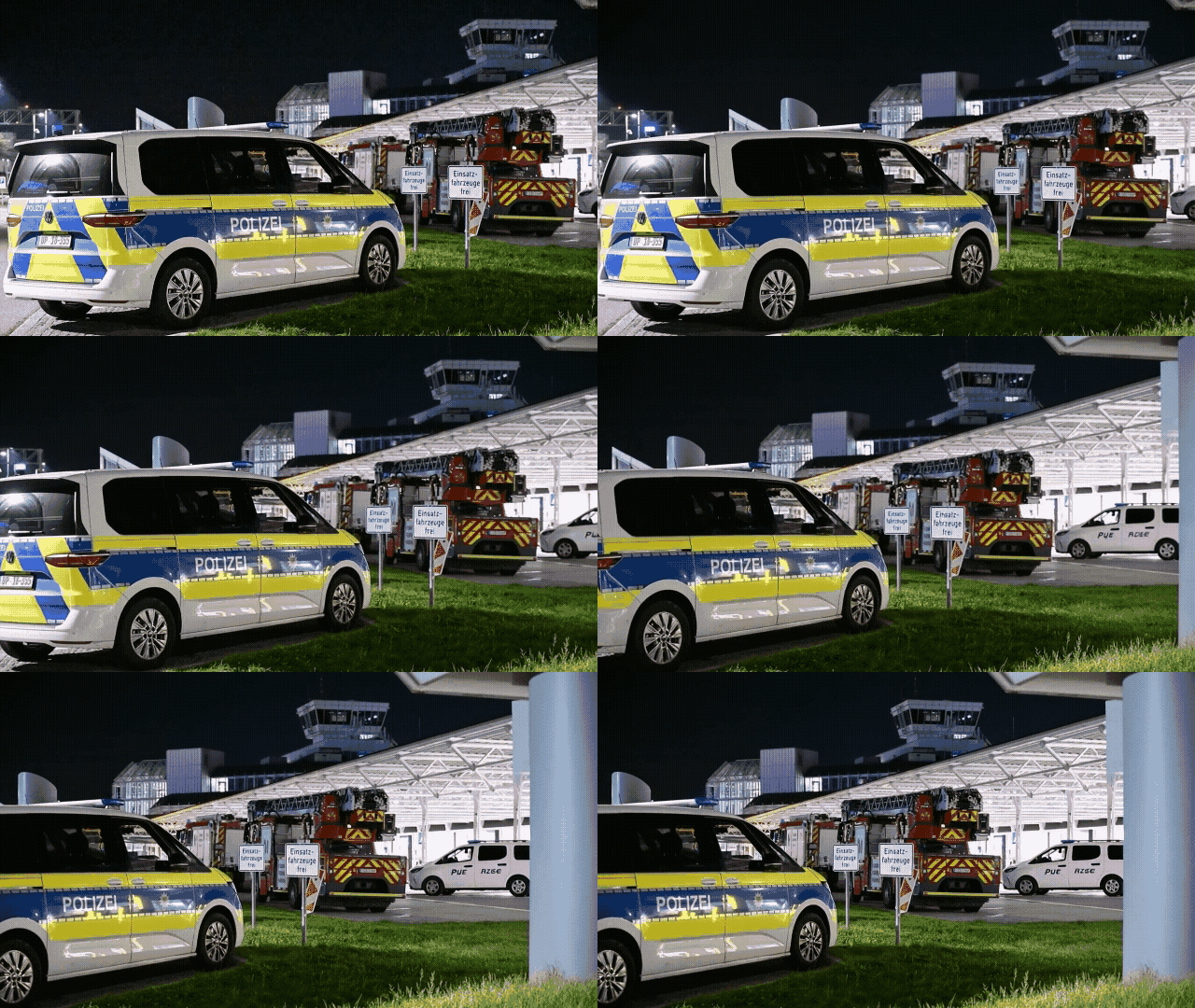
Germany’s Munich Airport became the latest European aviation facility to face a security disruption. Multiple drone sightings forced authorities to suspend flight operations for nearly seven hours overnight. The incident impacted thousands of travelers. It highlighted the growing threat of unmanned aircraft to critical infrastructure across Europe.
Major Flight Disruptions Impact Nearly 3,000 Passengers
The incident started at 10:18 PM on Thursday, October 2, 2025, when German air traffic control restricted flights at Munich Airport after multiple drone sightings. The restrictions soon expanded into a full suspension of all departures and arrivals as more drones were reported over the airport.
The disruption led to 17 flight cancellations and inconvenienced about 3,000 passengers who had to remain at the airport overnight. In addition, 15 incoming flights were redirected to destinations such as Stuttgart, Nuremberg, Vienna, and Frankfurt, with tracking data showing several aircraft circling before continuing to these alternate airports.
Munich Airport, together with the airlines, introduced passenger support measures by placing camp beds in the terminals and offering blankets, drinks, and snacks to assist travelers who had to remain at the airport. Lufthansa, Germany’s national carrier and the main airline at the hub, stated that 19 of its flights were either canceled or rerouted due to the closure.
Airport Operations Resume After Security Clearance
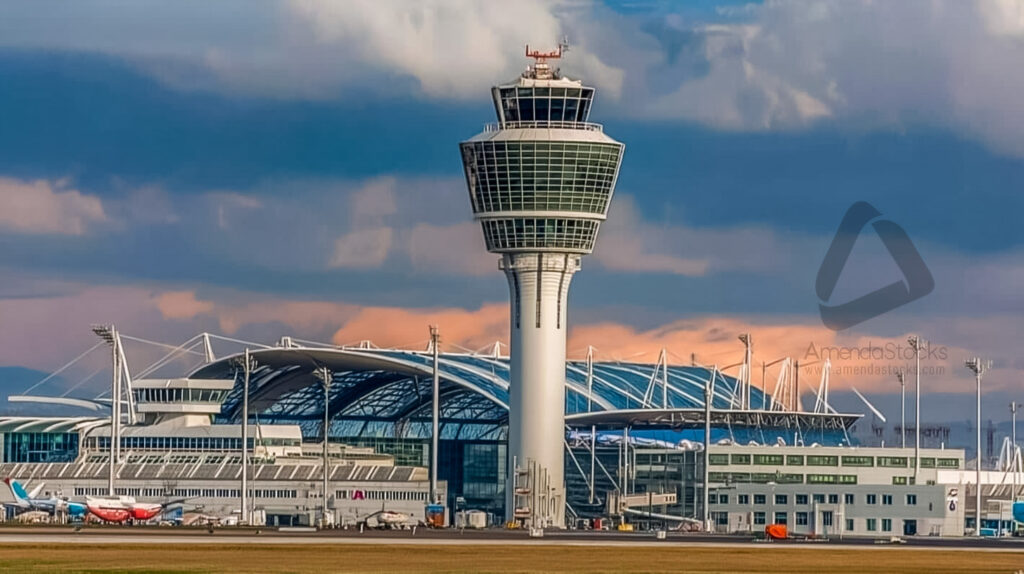
Flight operations resumed at 5:00 AM local time on Friday, October 3, when authorities determined it was safe for aircraft arrivals and departures to proceed. The first scheduled arrival was a long-haul service from Bangkok at 5:25 AM, followed by the initial departure at 5:50 AM, according to the airport’s official website.
Munich Airport, located in Bavaria and serving as a central hub for Lufthansa, accommodates approximately 20 million passengers in the first half of each year. The facility emphasizes that “the safety of travelers is the top priority” when drones are detected, following established reporting chains between air traffic control, airport authorities, and police agencies.
Part of Escalating European Drone Crisis
The Munich incident represents the latest in a series of mysterious drone activities plaguing European airports and critical infrastructure facilities throughout September and October 2025. Recent weeks have witnessed numerous reports of drone activity over airports in Denmark and Norway, affecting tens of thousands of passengers and raising serious security concerns.
Copenhagen Airport, Scandinavia’s second-busiest facility, experienced a nearly four-hour shutdown on September 22 due to multiple large drones operating within controlled airspace. Danish authorities characterized these incidents as potential hybrid operations designed to disrupt critical infrastructure, with Prime Minister Mette Frederiksen calling them “the most serious attack on Danish critical infrastructure to date”.
Other affected facilities include Aalborg Airport, which hosts both commercial and military operations, Oslo Gardermoen Airport in Norway, and various Danish military installations including Flyvestation Skrydstrup, home to Danish F-16 and F-35 fighter jets. The incidents have prompted NATO to increase its presence in the Baltic Sea region, deploying intelligence assets and air-defense capabilities.
Security Response and International Implications
In response to the escalating drone threats, Denmark has implemented a temporary nationwide ban on all civilian drone operations as it prepares to host a European Union summit in Copenhagen focused on supporting Ukraine and enhancing European security. The summit agenda includes discussions on various strategies to safeguard continental airspace, including a prominent “drone wall” initiative featuring comprehensive detection and interception systems.
European leaders have expressed support for strengthening defenses against potential Russian drone activities, though authorities have been cautious about directly attributing the incidents to any specific nation. Danish Prime Minister Mette Frederiksen has suggested that Russia poses the primary threat to European security, while Russian President Vladimir Putin has dismissed Western allegations and denied any involvement in the drone incidents.
Munich’s Heightened Security Alert
The airport closure occurred while Munich was already on heightened security alert following the temporary shutdown of its world-famous Oktoberfest beer festival due to a bomb threat and the discovery of explosives in a residential area in the northern part of the city. This confluence of security incidents has placed additional strain on local authorities and highlighted the vulnerability of major urban centers to various forms of disruption.
The Munich Airport incident underscores the growing challenge facing European aviation authorities as they work to balance operational efficiency with security concerns in an era of increasing drone accessibility and sophistication. As investigations continue into the source and intent behind these drone activities, airports across Europe are implementing enhanced counter-drone measures and coordination protocols to protect critical transportation infrastructure.