
A remarkable discovery has excited ornithologists and climate scientists. Researchers confirmed a natural hybrid offspring of a blue jay and a green jay. These are two bird species separated by millions of years of evolution. This unique bird was spotted near San Antonio, Texas. It represents a scientific marvel. The hybrid emerged due to shifting species ranges, largely driven by climate change, according to the University of Texas at Austin researchers.

The Discovery of the Blue Jay-Green Jay Hybrid
In 2023, a birdwatcher named Donna posted a photo of an unusual bird in her backyard on a Facebook birding group. Graduate student Brian Stokes from the University of Texas noticed the bird’s unique features. It had a mostly blue body like a blue jay, but with black facial markings typical of a green jay. After visiting the site twice, Stokes and colleague Timothy Keitt captured the bird. They took a blood sample, tagged it, and then released it.
Genetic analysis confirmed that this bird is a hybrid, the offspring of a green jay mother and a blue jay father. This hybridization is extraordinary because these two species historically occupied largely separate ranges and represent lineages that diverged roughly 7 million years ago. The finding was recently published in the journal Ecology and Evolution.

Climate Change as a Driving Factor
The ranges of blue jays and green jays were distinct for decades, with green jays inhabiting Central America and south Texas and blue jays being native to the eastern United States. However, since the 1950s, climate change and altered weather patterns have caused these birds to expand their geographic ranges. The green jay has moved north, while the blue jay has expanded westward, causing their ranges to overlap, especially around the San Antonio area.
Researchers posit this convergence of ranges due to warming temperatures as a key factor allowing the two species to encounter one another and interbreed—a rare example of vertebrate hybridization driven by environmental changes rather than human introduction or invasive species. This may point to an emerging trend where climate change facilitates novel species interactions with complex ecological consequences.
Appearance and Behavior of the Hybrid
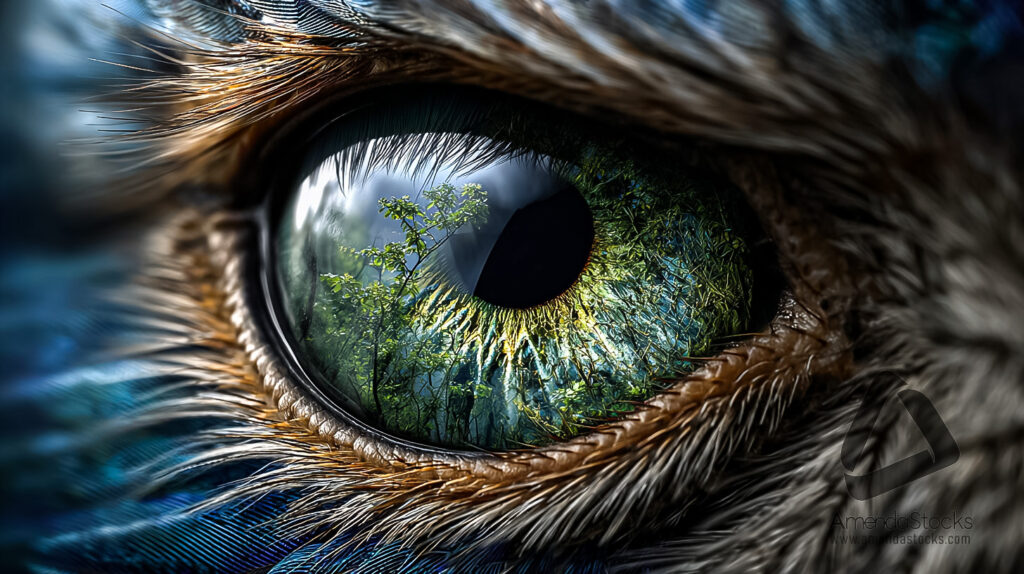
The hybrid bird exhibits a striking blend of traits inherited from both parents. It has the blue plumage typical of a blue jay but striking black facial markings akin to a green jay’s distinctive pattern. Auditory observations also reveal the hybrid produces calls characteristic of both species, further demonstrating its mixed heritage.
The researchers have playfully suggested naming the hybrid the “grue jay”—a blend of blue and green—to reflect its unique combination of colors. This bird stands as a rare living example of evolutionary convergence.
Scientific and Ecological Significance
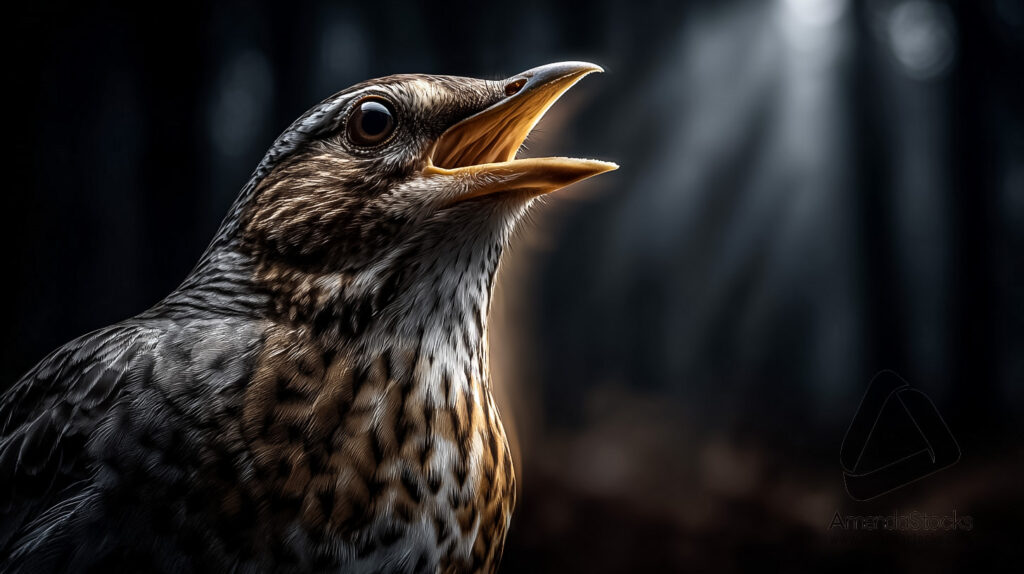
Hybridization in vertebrates is uncommon, especially between species separated by millions of years of evolution like these jays. The blue jay–green jay hybrid challenges previous notions about species barriers and highlights how rapidly changing environments can reshape ecosystems.
Ecologists warn that as climate shifts continue, more species may expand and shift ranges, creating new opportunities for hybridization. While this can sometimes introduce new adaptive variations, it can also threaten established species’ genetic integrity. Understanding these dynamics will be vital to predicting future biodiversity changes and informing conservation strategies.

How Researchers Confirmed the Hybrid
The process involved careful observation, capture, and scientific testing. After the bird was spotted and found elusive at first, the researchers successfully caught it and took a blood sample for genetic testing. Lab analysis compared the DNA to that of known blue jays and green jays, confirming the bird’s hybrid status.
Such genetic confirmation is crucial because appearances alone can be misleading. This rigorous approach adds weight to the finding as a bona fide case of natural hybridization in the wild.

Implications for Birdwatchers and Citizen Scientists
This discovery also highlights the growing role citizen scientists and birders play in advancing scientific knowledge. A backyard birding photo posted online was the catalyst leading researchers to a groundbreaking finding. The use of digital platforms like Facebook and birding apps demonstrates the power of community engagement in biodiversity monitoring.
Bird enthusiasts are encouraged to report unusual sightings, as many important discoveries now depend on such crowdsourced data.
The Blue Jay and Green Jay: Species Profiles
- Blue Jay (Cyanocitta cristata): A common songbird in eastern North America, known for its bright blue feathers and intelligent, social behavior.
- Green Jay (Cyanocorax yncas): Native to Central America and south Texas, recognized for its vivid green plumage and striking black-and-blue facial markings.
The hybrid inherits a mix of coloration and traits from both, showcasing nature’s remarkable genetic creativity.

The Broader Context of Hybrid Animals and Climate Change
Hybrid animals have historically resulted from human-induced range changes or invasive species introductions, but the blue jay-green jay hybrid appears to be driven by mutual northward range expansions stimulated by climate change. Similar phenomena have been observed in other animals, such as polar bear-grizzly bear hybrids, caused by overlap in habitats due to melting ice.
This case invites scientists to further explore how environmental pressures sculpt evolutionary pathways, sometimes resulting in novel species or hybrid zones.
This unique hybrid bird is more than a biological curiosity. It is a symbol of how ecosystems are dynamically responding to climate change, forcing scientists and conservationists to rethink species interactions and evolutionary processes. Its discovery in a Texas backyard illustrates the unexpected wonders still to be uncovered in nature and the critical importance of monitoring biodiversity in a warming world.
By blending the beautiful blue of the blue jay and the vibrant green patterns of the green jay, this grue jay represents not only a blending of genes but also a blending of past and future ecological realities. With continued climate change, such hybrids may become more frequent, challenging how we understand species boundaries and biodiversity conservation in the 21st century.
For bird lovers, ecologists, and climate watchers alike, the story of the blue jay and green jay hybrid offers both wonder and a sobering look at our changing planet. It encourages heightened awareness of the impacts of climate change on wildlife and emphasizes the importance of protecting diverse habitats to support evolving ecosystems.
Keywords for SEO Optimization
- Blue jay green jay hybrid
- Rare bird hybrid Texas
- Climate change impacts on birds
- Jay bird hybridization
- Grue jay discovery
- Blue jay green jay mating
- Hybrid birds ecology
- Evolution and climate change
- Texas hybrid bird research
- University of Texas jay study
This SEO-friendly content synthesizes the latest scientific findings about this extraordinary hybrid bird for engaging readers interested in nature, climate change, and avian biology. It also underscores the importance of citizen science and the role of environmental change in shaping new species relationships.
References: