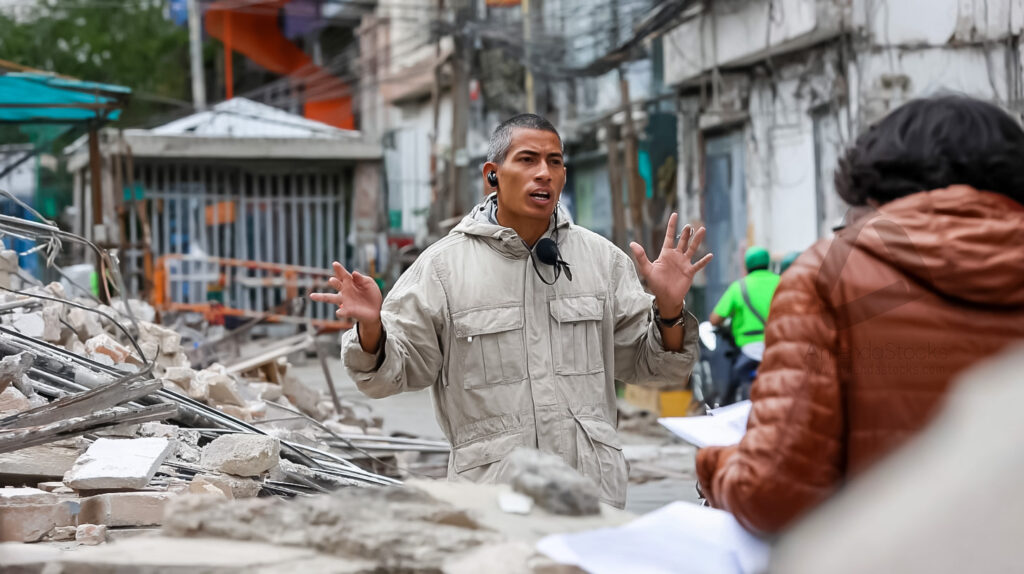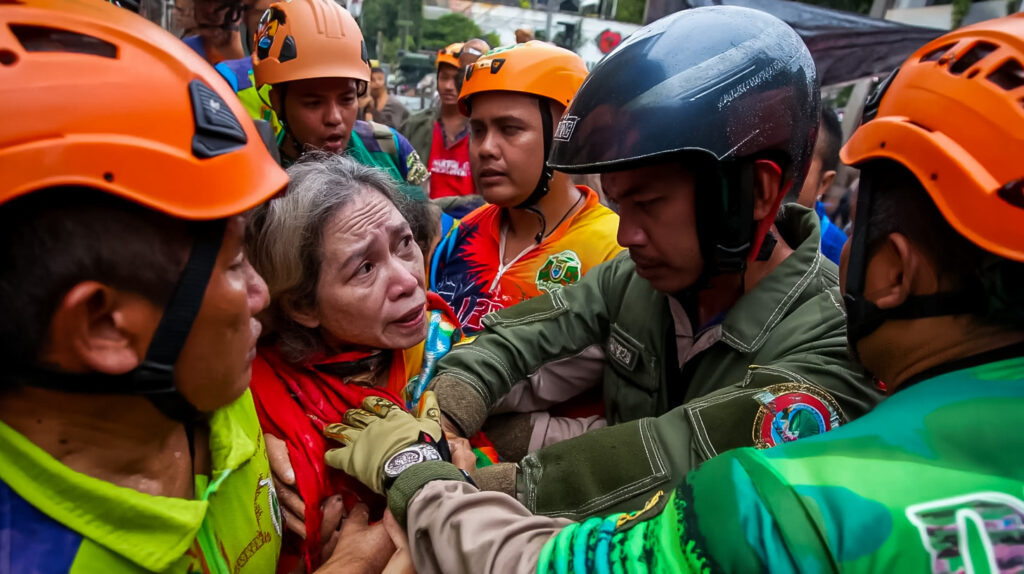
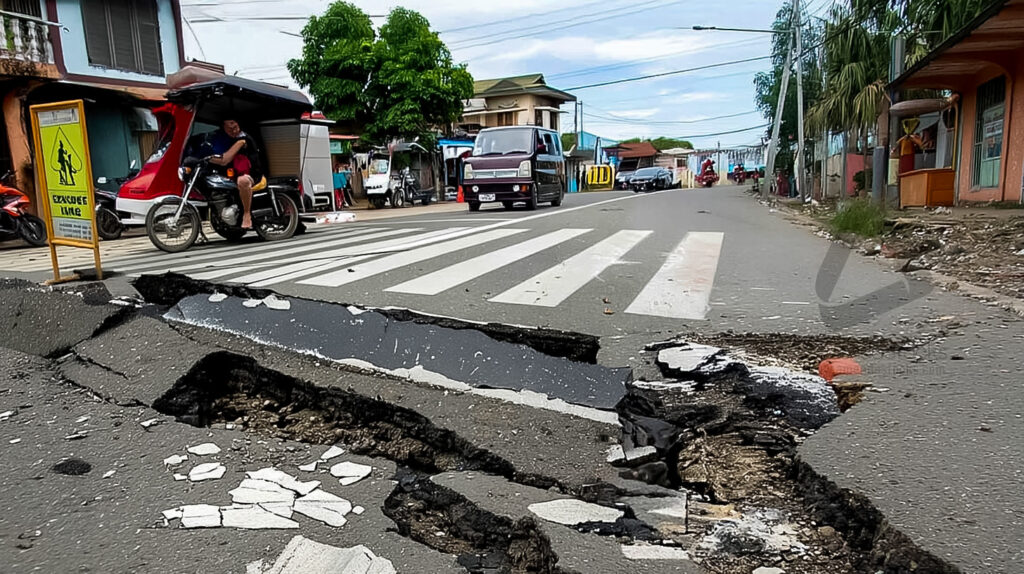
A devastating 6.9 magnitude earthquake struck central Philippines on the night of September 30, 2025. It claimed more than 60 lives and caused massive destruction in several provinces, including the heavily populated Cebu region. Hundreds were injured. Rescue and relief efforts began immediately as authorities searched for survivors and provided aid to affected communities.
Earthquake Details and Epicenter
The earthquake struck around 10 p.m. local time. Its epicenter was just west of Palompon, near the city of Bogo in Cebu. The US Geological Survey (USGS) reported the quake’s shallow depth at only 10 kilometers. This shallow depth increased the damage to buildings and infrastructure. The Philippine Institute of Volcanology and Seismology (Phivolcs) said several aftershocks followed the main tremor. These aftershocks caused more panic and made rescue efforts harder.
Immediate Impact and Destruction
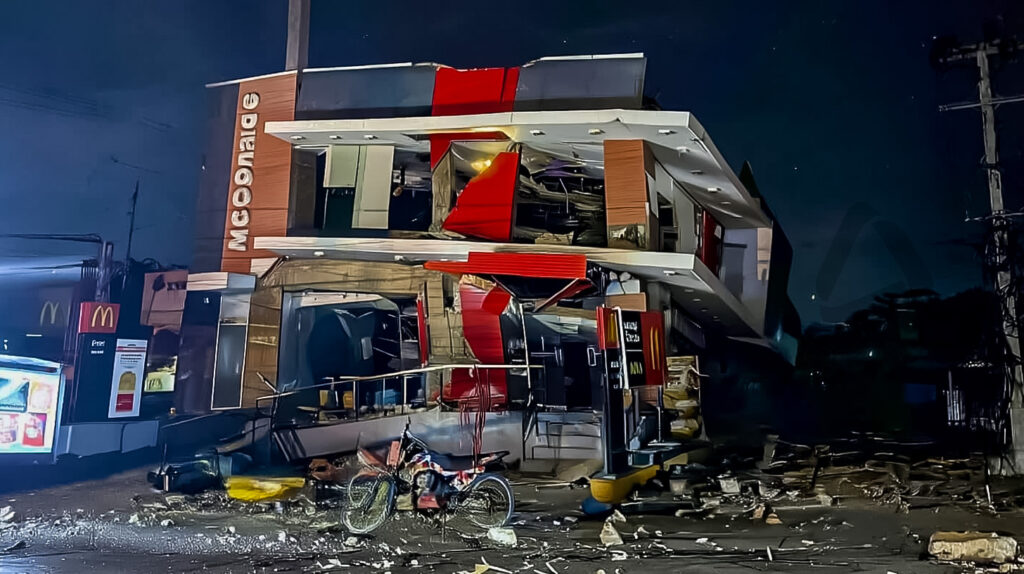
The earthquake unleashed chaos across central Philippines, particularly in Cebu province, home to over 3.2 million residents. Many buildings, including churches, schools, shopping centers, and residences, sustained significant structural damage or collapsed entirely. Social media and local news reports showed dramatic scenes—fires erupting at a mall, a McDonald’s outlet reduced to rubble, and beauty pageant contestants fleeing a collapsing stage.
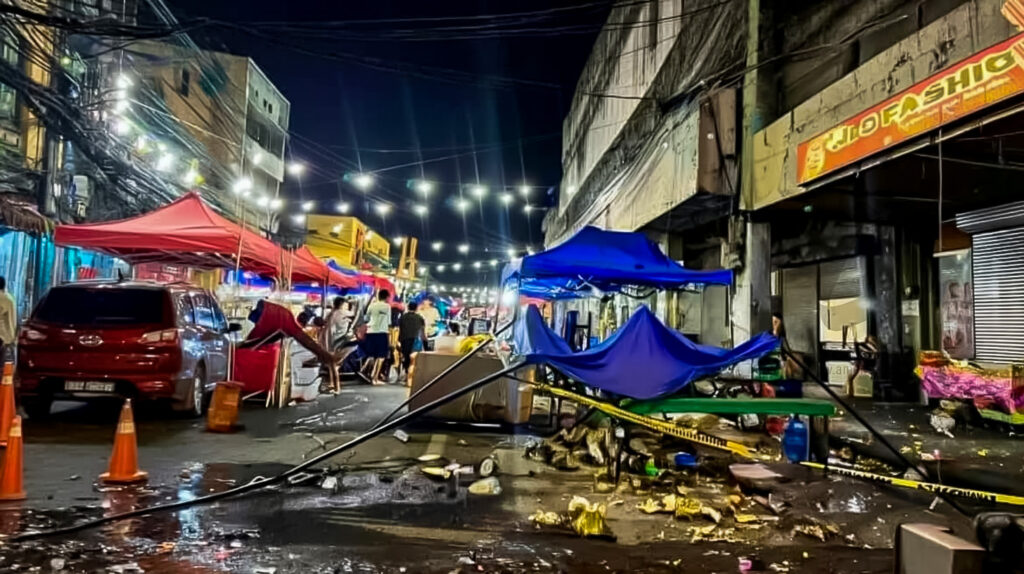
Several communities experienced power outages and communication disruptions, hampering coordination for rescue and relief operations. Motorists on Cebu’s bridges were forced to hold on to railings as the structures swayed violently during the peak of the tremor.
Human Cost: Death Toll and Injuries
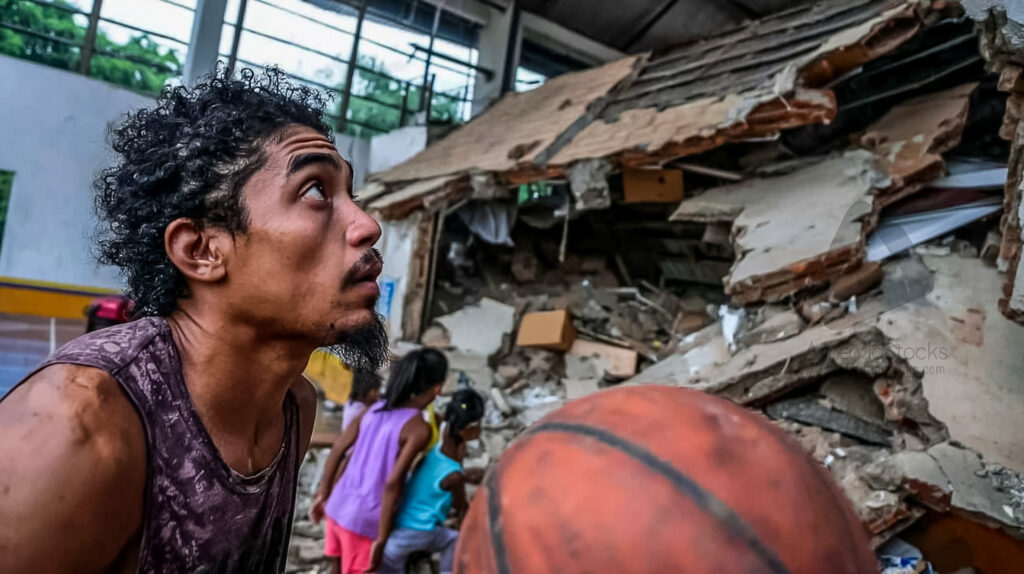
As of October 1, 2025, official reports placed the death toll at 69, with nearly 150 people confirmed injured. The hardest-hit areas include the city of Bogo and the town of San Remigio in northern Cebu. Tragically, among the confirmed deaths were members of the local firefighting unit and the Philippine Coast Guard, who lost their lives when a sports complex collapsed during a basketball game. Children have also been reported among the victims.
Relief workers and civilian volunteers have been racing against time to rescue those trapped under debris and collapsed structures, using heavy machinery and search dogs to carry out door-to-door search operations. The government has declared a state of calamity in several parts of Cebu, a measure aimed at releasing emergency funds and streamlining the disaster response effort.
Rescue Operations and Government Response
In the crucial hours following the earthquake, military units, police, and local disaster response organizations mobilized rapidly. Bernardo Rafaelito Alejandro IV, deputy administrator of the Office of Civil Defense, emphasized the urgency of the ongoing rescue, stating that “we are still within the critical hours of our search and rescue efforts” and confirming continued reports of people trapped or injured by debris.
Relief efforts have included the distribution of drinking water, food supplies, and medical assistance to the victims. Civil defense officials and humanitarian organizations like the Philippine Red Cross have set up temporary shelters for displaced populations and coordinated treatment for those with injuries. Efforts are also being made to restore communication networks and clear blocked roads for emergency vehicles.
Community Stories and Social Media
Social media platforms were flooded with firsthand accounts and videos capturing the moment of the quake. Clips shared from Cebu province showed flaming debris at a shopping center, the dramatic collapse of a popular restaurant, and terrified residents scrambling for safety. One viral incident depicted a beauty pageant event thrown into chaos as contestants and attendees fled from the collapsing venue.
Churches in the province, many of which date back centuries, reportedly suffered partial collapses, and schools had to be evacuated, disrupting local communities and educational activities. Residents described the earthquake as a “sleeper,” taking many by surprise as they settled in for the night.
Aftershocks and Ongoing Risk
Several aftershocks followed the main quake, and some measured 5.0 or higher. These tremors heightened fears that already-damaged buildings might collapse. The Philippine Institute of Volcanology and Seismology initially issued a tsunami warning for Leyte, Biliran, and Cebu provinces. Authorities lifted the alert after several hours when they observed no significant sea changes
Lessons Learned and Preparedness
This latest tragedy has reignited conversations around structural safety and earthquake preparedness in the Philippines, a country located on the Pacific Ring of Fire and frequently exposed to seismic activity. Experts have stressed the need for updating building codes, strengthening disaster response mechanisms, and increasing public awareness about earthquake safety procedures.